
Last updated October 17, 2026
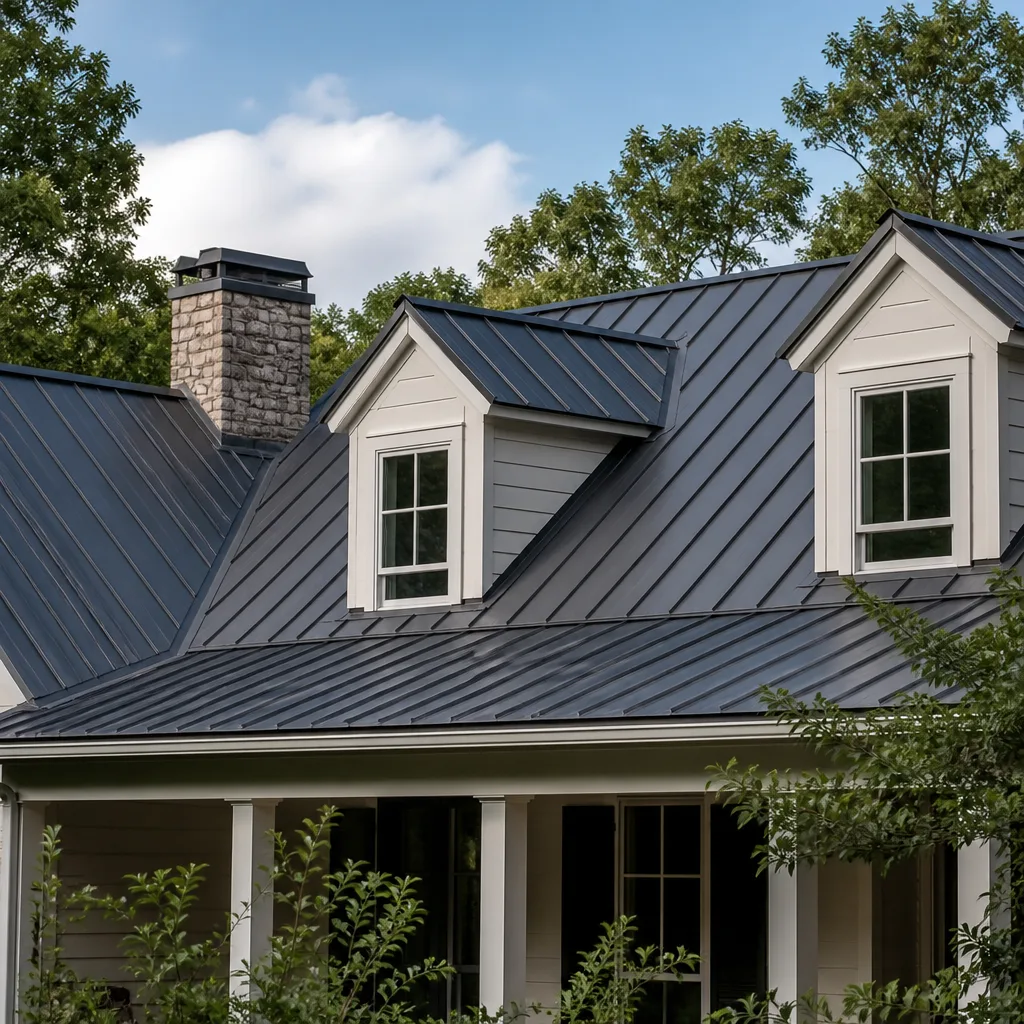 Metal roofing
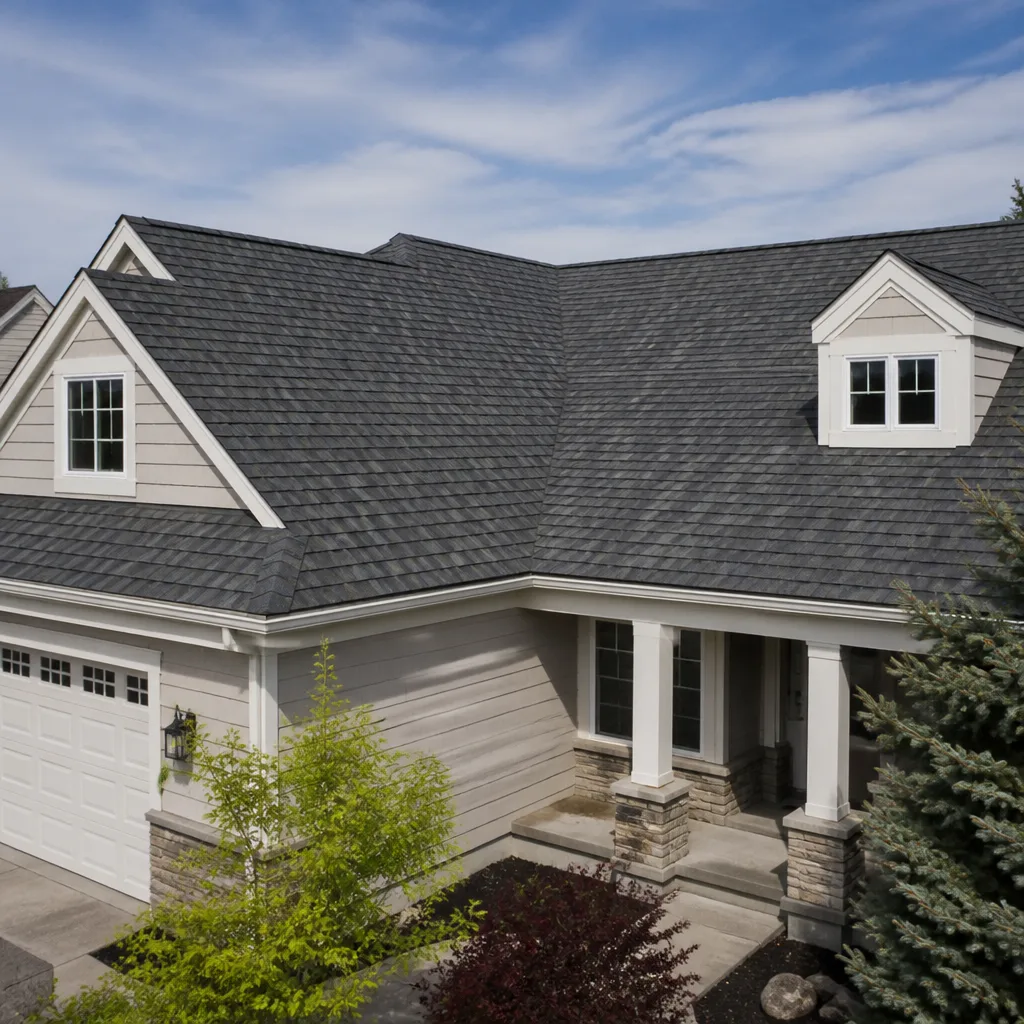 Architectural shingles
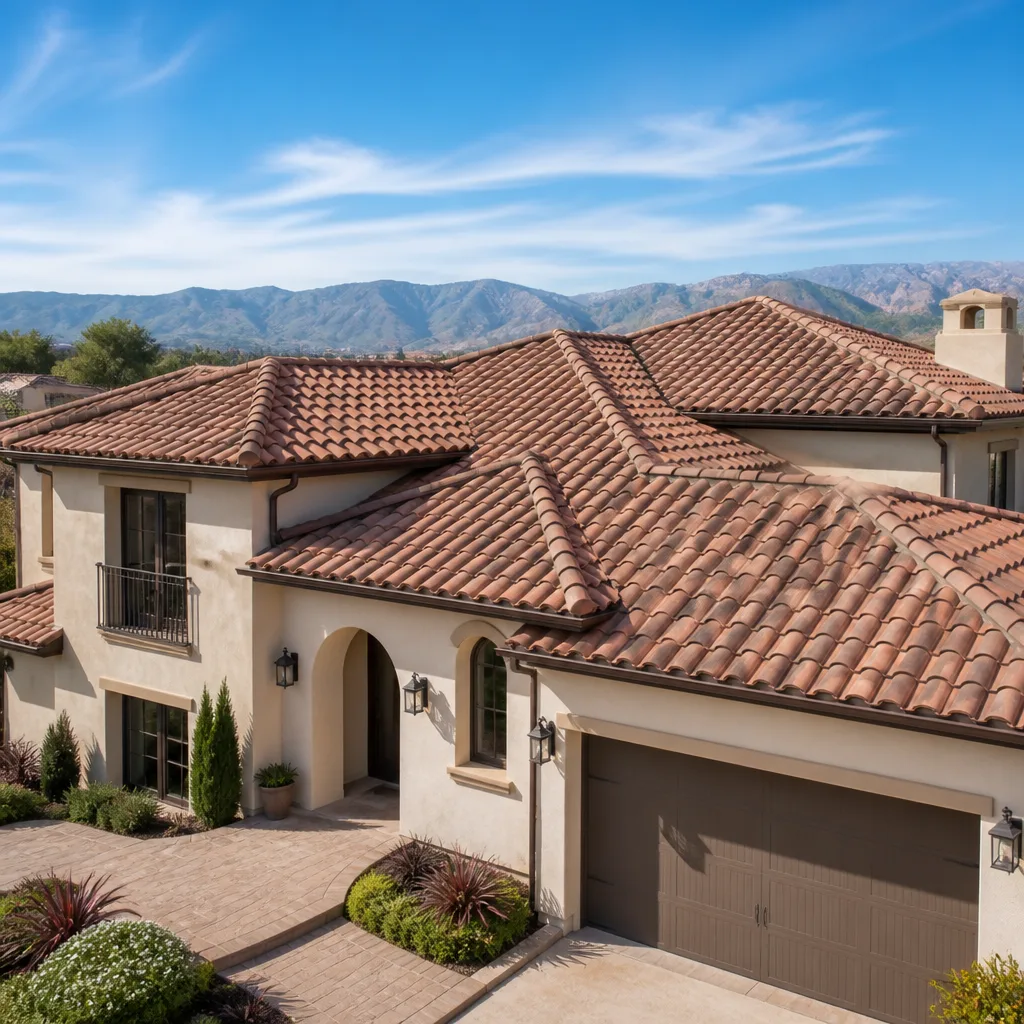 Tile roofing
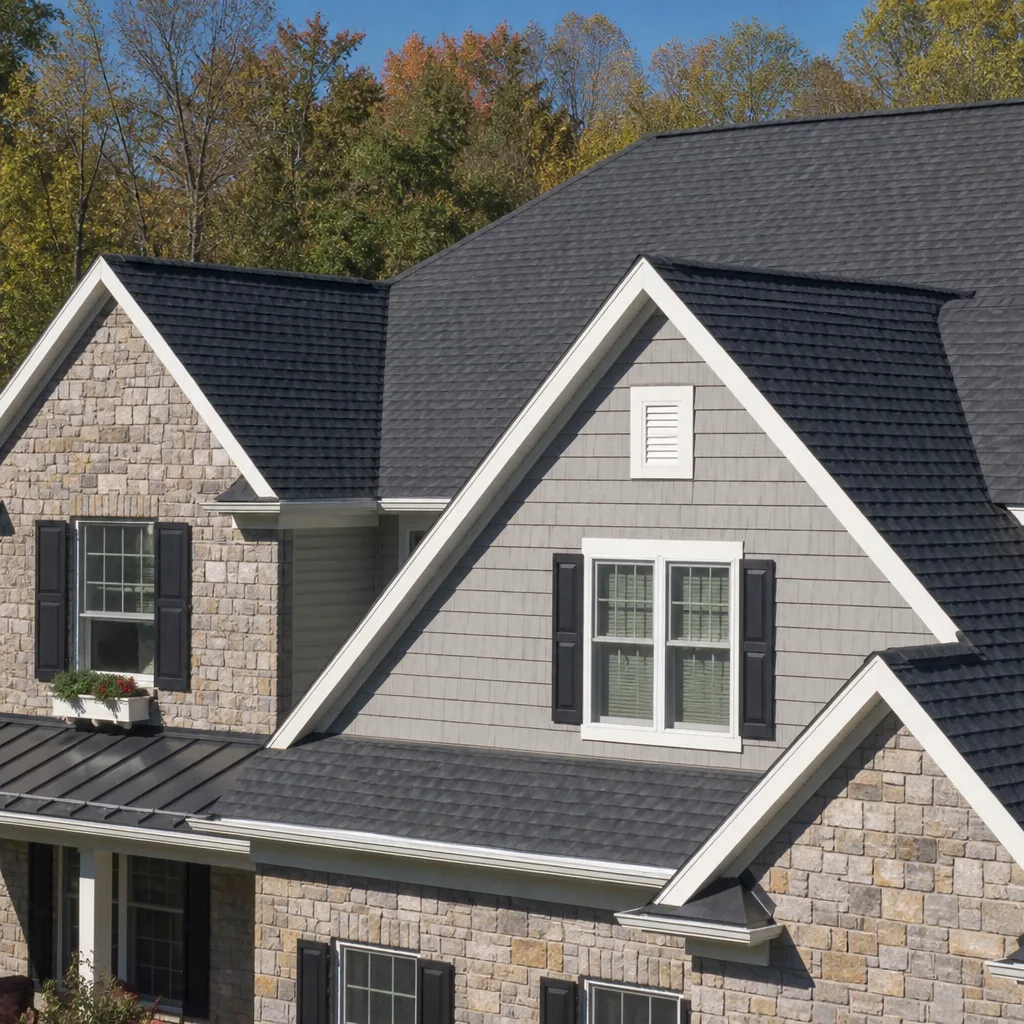 GAF
GAF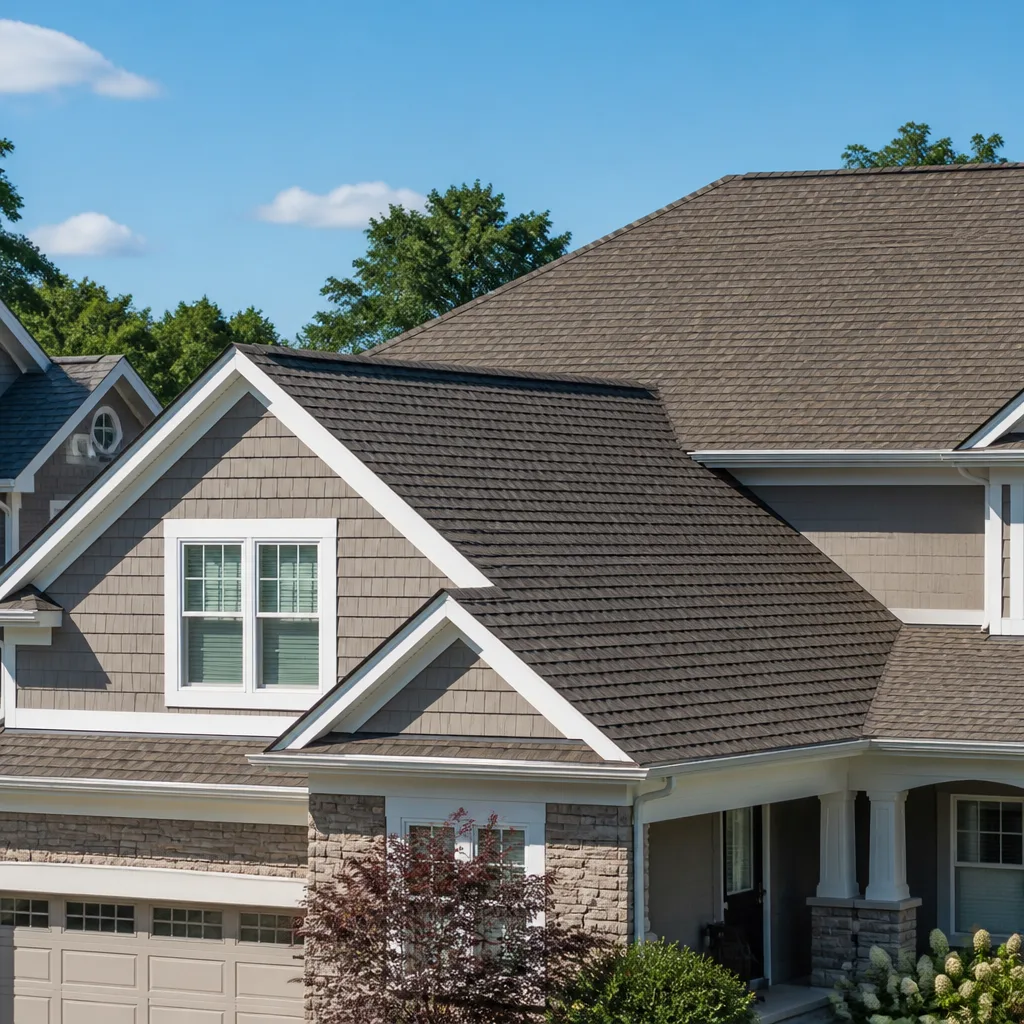 Owens Corning
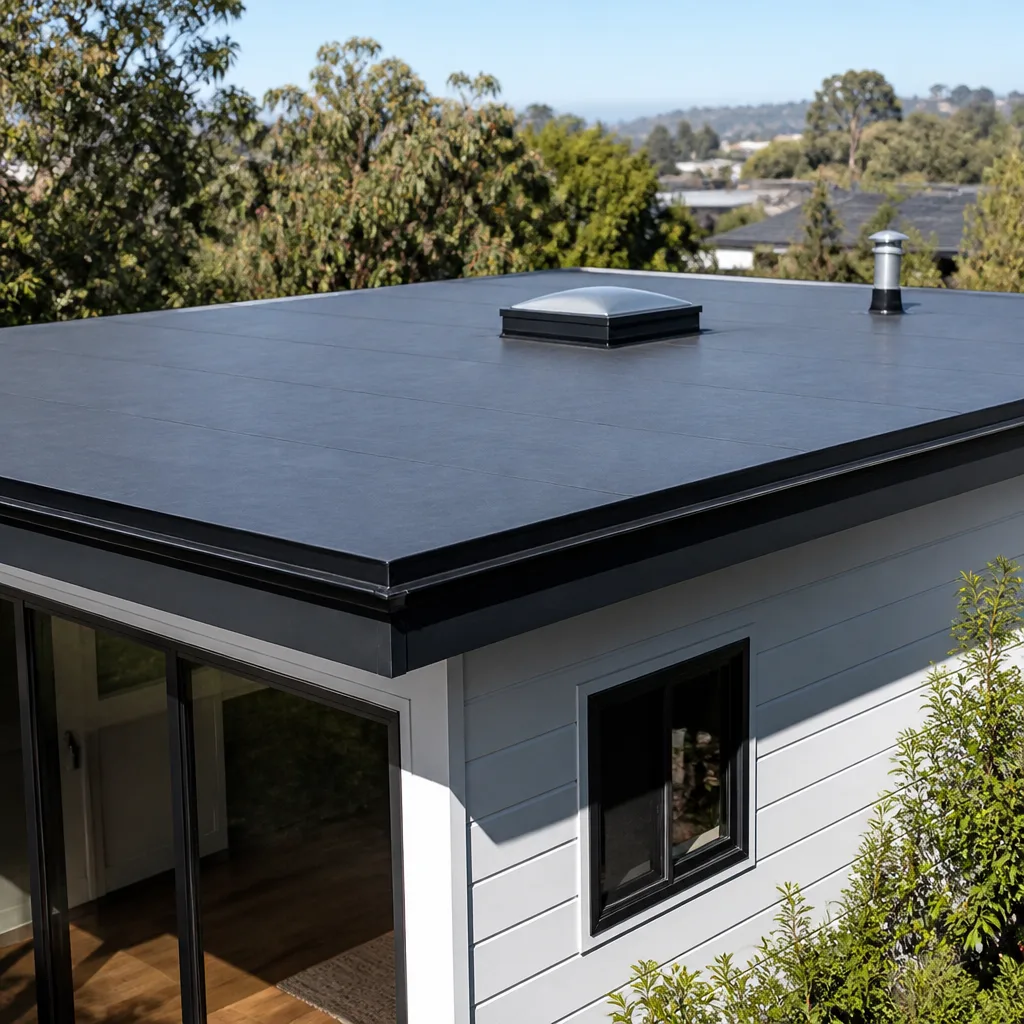 Flat & low-slope
Free roof inspection with deck photos before we talk money - GAF and Owens Corning certified installation
Roofing Cost Breakdown: The Fort Lauderdale Homeowner’s Reference for 2026
Here’s a number that should stop you cold: a Fort Lauderdale homeowner who accepts the lowest of three roofing bids has a 1-in-3 chance of unknowingly buying a roof that uses non-HVHZ fastening, which looks identical on install day but can void both the manufacturer warranty and an insurance claim after a storm. The bids look similar because most contractors present them as a single bottom-line number, and the differences stay buried. This guide breaks down what actually drives roofing costs in Fort Lauderdale in 2026, line by line, so you can read any quote with confidence, and for more guides & resources on protecting your home, see our blog. You’ll learn real price ranges by roof type and square footage, why the fastening pattern matters more than the shingle brand, what the permit line should say, and how to compare five quotes without getting lost in the fine print.
Quick Answer
A full roof replacement in Fort Lauderdale in 2026 typically runs $8,500 to $22,000 for an asphalt shingle roof on a 1,500 to 2,500 square foot home, $18,000 to $40,000 for a standing seam metal roof, and $10,000 to $18,000 for a flat modified bitumen roof. Repairs cost $350 to $1,400 for common issues like flashing leaks or missing shingles. The biggest variables are material type, square footage, HVHZ-compliant fastening, and whether the contractor includes permit fees in the quote.
Styles & brands we work with
Table of Contents
- 2026 Price Ranges by Roof Type and Square Footage
- Why HVHZ Fastening Separates a Real Fort Lauderdale Roof From a Liability
- The Permit and Inspection Line Item Most Quotes Bury
- What Broward County Labor Actually Costs in 2026
- How the Post-2023 Citizens Insurance Market Changed Roofing Demand
- The Five Line Items Every Fort Lauderdale Roofing Quote Should List
- Material Costs: Asphalt, Metal, and Modified Bitumen, Explained
2026 Price Ranges by Roof Type and Square Footage
Roofing prices in Fort Lauderdale are quoted per “square,” which is roofing shorthand for 100 square feet of roof surface. A 2,000 square foot home generally has about 2,000 to 2,400 square feet of roof, depending on pitch and overhangs. The numbers below include materials, labor, fastening, underlayment, flashing, and haul-away for a standard tear-off and replacement. They do not include the permit line, which we cover separately.
Asphalt Shingle Roofs: $5.50 to $8.75 per square foot installed
- 1,500 sq ft home (approx. 1,800 sq ft roof): $9,900 to $15,750
- 2,000 sq ft home (approx. 2,400 sq ft roof): $13,200 to $21,000
- 2,500 sq ft home (approx. 3,000 sq ft roof): $16,500 to $26,250
The spread within this range reflects architectural shingles versus three-tab, the specific brand (Owens Corning, IKO, and Atlas all have Fort Lauderdale distribution, and their architectural lines price differently), and whether the contractor installs a secondary water barrier, which is common on Fort Lauderdale homes built before the 2002 Florida Building Code. Homes in neighborhoods like Victoria Park, Sailboat Bend, and Coral Ridge often have older decking that needs spot replacement, and that adds $75 to $125 per 4×8 sheet.
Standing Seam Metal Roofs: $12 to $20 per square foot installed
- 1,800 sq ft roof: $21,600 to $36,000
- 2,400 sq ft roof: $28,800 to $48,000
- 3,000 sq ft roof: $36,000 to $60,000
Metal roofing in Fort Lauderdale is governed by Miami-Dade HVHZ requirements even though Fort Lauderdale is in Broward, because most metal panel manufacturers test to the stricter standard for South Florida distribution. That testing shows up in the price. The metal itself is not the biggest cost driver. The hidden costs are the custom trim work around hips, valleys, and eaves, plus the underlayment system, which for metal must be a high-temperature peel-and-stick product that runs $1.50 to $2.25 per square foot on its own.
Flat Modified Bitumen Roofs: $6.50 to $10 per square foot installed
- 1,000 sq ft flat roof: $6,500 to $10,000
- 1,500 sq ft flat roof: $9,750 to $15,000
- 2,000 sq ft flat roof: $13,000 to $20,000
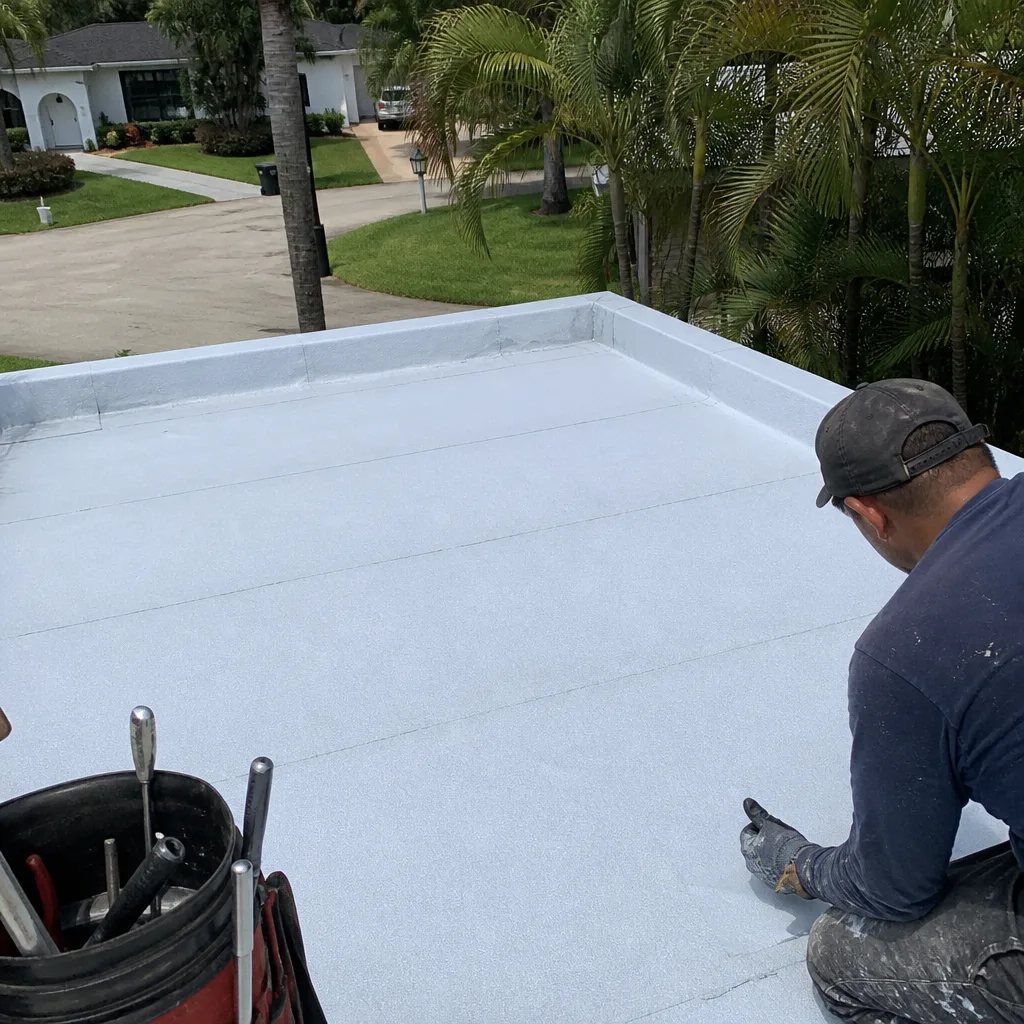
Flat and low-slope roofs are common on mid-century Fort Lauderdale homes, particularly in areas like Middle River Terrace, Poinsettia Heights, and the neighborhoods west of US-1 that were built in the 1940s and 1950s. Modified bitumen is a torch-down or peel-and-stick asphalt membrane. The drainage improvements like added scuppers or a slight taper system add $800 to $1,500 to the total, but skipping them means ponding water, and ponding water on a Fort Lauderdale flat roof means a shorter roof life, full stop.
These ranges are current for the first half of 2026. Material lead times have stabilized since the 2023 – 2024 supply disruptions, but labor remains the tightest variable in Broward County. When you call a Fort Lauderdale roofer for an installation estimate, ask for the line-item breakdown, not just the final number. If they won’t provide it, that’s information.
Why HVHZ Fastening Separates a Real Fort Lauderdale Roof From a Liability
Fort Lauderdale sits inside the High Velocity Hurricane Zone, the building code region that runs from the Broward coast south through Miami-Dade. The HVHZ code requires asphalt shingles to be fastened with 6 nails per shingle, not the 4 nails used in the rest of Florida and most of the country. The nails must also be ring-shank, not smooth, and the shingles must be rated for 130 mph uplift unless the roof design specifies otherwise. This is not a preference. It is a code requirement with insurance consequences.
A 4-nail roof and a 6-nail roof look the same from the street. They use the same shingle. On install day, you cannot tell the difference without watching the crew. But the 6-nail pattern costs the contractor more: two additional ring-shank nails per shingle across a 2,400 square foot roof means roughly 20,000 extra fasteners, plus the labor time to place them. That adds $400 to $900 to a standard reroof. It also changes how the roof performs. In a storm with 120 mph gusts, a 4-nail shingle can peel off the decking. A 6-nail shingle with the proper nailing pattern will usually stay put. If a 4-nail roof fails and the insurance adjuster checks the fastening pattern against the permit documents, the claim can be denied for non-compliant installation. The manufacturer warranty is void for the same reason.
This is the single biggest reason Fort Lauderdale roofing quotes differ by thousands of dollars for what looks like the same scope. One contractor is pricing code-compliant work. Another is pricing an out-of-county practice and hoping nobody looks. In our experience, quotes that undercut the market in Fort Lauderdale by more than 20% are almost always substituting something, and the fastening pattern is the most common substitution because it is invisible after the fact. When you compare estimates, ask each contractor to put the words “HVHZ 6-nail pattern” or “HVHZ-compliant fastening” in the written quote. If they hesitate, call someone else.
The Permit and Inspection Line Item Most Quotes Bury
A legitimate Fort Lauderdale roof replacement requires a building permit. The cost varies by municipality and scope, but in Broward County you should expect a permit and inspection line of $350 to $900 on a full reroof. Some municipalities, including the City of Fort Lauderdale, calculate the permit fee based on the project valuation, so a larger or higher-end roof pushes toward the top of that range. A repair that does not involve structural work or a full tear-off may not require a permit, but the contractor should still tell you whether one is needed and why.
Here is what that line item actually covers: the permit application, the plan review, and the inspections. Fort Lauderdale requires a mid-roof inspection of the underlayment and fastening before the shingles go on, plus a final inspection after the job is complete. If a contractor skips the permit, the mid-roof inspection never happens, and there is no independent record that the fastening was done correctly. This matters for two reasons. First, homeowners insurance in Florida increasingly requires proof that the roof was permitted and inspected to code before paying storm damage claims. Second, when you sell the home, the buyer’s inspector will ask for the roof permit. An unpermitted roof can delay a closing or force a price adjustment.
Some Fort Lauderdale contractors quote a price that excludes the permit, then add it as an “unexpected cost” after you sign. Others bury the permit in a vague “administrative fees” line and mark it up. A clean quote will list the permit as its own line item, with the actual fee shown at the city’s rate and the contractor’s time for pulling and managing the permit shown separately or bundled into project management. When you work with a Fort Lauderdale roofing company that writes permits as a separate line, you can verify the amount against the city’s published fee schedule before you sign anything.
What Broward County Labor Actually Costs in 2026
Labor is the largest single cost in any Fort Lauderdale roof replacement, usually 55% to 65% of the total job. Broward County roofing labor rates in 2026 run $68 to $95 per hour per crew member, which is up about 18% from 2021 levels. A full tear-off and reroof on a 2,000 square foot home takes a 5-person crew three to five working days, weather permitting. That is 120 to 200 crew hours, which puts labor alone at $8,160 to $19,000 before benefits, workers’ compensation, and the contractor’s overhead.
South Florida labor is expensive for reasons specific to this market. The same storm seasons that make Fort Lauderdale roofing in demand also pull crews away to emergency storm work, which creates wage competition and makes seasonal roofing care even more important for homeowners. The heat is a factor too: crews in Fort Lauderdale work shorter effective days in summer, with hydration breaks and a hard stop on roof work during the hottest hours, which stretches job timelines and increases the hourly cost per completed square. And because Broward has a smaller pool of experienced HVHZ-qualified installers than the demand requires, experienced crews command premium wages. A crew that does not know how to properly flash a Fort Lauderdale roof-to-wall transition or install a compliant underlayment is less expensive, and you will pay for that savings later.
We advise homeowners to look at labor costs as a quality signal, not a place to save. A quote with labor at $45 an hour for a tear-off in Fort Lauderdale means the contractor is either paying under the table, using uninsured labor, or planning to take shortcuts on the roof itself. None of those end well. The right question to ask is not “can you do it cheaper” but “how many HVHZ-compliant roofs has your crew installed in Broward County in the last 12 months.” A contractor who can answer that with specifics is charging what the work costs.
How the Post-2023 Citizens Insurance Market Changed Roofing Demand
Since 2023, Citizens Property Insurance has tightened its underwriting rules for Florida homes, and the effect on Fort Lauderdale roofing demand has been direct. Homeowners with roofs older than 15 years are increasingly being required to replace them before a policy will be issued or renewed, and the deadline pressure has moved many roof replacements from “planned project” to “insurance requirement.” That shift changed the market in three ways that still shape 2026 pricing.
First, demand is steadier year-round. Before 2023, roofing slowed in the fall and winter. Now, insurance-driven replacements happen every month, because policy renewals happen every month. Contractors no longer discount for “off-season” work in Fort Lauderdale the way they once did, because there is no real off-season.
Second, the manufacturers adjusted. Owens Corning, IKO, Atlas, and Tamko all run South Florida production and distribution lines, and their lead times for architectural shingles have settled at three to six weeks for standard colors. Custom or specialty colors can add four to eight weeks. These lead times are stable but not shrinking, which means a realistic project timeline in 2026 is: one to two weeks for estimate and contract, one week for permit, three to six weeks for material delivery, and three to five days on the roof. Homeowners who assume the roof goes on the week after they sign will be frustrated. A contractor who promises a start in three days on a full reroof is either sitting on inventory or cutting corners.
Third, insurance requirements have made the documentation as important as the roof. Homeowners now need a permit record, a final inspection pass, and often a completed wind mitigation report. These documents are what trigger insurance discounts and what protect a future claim. A contractor who does not pull permits is not saving you money. They are building a roof that may cost you far more at your next policy renewal. This is also why roof repair in Fort Lauderdale is now handled with the same documentation standard as full replacements: the insurance company wants proof the repair was done to code, and so should you.
The Five Line Items Every Fort Lauderdale Roofing Quote Should List
A quote that shows only a total price tells you almost nothing. The contractors who win on price in Fort Lauderdale often do so by leaving detail off the page. Here are the five line items every legitimate Fort Lauderdale roofing quote should list separately, and what each one should tell you.
- Tear-off and disposal. This should include removing the existing roof down to the decking, hauling away the debris, and protecting the property with tarps and magnetic nail sweepers. $1,500 to $3,000 depending on roof size and accessibility. If the quote proposes reroofing over the existing shingles, that is a red flag in Fort Lauderdale: it hides decking damage and adds weight the HVHZ uplift calculations do not account for.
- Decking repair or replacement. The contractor cannot know the full condition of the decking until the old roof is off, so this line should be written as “up to X sheets at $85 to $125 per sheet” rather than a fixed guess. A clean quote sets the per-sheet price in advance and confirms in writing that you will be told if additional sheets are needed before they are installed. This is what “no surprises” actually means in a Fort Lauderdale reroof.
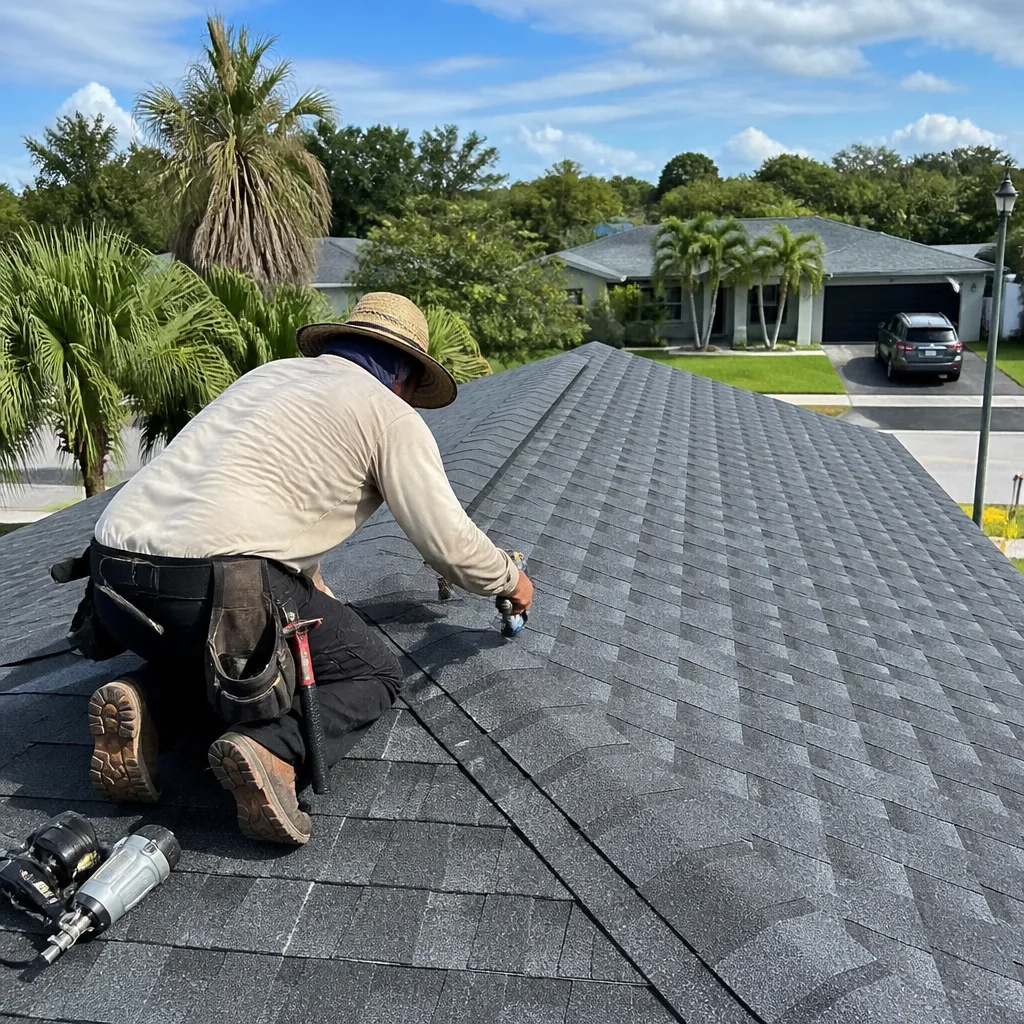
- Underlayment and fastening system. This line should name the specific underlayment product (peel-and-stick or synthetic, with the brand), and it should state the fastening pattern in writing: “HVHZ 6-nail ring-shank pattern” for shingles. This is the line that separates a compliant Fort Lauderdale roof from a liability, and it should account for $2,000 to $4,000 of the total quote. If the line is vague, the roof will be vague.
- Flashing, drip edge, and ventilation. Flashing is the metal that seals roof penetrations like chimneys, skylights, and vent pipes. Drip edge runs along the eaves to direct water into the gutter. Ventilation includes ridge vents or box vents that let the attic breathe. These are not accessories; they are the difference between a roof that lasts 20 years in Fort Lauderdale humidity and one that rots from the inside in 12. This line should total $1,200 to $2,500.
- Permit and inspections. As covered above, $350 to $900 for a full reroof, listed at cost or cost plus a stated management fee. If the permit is not listed, ask where it is. If the contractor says “it’s included” but the number is not broken out, ask for the breakdown. The permit is your independent record that the roof was built to the code Fort Lauderdale has required since the current HVHZ standard took effect.
These five lines, when itemized, let you compare quotes as apples to apples. A quote that comes in $5,000 lower often turns out to be missing $5,000 worth of decking, underlayment, or fastening that the other quotes listed explicitly. This is not a shortcut. It is a transfer of risk from the contractor to you.
Material Costs: Asphalt, Metal, and Modified Bitumen, Explained
The shingle, panel, or membrane itself is the most visible material cost, but it is rarely the largest on a Fort Lauderdale roof. Understanding how the material interacts with South Florida climate will help you choose wisely.
Asphalt Shingles in a Fort Lauderdale Climate
Architectural asphalt shingles remain the most common Fort Lauderdale roof because they balance cost, weight, and proven storm performance when installed to HVHZ standards, though homeowners should also watch for roofing warning signs before a failure occurs. In our market, we work most often with Owens Corning, IKO, Atlas, and Tamko architectural lines. The material cost for a quality architectural shingle runs $110 to $160 per square. A three-tab shingle is cheaper at $70 to $95 per square, but three-tab shingles underperform in uplift testing compared to architectural versions, and most Fort Lauderdale roofing professionals recommend against them for anything but sheds and outbuildings. One thing South Florida homeowners should know: algae-resistant shingles with copper granules are worth the small premium here, because Fort Lauderdale’s humidity grows the black streaking algae faster than almost anywhere in the state.
Standing Seam Metal in South Florida Salt Air
Standing seam metal roofs handle South Florida storms well when the panel system is engineered for HVHZ uplift, but the salt air near Fort Lauderdale’s barrier island is hard on metal. Aluminum panels or PVDF-coated steel resist corrosion far better than standard galvalume when you are within a mile of the ocean. The material premium for coastal-grade metal is $1.50 to $3 per square foot, and it is not optional on homes east of US-1. Homeowners in neighborhoods like Las Olas Isles, Harbor Beach, and Rio Vista should budget for the coastal-rated product even though the initial quote will be higher than a mainland home of the same size.
Modified Bitumen on Flat Fort Lauderdale Roofs
Modified bitumen remains the standard for Fort Lauderdale flat and low-slope roofs because it handles standing water better than TPO or EPDM in our climate and is easier to repair after a storm. The material comes in two installation methods: torch-down and peel-and-stick. Torch-down is being phased out across Broward due to the fire risk of open flame on occupied homes, and most Fort Lauderdale contractors now prefer self-adhered modified bitumen systems. The material cost runs $90 to $140 per square. The bigger cost driver is surface coating: a reflective aluminum or white coating adds $0.75 to $1.25 per square foot and extends the life of the membrane substantially under South Florida UV. Skip the coating and the roof will crack years earlier than it should.
You can learn more about any of these systems from Mercer Roofing Co Fort Lauderdale home or by talking through your options during a free estimate. The right material for your Fort Lauderdale home depends on your roof pitch, your distance from salt water, your insurance requirements, and your budget, in roughly that order.
Common Mistakes to Avoid
- Comparing quotes by total price alone. Fort Lauderdale quotes differ by $4,000 to $12,000 for identical scopes because contractors are pricing different materials, fastening patterns, and permit handling. You must compare the line items, not the bottom line. A quote missing the permit or the fastening pattern is not cheaper; it is less complete.
- Assuming the lowest bid is the honest one. The lowest bid in a three-quote comparison in Fort Lauderdale has a meaningful chance of being non-compliant work. When the price is 20% or more below the other bids, the contractor is almost certainly substituting something: 4-nail fastening, no secondary water barrier, uninsured labor, or an unpermitted job. Confirm what you are actually buying before you celebrate the savings.
- Skipping the permit to save a few hundred dollars. The permit is the only independent record that your roof was installed to the HVHZ code Fort Lauderdale requires. Without it, an insurance claim after a storm can be denied, and a home sale can stall in inspection. The $350 to $900 a permit costs is a fraction of what an unpermitted roof can cost you.
- Choosing a contractor without asking about the crew. A roofing contractor in Fort Lauderdale could be anyone from a licensed local company to an out-of-town crew chasing storm work. Ask who will be on the roof, whether they are employees or subcontractors, and whether they are verified, background-checked, and experienced with HVHZ installation. The person answering the phone is not the person on your roof.
- Accepting a verbal quote. A verbal price is not a price. It is a starting point for a negotiation you did not agree to. Every legitimate Fort Lauderdale roofing quote should be written, itemized, and signed before any work begins. If the contractor will not put the fastening pattern, the permit, and the per-sheet decking price in writing, walk away.
- Ignoring decking condition until it’s too late. Fort Lauderdale’s humidity and termite pressure mean decking is often worse than it looks from above. A quote that assumes zero decking replacement is optimistic, not honest. Insist on a written per-sheet price for any decking that gets replaced, and the contract should state you will be notified before additional sheets go in.
- Rushing the timeline. Material lead times in Fort Lauderdale are three to six weeks for standard asphalt shingles in 2026. A contractor who promises a full reroof in under a week is either sitting on inventory or not actually scheduling your job. Plan for six to ten weeks from estimate to final inspection, and you will not be disappointed.
See the difference
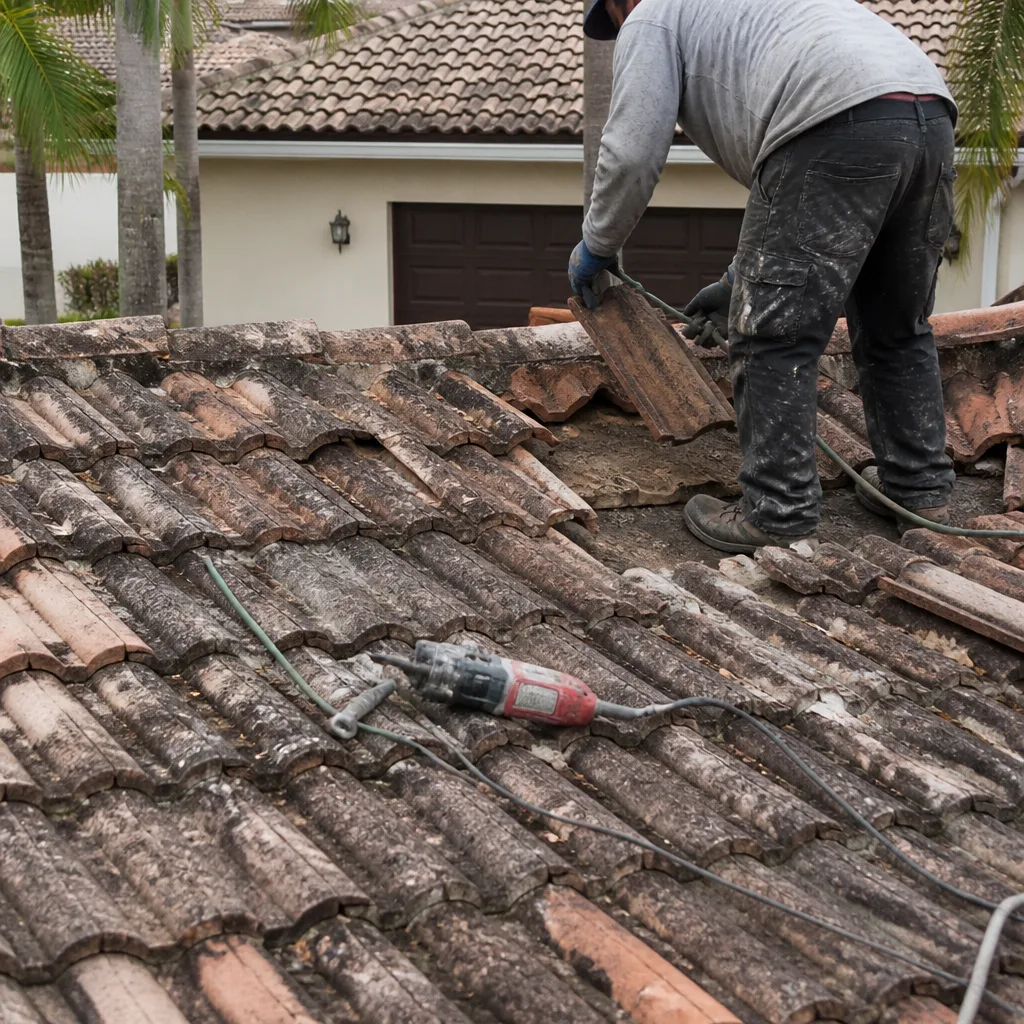 Before
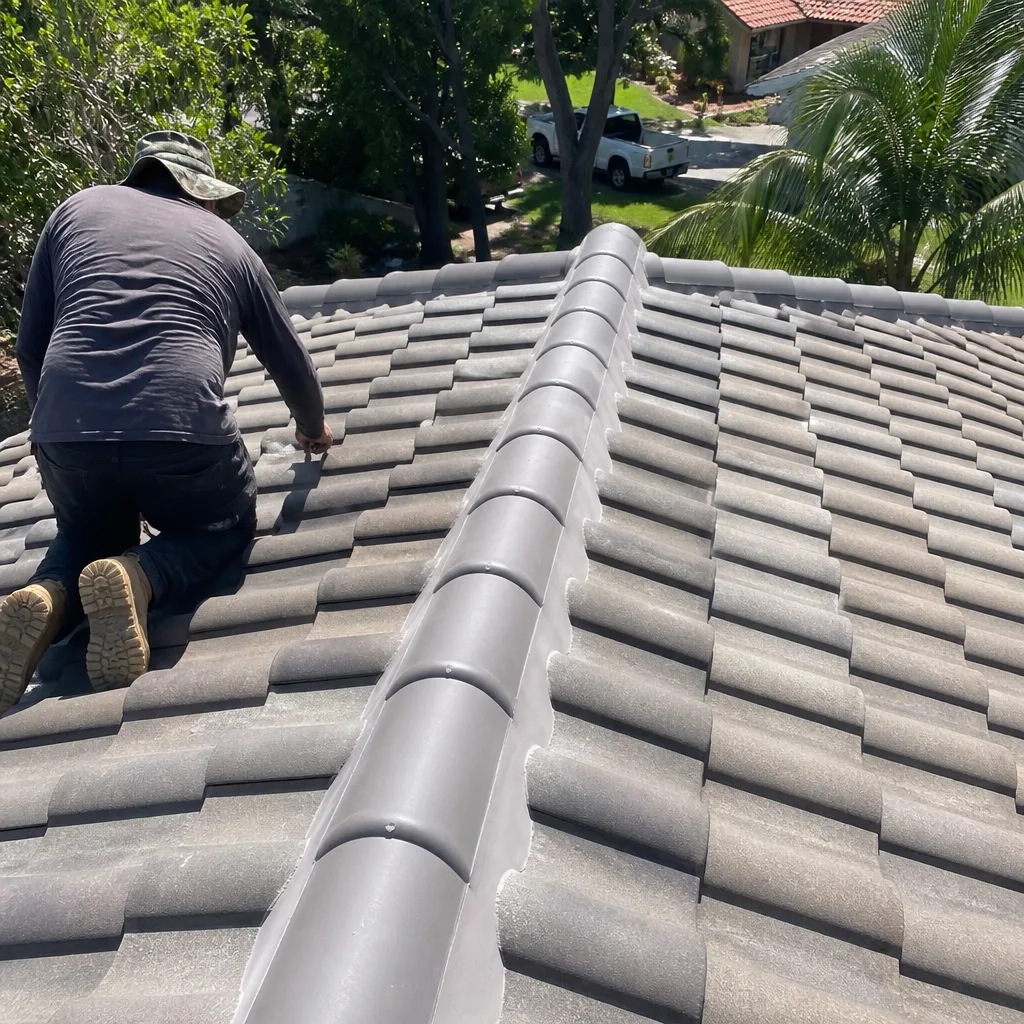 After
After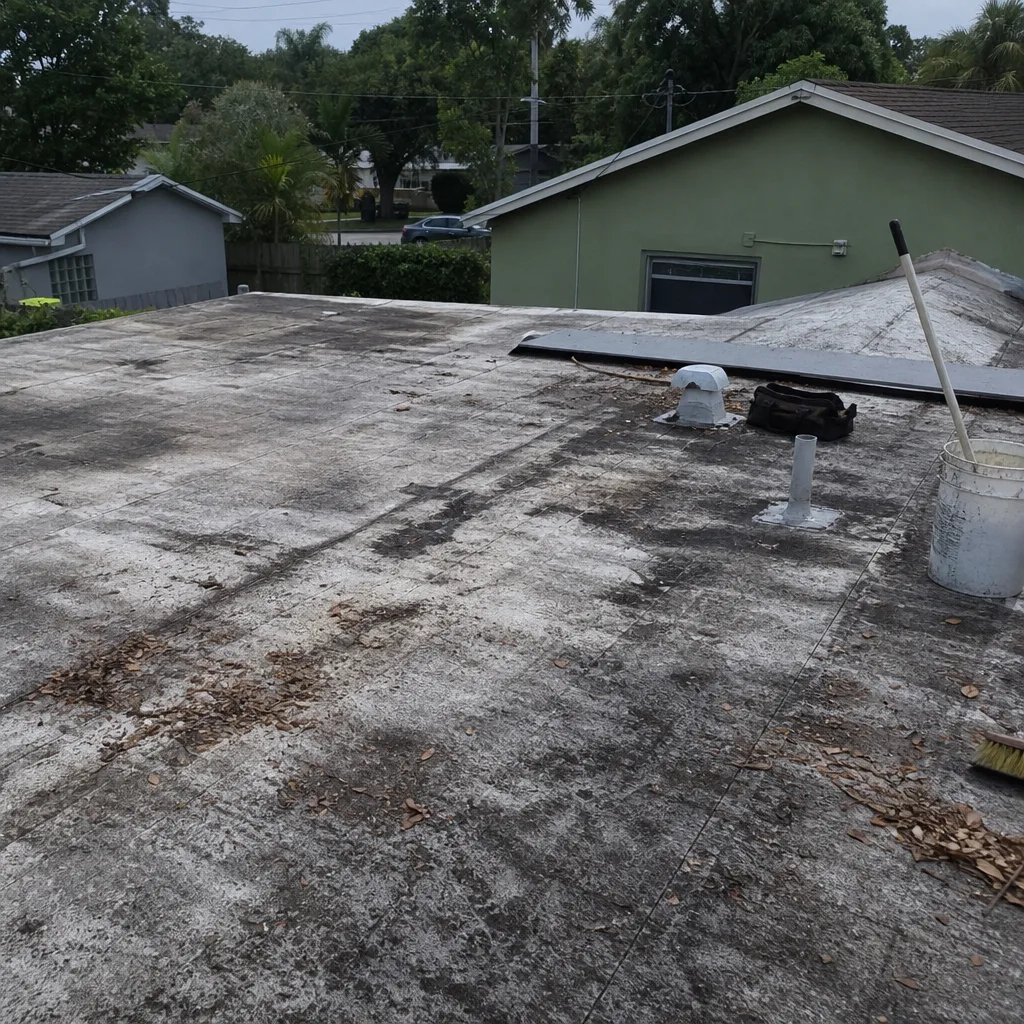 Before
 After
After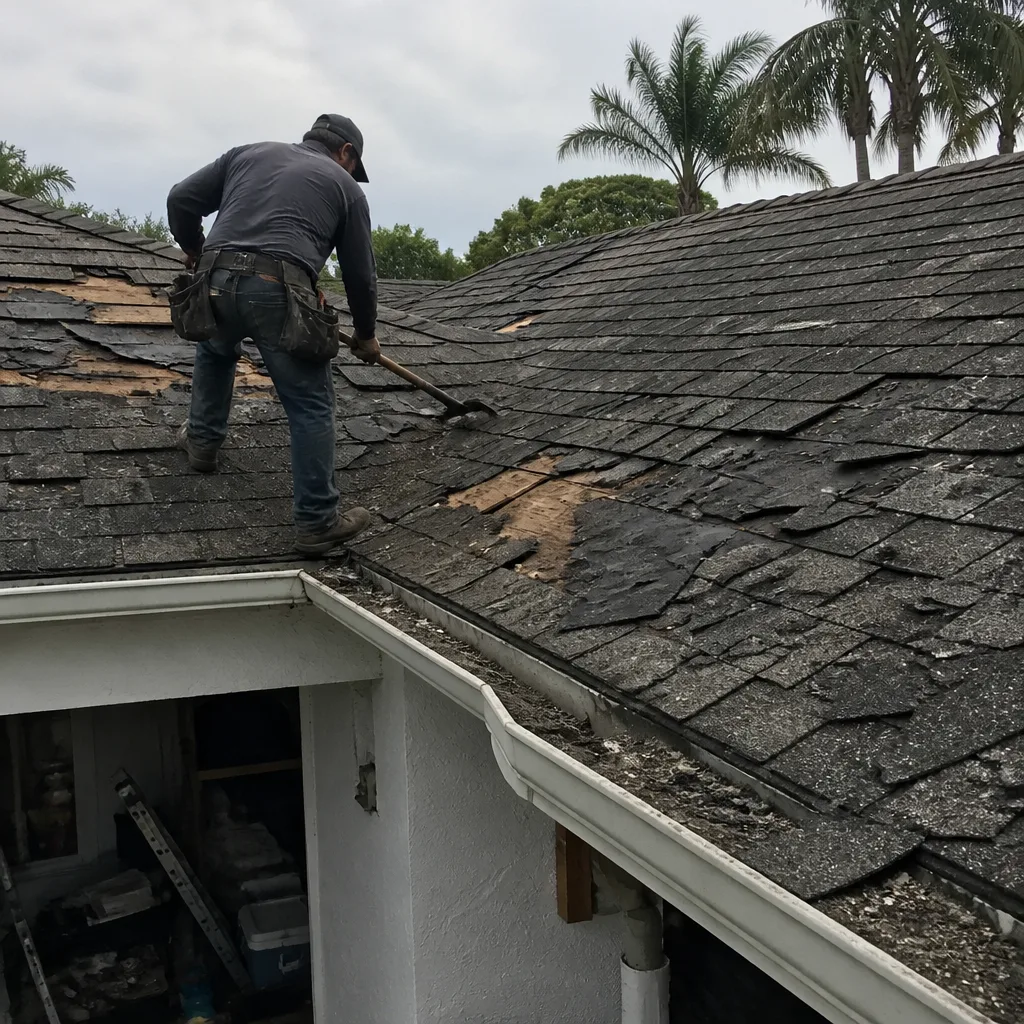 Before
 After
AfterWhen to Call a Professional
Some roofing decisions are DIY-friendly. Replacing a roof is not one of them, and in Fort Lauderdale, the stakes are higher than in most places. Call a professional if you see missing or curling shingles, water stains on the ceiling, granules collecting in the gutter, or daylight coming through the roof deck in the attic. Call one if your insurance company has flagged your roof age as a renewal condition. And call one before you sign anything from a door-to-door roofing salesperson who showed up after a storm. In all of these cases, you need a written inspection, an honest assessment, and a quote you can compare line by line. Mercer Roofing Co Fort Lauderdale offers free estimates in Fort Lauderdale, call (754) 354-1224 to schedule one.
Frequently Asked Questions
A new asphalt shingle roof in Fort Lauderdale in 2026 typically costs $9,900 to $26,250 depending on home size, with most 1,500 to 2,500 square foot homes falling between $13,000 and $21,000 including labor, materials, and HVHZ-compliant fastening. Metal roofs run $21,600 to $60,000, and flat modified bitumen roofs run $6,500 to $20,000. Call (754) 354-1224 for a written, itemized estimate on your specific home.
HVHZ fastening is the 6-nail-per-shingle, ring-shank pattern required by the High Velocity Hurricane Zone building code that governs Fort Lauderdale. It adds $400 to $900 to a standard reroof because it requires roughly 20,000 additional fasteners and the labor to place them. Any quote that skips this to be cheaper is building a roof that can fail in a storm and have its warranty and insurance claim denied.
Yes, a full roof replacement in Fort Lauderdale requires a building permit, and the permit and inspection line typically costs $350 to $900 depending on scope and municipality. The permit funds the mid-roof and final inspections that verify code compliance. A contractor who proposes skipping the permit is saving you a few hundred dollars and risking tens of thousands in insurance and resale problems.
The on-roof work for a standard Fort Lauderdale tear-off and reroof takes three to five days. The full project timeline including estimate, contract, permit, and material delivery is usually six to ten weeks, because asphalt shingle lead times in South Florida run three to six weeks for standard colors. Call (754) 354-1224 and we will give you a realistic timeline for your specific roof.
The price should not change unless the contractor discovers hidden decking damage after the old roof is removed, which is common in Fort Lauderdale’s humid climate. A reputable contractor will list a written per-sheet decking replacement price in the contract and agree to notify you before any additional sheets are installed. If the quote has no decking provision at all, assume the price will go up and ask for it in writing before you sign.
Look for a Fort Lauderdale roofing contractor who provides a written, itemized quote with the five key line items: tear-off and disposal, decking, underlayment and HVHZ fastening, flashing and ventilation, and permits. Confirm the crew is background-checked and experienced with HVHZ installation. And ask about the warranty: how long it lasts, what it covers, and what happens if a repair fails. At Mercer Roofing Co Fort Lauderdale, every quote is in writing before work starts, every repair includes a 365-day written guarantee with a free second visit if it fails, and every technician arrives uniformed with a photo ID badge after we’ve sent you their name and photo ahead of time.
The Bottom Line
Roofing costs in Fort Lauderdale in 2026 are not random, and the difference between a $14,000 quote and a $24,000 quote for the same roof is not profit margin. It is materials, fastening patterns, permit handling, and labor quality, all of which you can see if the quote is itemized. The most important number on the page is not the total. It is whether the words “HVHZ 6-nail fastening” appear in writing, whether the permit is listed as its own line, and whether the contractor gives you the per-sheet decking price up front. Get those three things in writing from any contractor you consider, and you will be able to compare quotes the way a Fort Lauderdale homeowner should: line by line, not bottom line to bottom line.
Written by Grant Whitlock, Owner at Mercer Roofing Co Fort Lauderdale, serving Fort Lauderdale since 2000.