
Last updated October 17, 2026
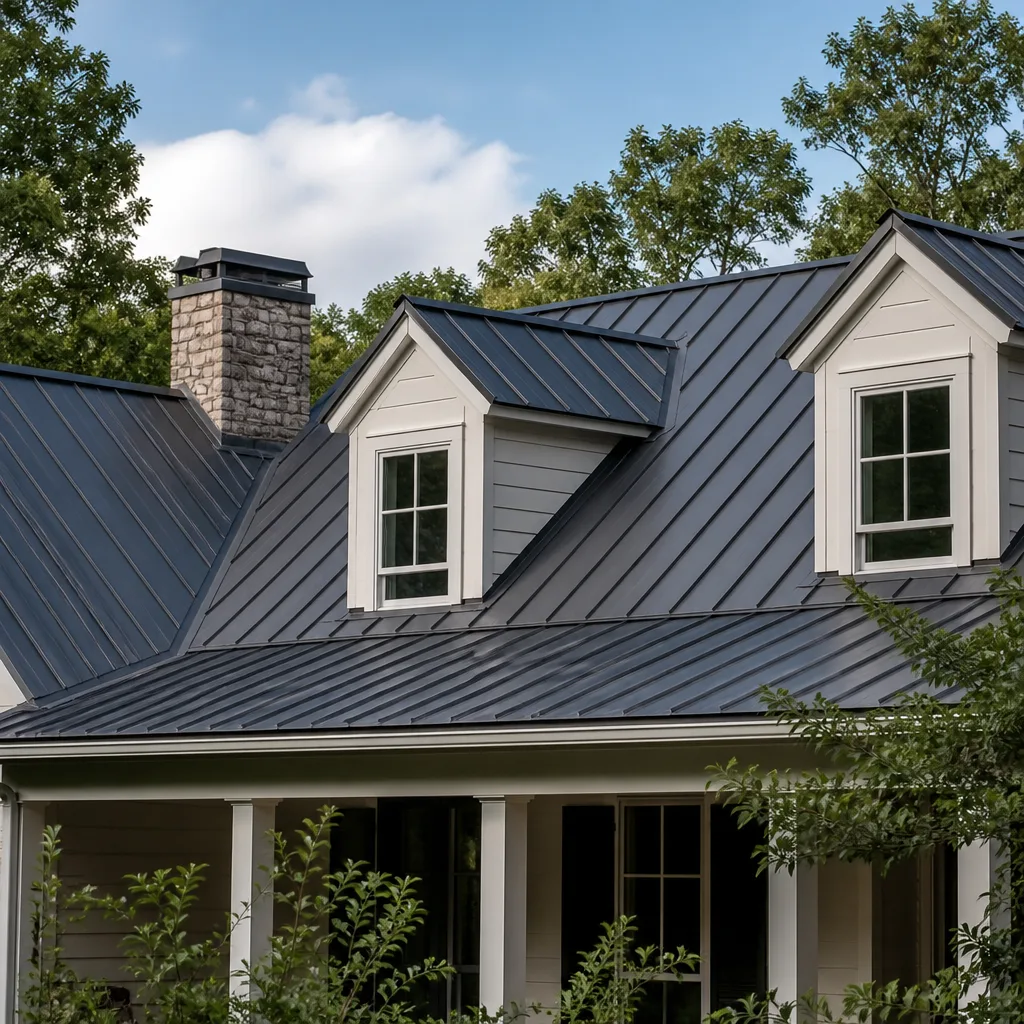 Metal roofing
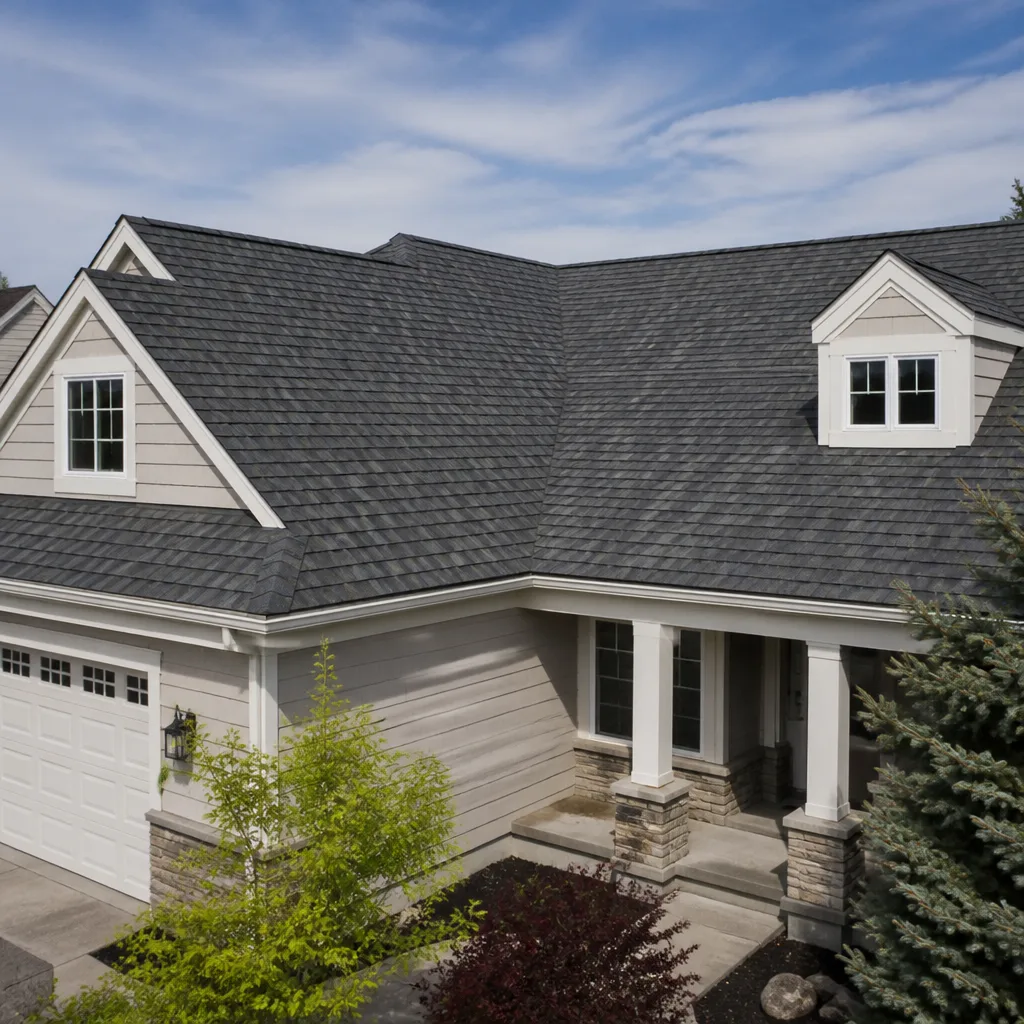 Architectural shingles
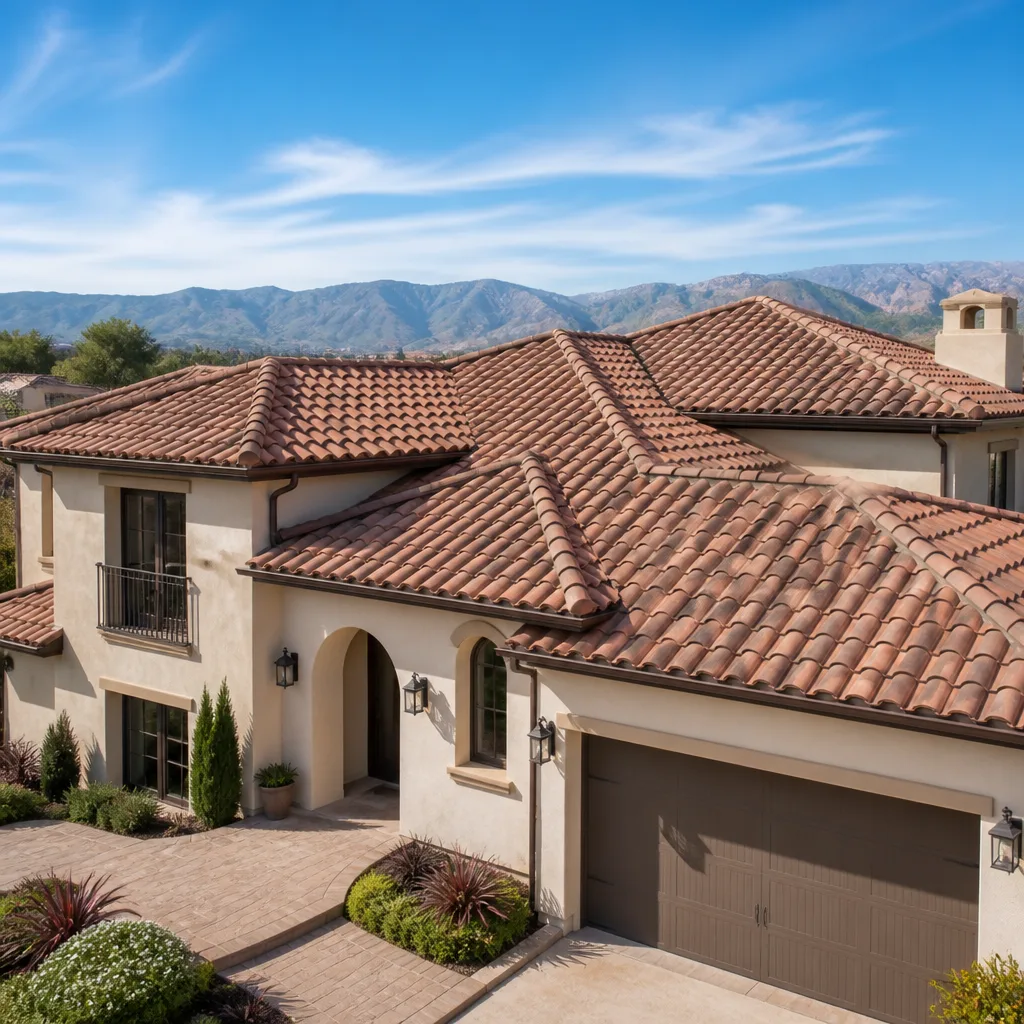 Tile roofing
 GAF
GAF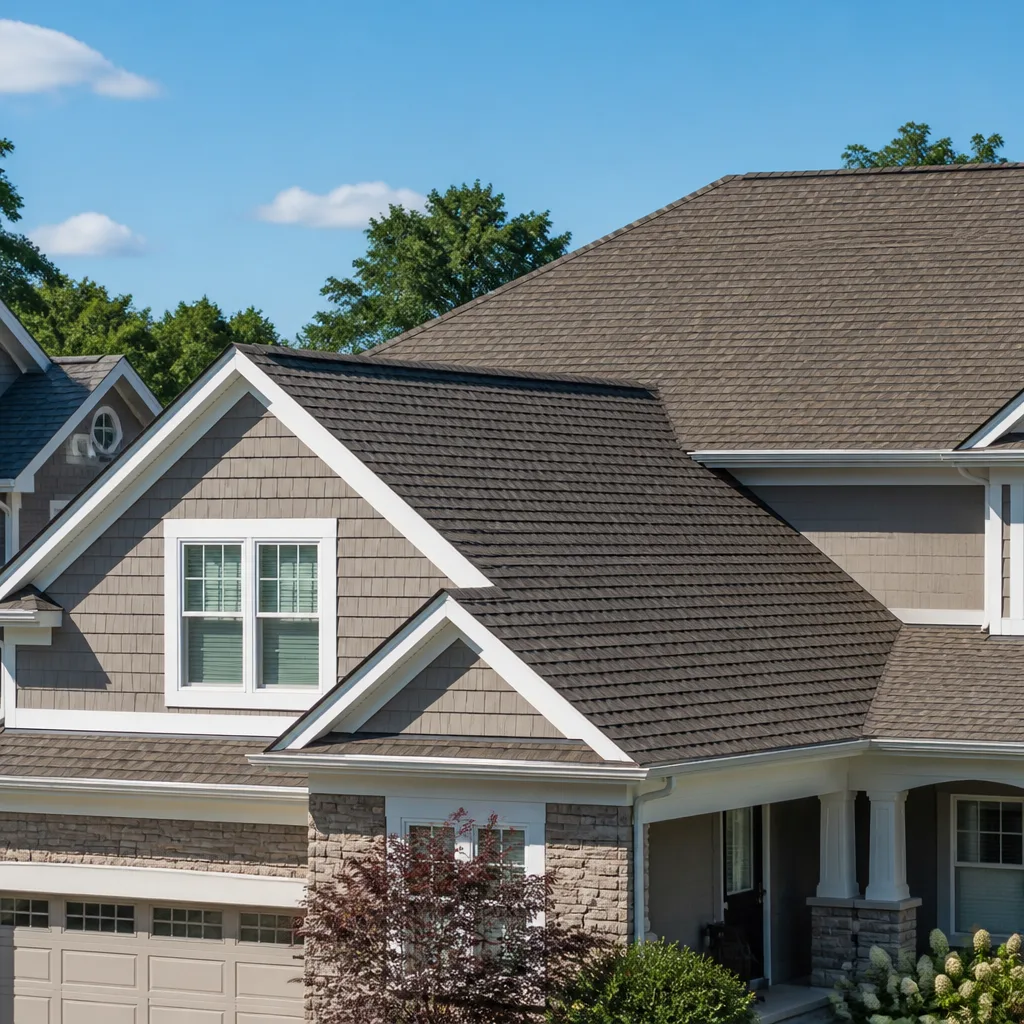 Owens Corning
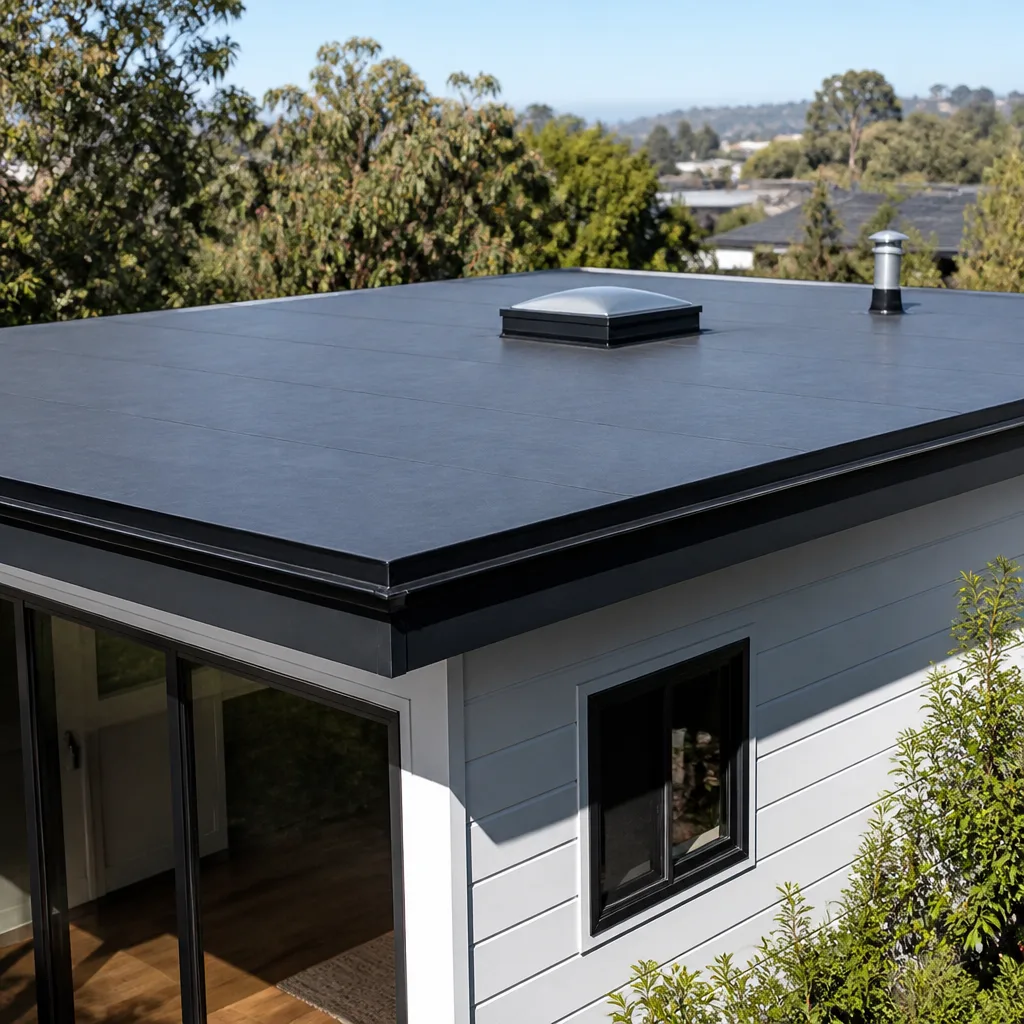 Flat & low-slope
Free roof inspection with deck photos before we talk money - GAF and Owens Corning certified installation
Seasonal Roofing Care for Fort Lauderdale: Year-Round Homeowner’s Guide
Fort Lauderdale receives an average of 61 inches of rain per year, nearly all of it between May and October. Your roof absorbs more moisture stress in six months than roofs in most U.S. cities see in twelve. That single fact reshapes how roofing care should work here. This guide walks through the only seasonal calendar that actually matters in Fort Lauderdale: the wet-season defense window and the dry-season repair window. For a deeper dive, see The Complete Guide to Roofing in Fort Lauderdale. You’ll learn what to check, when to check it, what it costs, and when to pick up the phone.
Styles & brands we work with
Quick Answer
Seasonal roofing care in Fort Lauderdale comes down to two windows: prepare before June 1 with a seven-point storm-readiness check, and use the dry months from November through April for repairs, sealant work, and any major roof installation. A professional inspection in early May and another in late October covers roughly 90% of what goes wrong on South Florida roofs. Not sure who to hire? Read How to Hire a Roofing Contractor in Fort Lauderdale: A Step-by-Step Guide. Repairs completed in the dry window cost less and last longer because materials cure properly without rain interruption.
Table of Contents
- The Two Real Roofing Seasons in Fort Lauderdale
- The Dry Season Action List: November Through April
- The May Pre-Season Seven-Point Check
- Afternoon Thunderstorms vs. Hurricane Risk: Two Different Responses
- Salt Air and Fastener Corrosion: December Through February
- Timing a Roof Replacement Around Permit Queues
- What Seasonal Roof Care Costs in Fort Lauderdale
- Common Mistakes to Avoid
- When to Call a Professional
- Frequently Asked Questions
- The Bottom Line
The Two Real Roofing Seasons in Fort Lauderdale
Forget spring, summer, fall, and winter. Fort Lauderdale runs on a two-season roofing calendar. The wet season, June 1 through November 30, is when your roof takes sustained fire from daily thunderstorms, tropical systems, and relentless humidity. The dry season, December through May, is when you actually have room to fix things without water getting in mid-repair. A homeowner who thinks in these two windows is already ahead of 80% of their neighbors.
We see the consequences of ignoring this rhythm constantly. A small crack in flashing that opens in March gets ignored until a July downpour turns it into a ceiling stain. A loose ridge cap that could be re-secured in twenty minutes during a dry January afternoon becomes an emergency call during a tropical storm watch in September. The fix is the same either way. The cost and the stress are not.
Understanding this split also helps you budget. Roof maintenance is not a single annual expense. It’s a series of smaller decisions made at the right time. You’ll find that a homeowner who spends a few hundred dollars on dry-season sealant work in February often avoids a few thousand dollars in wet-season water damage in August. The calendar does the heavy lifting if you let it.
Now, one clarification before we get into specifics. When we say “dry season” in Fort Lauderdale, we do not mean it never rains. Cold fronts between December and February can bring squalls. But the daily afternoon thunderstorm pattern shuts off, humidity drops, and there are long stretches of reliably dry weather. That consistency is what roof work needs. Materials like roof cement, sealant, and underlayment cure on a schedule. Rain interrupts that schedule. The more dry days in a row, the stronger the bond.
If you’re looking for a Mercer Roofing Co Fort Lauderdale home base of operations, this guide is built around what our team observes across the city, from Victoria Park to Coral Ridge to Rio Vista. The two-season rhythm holds everywhere here.
The Dry Season Action List: November Through April
The dry season is your repair window. Nothing we say anywhere else in this guide matters as much as this: do your roof work when it’s not raining. Fort Lauderdale’s dry months give you roughly twenty to twenty-four weeks to handle everything the wet season exposed. Here’s the action list we recommend, in order of priority.
- Get a professional inspection in early November. This catches wet-season damage before it sits through the next six months. We look for lifted shingles, cracked flashing, granule loss, and any signs of water intrusion around penetrations like vents and skylights. Expect to pay $150 to $350 for a thorough inspection from a licensed roofing company in Fort Lauderdale, though many companies credit that fee toward repair work.
- Repair loose or damaged flashing. Flashing is the metal material around chimneys, vents, skylights, and roof valleys. It’s the most common leak point we find. Dry-season repair of a single flashing penetration typically runs $200 to $450. The same repair done as an emergency in August runs $350 to $650 because we’re working in the rain, on a ladder, under time pressure.
- Re-seal roof penetrations. Every pipe boot, vent collar, and satellite mount is a potential slow leak. A $150 to $300 sealant pass across all penetrations in the dry season buys you real protection for the summer storm pattern.
- Check and clean gutters and downspouts. Fort Lauderdale’s oak trees drop leaves continuously, but the heaviest accumulation hits in March and April before the rains return. Clogged gutters back water up under the roofline and cause fascia rot. Gutter cleaning runs $100 to $250 depending on house size.
- Look for granule loss. Go to the bottom of your downspouts after a strong dry-season rain and check for sandy granules. Some granule loss is normal. Streaks of exposed fiberglass are not. If your shingles are losing granules at that rate in the dry season, they will not survive June through September intact.
- Address any interior signs of moisture. Water stains on ceilings, peeling paint in the corners of rooms beneath the roofline, or a musty smell in the attic are red flags that appear most clearly when humidity drops. Investigate them in the dry season, before the next rain cycle makes them worse.
One more point: if your roof is over 15 years old, or if it took direct hits from foliage or minor wind events during the previous hurricane season, the dry window is the time for a professional opinion on remaining lifespan. A roof installation in Fort Lauderdale planned for December through March faces fewer weather delays and gives you a fully settled roof before the next June 1.
The May Pre-Season Seven-Point Check
Before June 1 every year, go through this seven-point check. You can do most of it from the ground with binoculars, and the rest belongs to a professional inspection. The goal is simple: find vulnerabilities before the daily rain pattern finds them for you.
- Ridge cap condition. The ridge cap is the line of shingles running along the peak of your roof. It takes the most direct sun and wind. Look for cracked, curled, or missing cap shingles. A damaged ridge cap is an open door for wind-driven rain, and it’s one of the least expensive fixes if caught early.
- Flashing at all penetrations. Check the metal flashing around vents, plumbing stacks, chimneys, and skylights. Look for gaps, rust, or lifted edges. Any daylight between flashing and roof surface means water has a path in.
- Hurricane straps and clips. In Fort Lauderdale, building code requires roof-to-wall connections using metal hurricane straps or clips. These are not visible from the outside without an attic inspection. A professional should verify these connections every few years, especially on homes built before 2002, when the codes changed after Hurricane Andrew. Loose or corroded straps are a structural risk beyond just water.
- Shingle adhesion. Lift a corner of a shingle if you can reach it safely from a ladder. It should resist. If shingles lift easily across broad sections, the adhesive has failed and the roof needs active attention before tropical force winds arrive.
- Gutter flow and downspout discharge. Run a hose through the gutters and watch where the water goes. Downspouts should discharge at least three feet from the foundation. Incorrect drainage concentrates water at the base of the house and adds hydrostatic pressure on the slab and exterior walls.
- Attic ventilation. In Fort Lauderdale’s heat, attic temperatures regularly exceed 140 degrees in summer. Inadequate ventilation bakes shingles from below and shortens their lifespan. Check that gable vents, ridge vents, and soffit vents are clear. A hot attic also raises your cooling bill substantially.
- Debris on the roof. Palm fronds, oak leaves, and branches trap moisture against shingles and hold it there for weeks. Clear everything off the roof surface before the rains begin. Debris removal is a $100 to $200 service call but saves you accelerated shingle rot.
If you catch anything on this list, do not wait. May is the last reliable dry month. After June 1, the window for non-emergency repairs essentially closes for two or three months. The afternoon storm pattern will find every weak point you skipped.
Afternoon Thunderstorms vs. Hurricane Risk: Two Different Responses
Homeowners sometimes conflate daily summer thunderstorms with hurricane threats. They are different beasts, and they require different maintenance responses. Understanding the distinction will save you money and prevent you from overreacting to the wrong problem.
Afternoon summer thunderstorms in Fort Lauderdale are a near-daily occurrence from June through September. They start when the sea breeze pushes inland and collides with heated air over the Everglades. You get a period of intense rain, frequent lightning, and short-duration gusty winds. Heavy rainfall rates are the primary roof threat here: two to three inches per hour, every afternoon, week after week. That’s a test of your roof’s waterproofing, not its structural strength. Leaks around penetrations, clogged gutters that overflow, and sealant failures show up during these daily storms. Your response should focus on waterproofing: flashing, sealing, drainage.
A hurricane or tropical storm is a structural test. The threat is sustained wind, not just rain. Wind-driven rain is real, but it’s the horizontal component that gets under edges and tears material off. Ridge caps, shingle edges, and fascia bear the brunt. Your response here should focus on wind resistance: hurricane straps, adequate nail patterns, properly installed drip edge, and ridge cap integrity. The May seven-point check addresses both, but it helps to understand which element protects against which threat.
One practical note from our service calls: we see far more total leak volume from the daily storms than from any single named storm. A tropical storm passes through in a day. The daily thunderstorms hammer your roof for ninety days straight. That’s a volume problem. Don’t wait for a named storm to take roof maintenance seriously. The afternoon storms are the real grind.
Insurance implications matter here too. Most homeowner policies in Florida carry a separate hurricane deductible, often 2% to 5% of dwelling coverage. Daily storm damage falls under the regular deductible. If water gets in through normal afternoon rainfall because of deferred maintenance, you are likely filing a standard claim, and insurance companies routinely deny those. Preventative dry-season work is significantly cheaper than any deductible you’ll pay.
Salt Air and Fastener Corrosion: December Through February
Fort Lauderdale’s winter months bring a subtle but real roof threat: offshore winds and salt air degradation. From December through February, the prevailing wind pattern shifts. Instead of the onshore sea breeze of summer, you get more offshore and northerly winds. Dry, salt-laden air moves across barrier islands and into coastal neighborhoods like Harbor Beach, Las Olas Isles, and Lauderdale Harbors. That air carries aerosolized salt from the Atlantic.
Salt air accelerates corrosion on every metal component of a roof. Galvanized nails, metal flashing, pipe boots, and especially fasteners on standing-seam metal roofs all degrade faster within a mile or two of the ocean. What takes twenty years to corrode inland may take twelve to fifteen years on the barrier islands. The dry winter months are when this corrosion becomes detectable, because you can see rust stains forming without rain washing them away daily.
Between December and February, add one specific inspection to your list: a corrosion check. Look for rust streaks on flashing, over-driven or popped fasteners showing rust blooms, and crumbling pipe boots. On metal roofs, check that fastener heads still have their protective coating and that no galvanic corrosion is occurring where dissimilar metals meet. If you see white oxidation powder on aluminum components or red rust on steel, that’s the salt air doing its work.
Polyurethane sealants and stainless steel fasteners specified for coastal environments cost about 20% to 30% more than standard materials, but they are the only responsible choice in Fort Lauderdale’s coastal zones. When we spec materials for homes east of Federal Highway, we use manufacturers like GAF and CertainTeed with corrosion-resistant fastener lines. The upgrade is modest, and it extends roof life meaningfully.
If you’re in a coastal neighborhood, schedule a salt-air fastener inspection every February. It’s the single most overlooked maintenance item among Fort Lauderdale beachside homeowners, and it catches problems years before they become structural.
Timing a Roof Replacement Around Permit Queues
This is a Fort Lauderdale reality most homeowners never hear about until they’re stuck in it. After a named storm makes landfall in South Florida, the local permit queue backs up. We’re not talking days. We’re talking six to ten weeks.
Here’s why. After a storm event, hundreds of homes need roof work simultaneously. The city of Fort Lauderdale’s building department processes permit applications for roof replacements, and each one requires a plan review. The same inspectors are handling emergency repairs, damage assessments, and routine construction. Add in the roofing contractors themselves, who are suddenly fully booked for weeks. The entire system bottlenecks.
The implications are straightforward. If you plan to replace your roof, do it in the dry season, and ideally start the process by January. A roof replacement started in December or January goes through permit review in the normal 1 to 3 week window, gets inspections on schedule, and finishes before the wet season. A roof replacement started in October, after a hurricane, can wait six to ten weeks just for permit approval, then another several weeks for the installation itself, plus inspection wait times. You may not have a finished roof until the following spring.
A note on roofing material choice. South Florida’s high heat, high humidity, and wind exposure narrow the field of sensible shingle options. We work most often with GAF, CertainTeed, and Owens Corning products for Fort Lauderdale homes because their high-wind rated lines hold up under local conditions and their warranties are straightforward to process. A high-wind-rated asphalt shingle roof in Fort Lauderdale typically costs $5 to $7 per square foot installed. Tile and metal run higher, $9 to $15 per square foot. These numbers vary by roof complexity, but they give you a real starting point for budgeting.
If your roof is approaching fifteen years old and you’re anywhere near the coast or in a neighborhood with older housing stock, start talking to contractors in January. You’ll get better pricing, faster permits, and a finished roof before the first June storm rolls in.
What Seasonal Roof Care Costs in Fort Lauderdale
Let’s put real numbers on the table. These are the ranges we see across Fort Lauderdale for typical seasonal roofing services, current as of early 2026. Prices vary by roof size, pitch, and accessibility, but this gives you a trustworthy starting point before you call anyone.
- Professional roof inspection: $150 to $350. Most companies credit this toward repair work done within a certain window. Always ask.
- Flashing repair (single penetration): $200 to $450 dry season, $350 to $650 emergency wet season.
- Sealant pass over all penetrations: $150 to $300. This is cheap insurance, and the best dry-season value on this list.
- Gutter cleaning and minor repair: $100 to $250 for a typical single-family home.
- Ridge cap replacement (partial): $300 to $700 depending on length and shingle match.
- Debris removal from roof surface: $100 to $200.
- Pipe boot replacement: $150 to $300 per boot. Multiple boots usually get a volume discount.
- Full roof replacement (asphalt shingle, high-wind rated): $12,000 to $25,000 on a typical Fort Lauderdale single-family home, or $5 to $7 per square foot.
The highest-leverage dollar on this list is the sealant pass. For under $300, you protect every penetration on the roof against a full summer of daily downpours. It’s the single best example of the dry-season philosophy at work: small money, right timing, big protection.
If you want a written price for any of this work before you commit, that’s standard practice at Mercer Roofing’s repair services in Fort Lauderdale. No work starts without a number in your hand, and every repair carries a written guarantee included with the job.
Common Mistakes to Avoid
- Waiting until June to schedule an inspection. Late May is too late. The professional crews are fully booked by then, and the rain has already started. February through April is the sweet spot for an annual inspection in Fort Lauderdale.
- Ignoring granule loss in the dry season. It’s easy to see granule accumulation at downspouts when the weather is dry. It’s also easy to ignore. Don’t. Granule loss is the leading indicator that shingles are nearing failure, and Fort Lauderdale’s UV exposure accelerates it faster than much of the country.
- Using interior caulk to fix roof leaks. Caulking a ceiling stain from the inside does nothing for the actual problem, which is usually three to fifteen feet from where the water showed up. Water travels along rafters and sheathing before it drops. Fix the entry point, not the exit point.
- Skipping the attic inspection. Half the relevant roof data lives in the attic: rusted fasteners, dark streaks on sheathing, daylight through penetrations, failed insulation at the roofline. A professional inspection that skips the attic is not a real inspection.
- Letting palm fronds sit on the roof. A single frond holds moisture against shingles for weeks. Over a wet season, that spot rots while the rest of the roof stays dry. Remove debris within a week of any wind event, or hire someone to do it.
- Choosing the cheapest repair quote during wet-season emergencies. The low bid is often a handyman with a bucket of tar, not a licensed roofer. Tar patches on active leaks fail within months. You wind up paying for the same repair twice. Get a written guarantee on any repair you pay for.
- Not asking about the permit wait after storm events. Homeowners who wait until October to start a replacement are routinely surprised when the city is eight weeks behind. This is knowable information. Ask about permit timelines before you choose a start date.
When to Call a Professional
Any roof work involving ladders, heights, or structural inspection belongs with a trained contractor. The specific moments to call are these: you see daylight through the attic, you find water stains spreading after rain, a wind event lifts shingles or ridge cap, granule loss covers exposed fiberglass, your roof is past fifteen years, or you’re planning to sell and need an honest condition report. Fort Lauderdale’s humidity means small entry points become big problems fast. If you’re not sure what you’re looking at, call someone who sees South Florida roofs every day. Mercer Roofing Co Fort Lauderdale offers free estimates in Fort Lauderdale – call (754) 354-1224 and a live person answers, any hour.
Frequently Asked Questions
Twice a year. A professional inspection in early May before hurricane season, and another in late October or early November after it ends. The May inspection is about finding vulnerabilities. The November inspection is about assessing what the season did. Together they catch nearly all preventable problems at the point where they’re cheap to fix.
Expect to pay $150 to $350 for a professional roof inspection in Fort Lauderdale. Many companies credit the inspection fee toward repair work if you hire them for repairs within a certain window. Always ask about that credit when you schedule. Call (754) 354-1224 for Mercer Roofing’s current inspection pricing.
You can do a meaningful ground-level check with binoculars: look at ridge caps, flashing, and shingle condition. But you cannot safely assess hurricane strap connections, attic sheathing condition, or subtle sealant failures without getting on the roof and into the attic. A professional inspection catches what a visual sweep misses, and it comes with a written report if you request one.
January through March. The weather is consistently dry, the permit queue is at its shortest, contractor scheduling is most flexible, and the roof settles before the next hurricane season. A replacement started in January is typically finished with inspections passed by April. Call (754) 354-1224 to get a written estimate for your roof installation.
Yes, and the evidence is rust. Homes within a mile or two of the Atlantic show fastener corrosion, flashing rust, and pipe boot deterioration years before inland homes. If your property is east of Federal Highway, add a corrosion inspection to your February maintenance routine. Stainless steel fasteners and polyurethane sealant specified for coastal environments are worth the upgrade.
Only if the damage is sudden and accidental, not the result of deferred maintenance. Insurance companies in Florida routinely deny claims where granule loss, old sealant, or long-standing flashing failure contributed to the leak. This is why dry-season preventative work matters financially as much as structurally. A $200 sealant pass is cheaper than any deductible you’ll ever pay, and it keeps your claims history clean.
The Bottom Line
Fort Lauderdale roofing is a scheduling discipline more than a repair discipline. The homeowners who stay dry are the ones who do their maintenance in the dry window, run the seven-point check before June 1, understand the difference between daily storms and hurricane risk, and never let a small flashing crack wait for a big rain to find it. The calendar is your best tool, and the dry season is your best friend. If you take one action from this guide, make it this: schedule a professional inspection in the next dry month on the calendar, and get a written report with a written price for anything it finds. Then explore more guides & resources to keep your roof in top shape year-round.
Written by Grant Whitlock, Owner at Mercer Roofing Co Fort Lauderdale, serving Fort Lauderdale since 2000.
See the difference
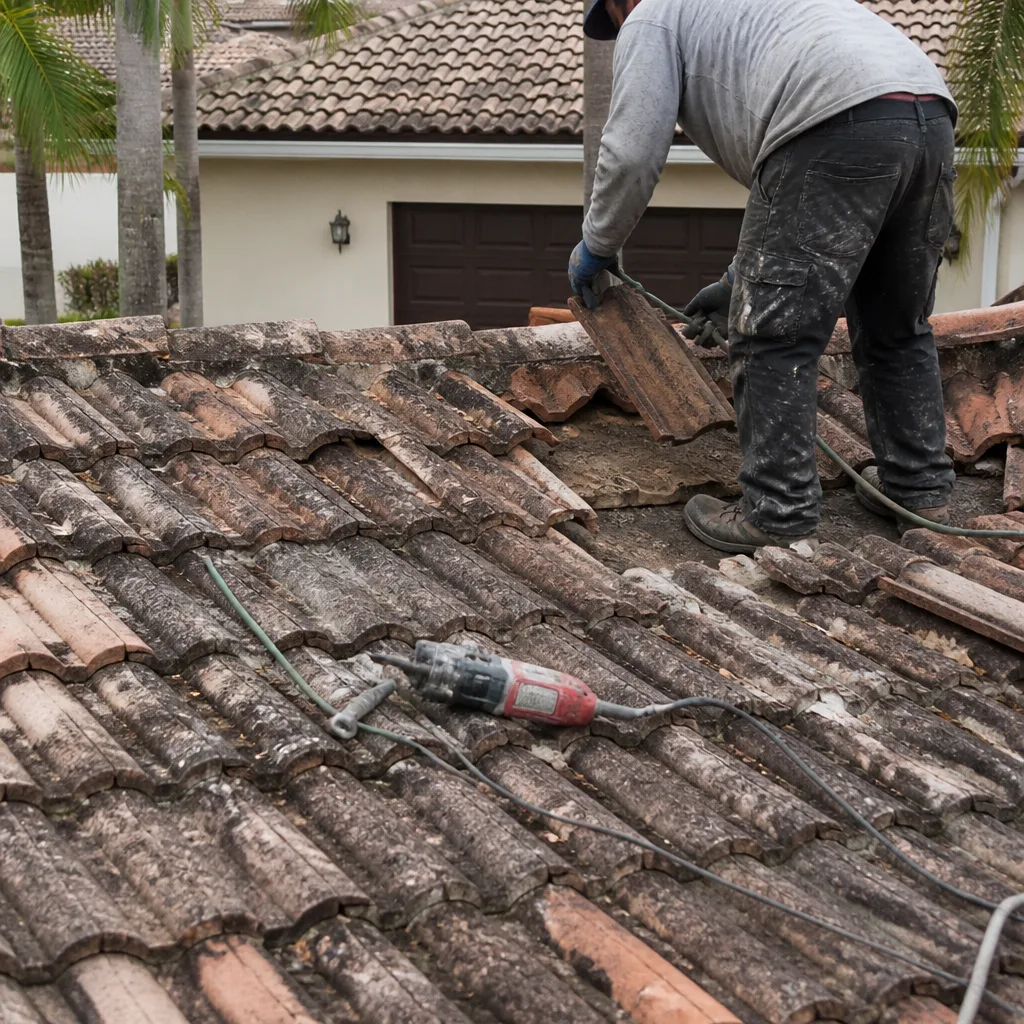 Before
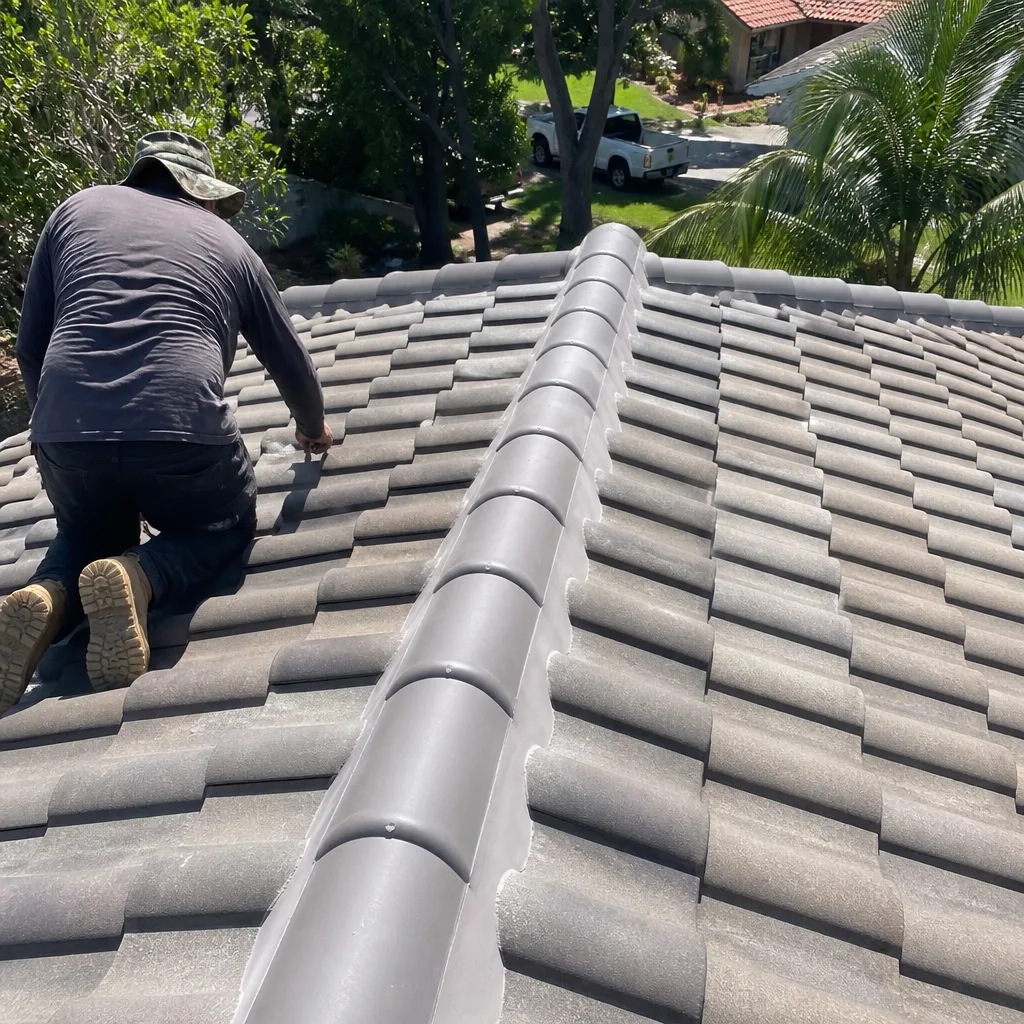 After
After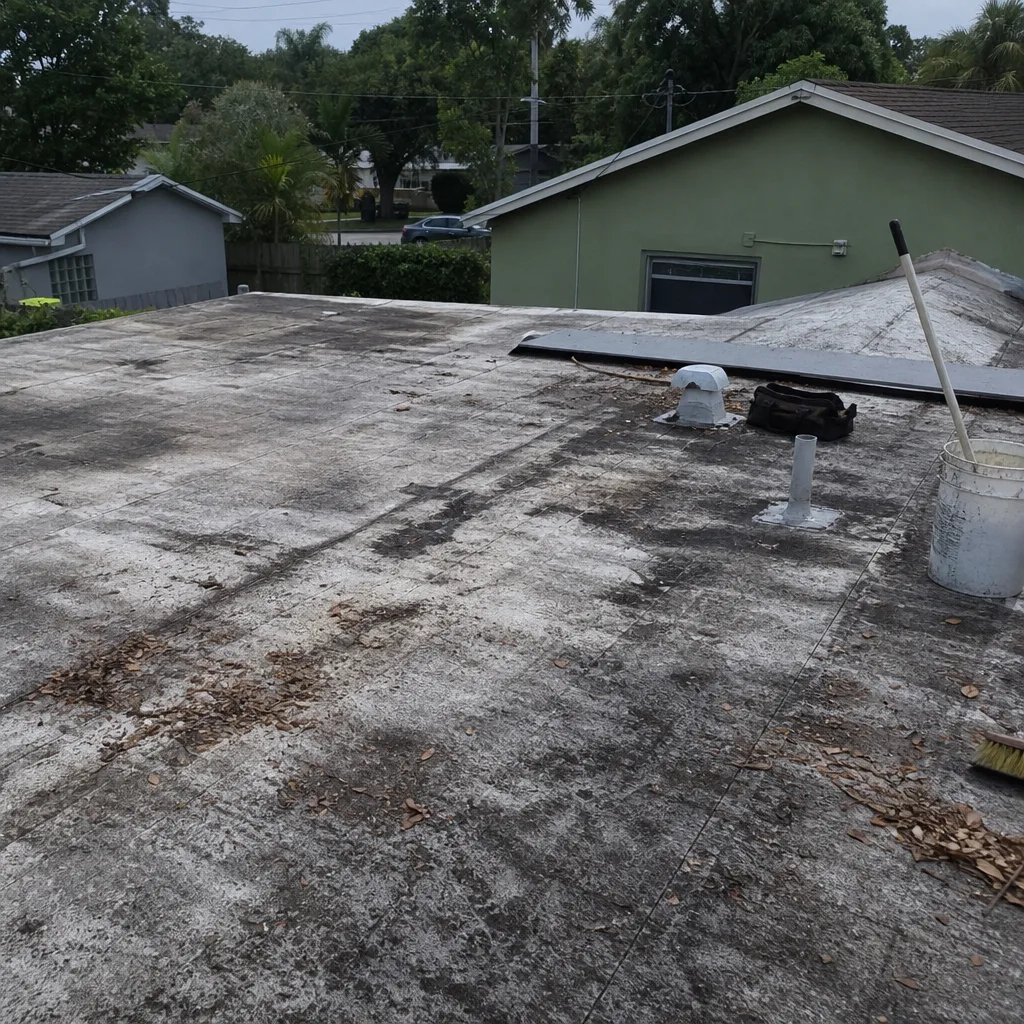 Before
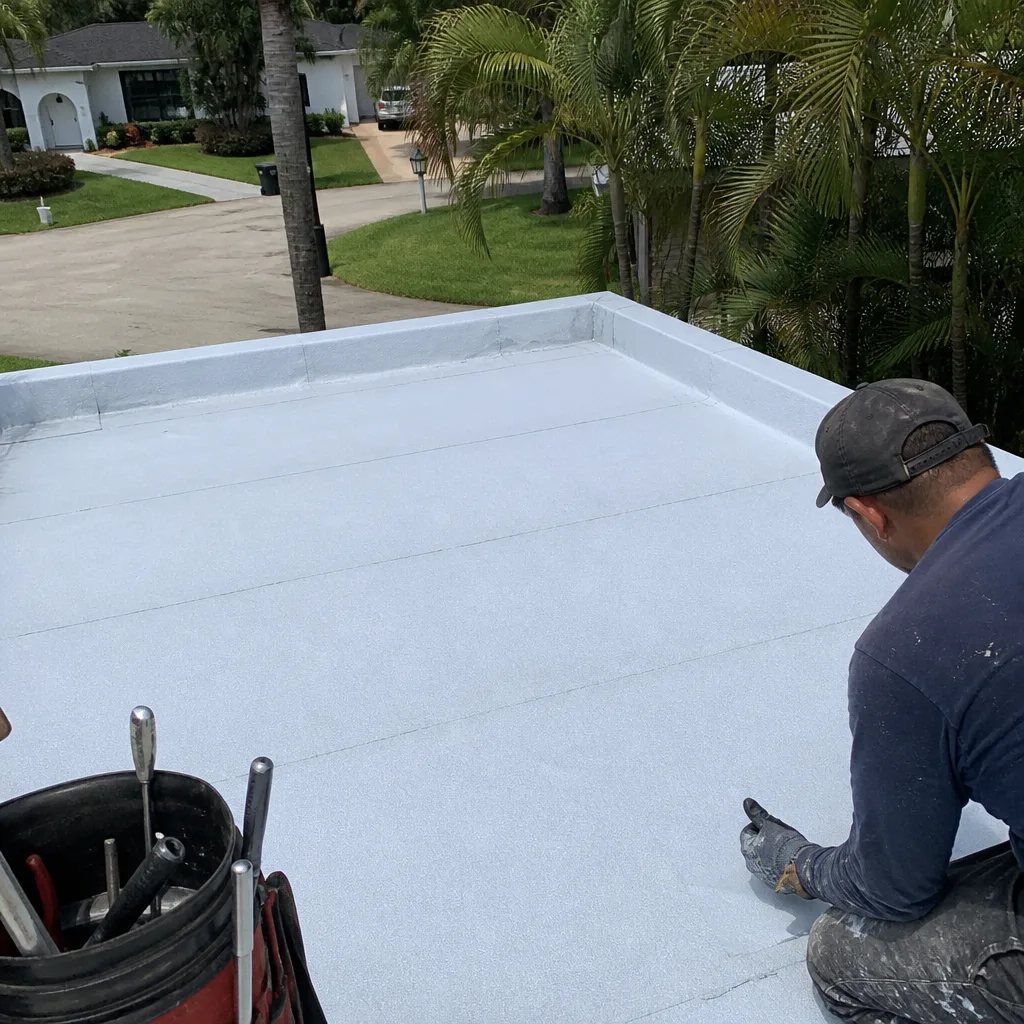 After
After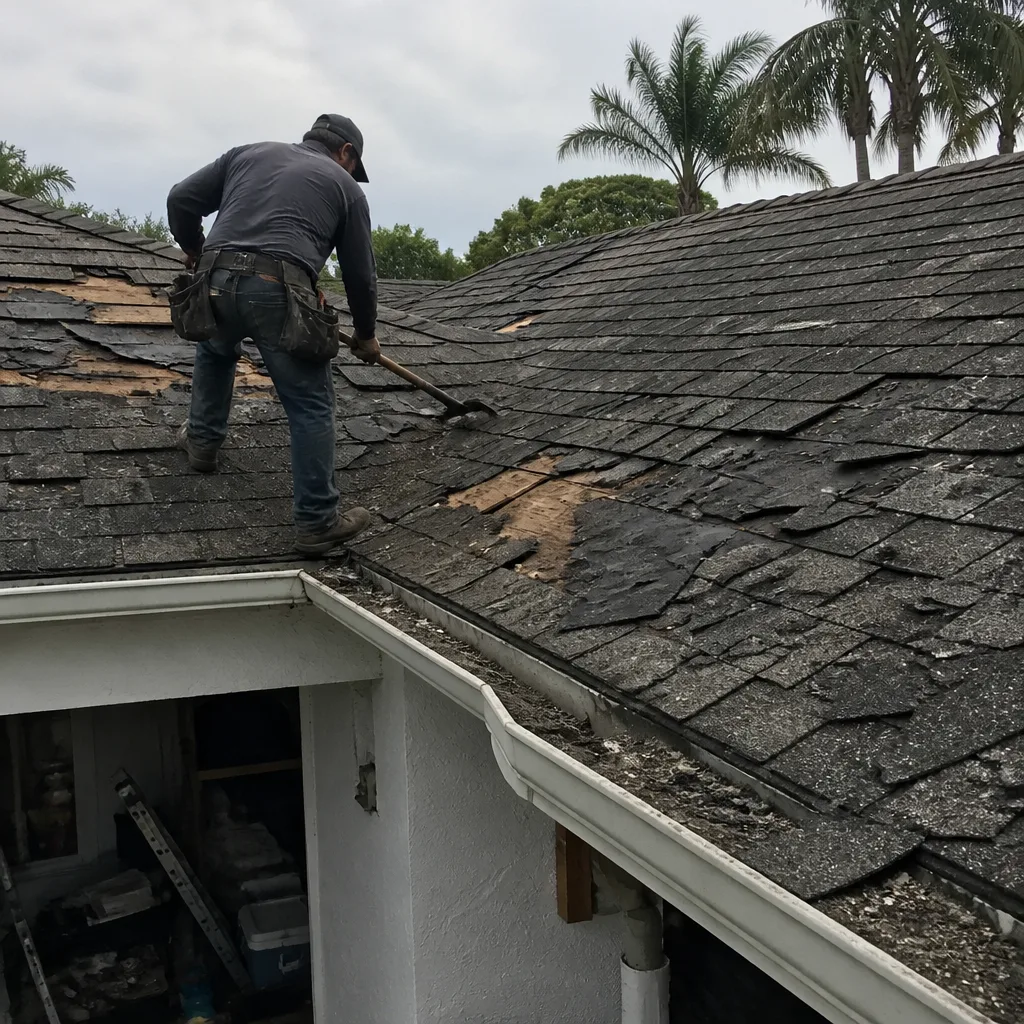 Before
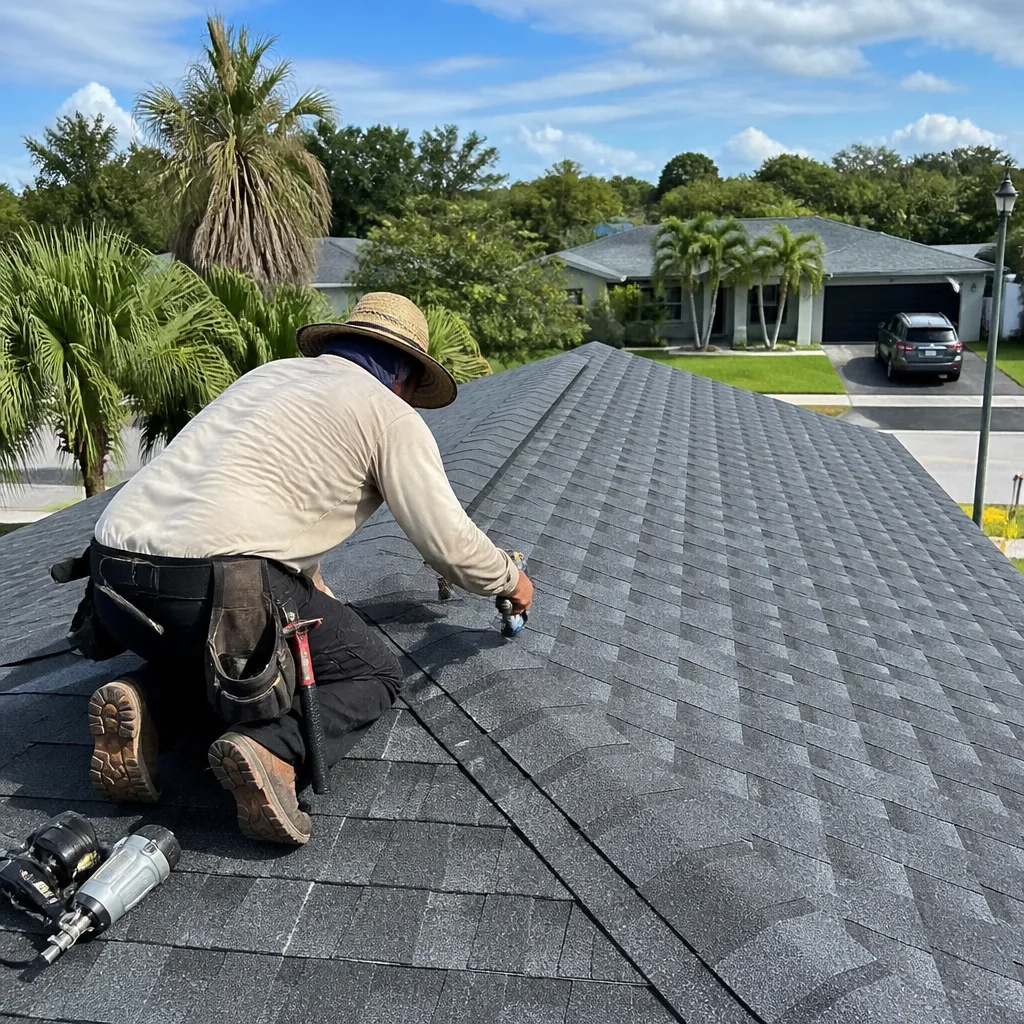 After
After