
Last updated October 17, 2026
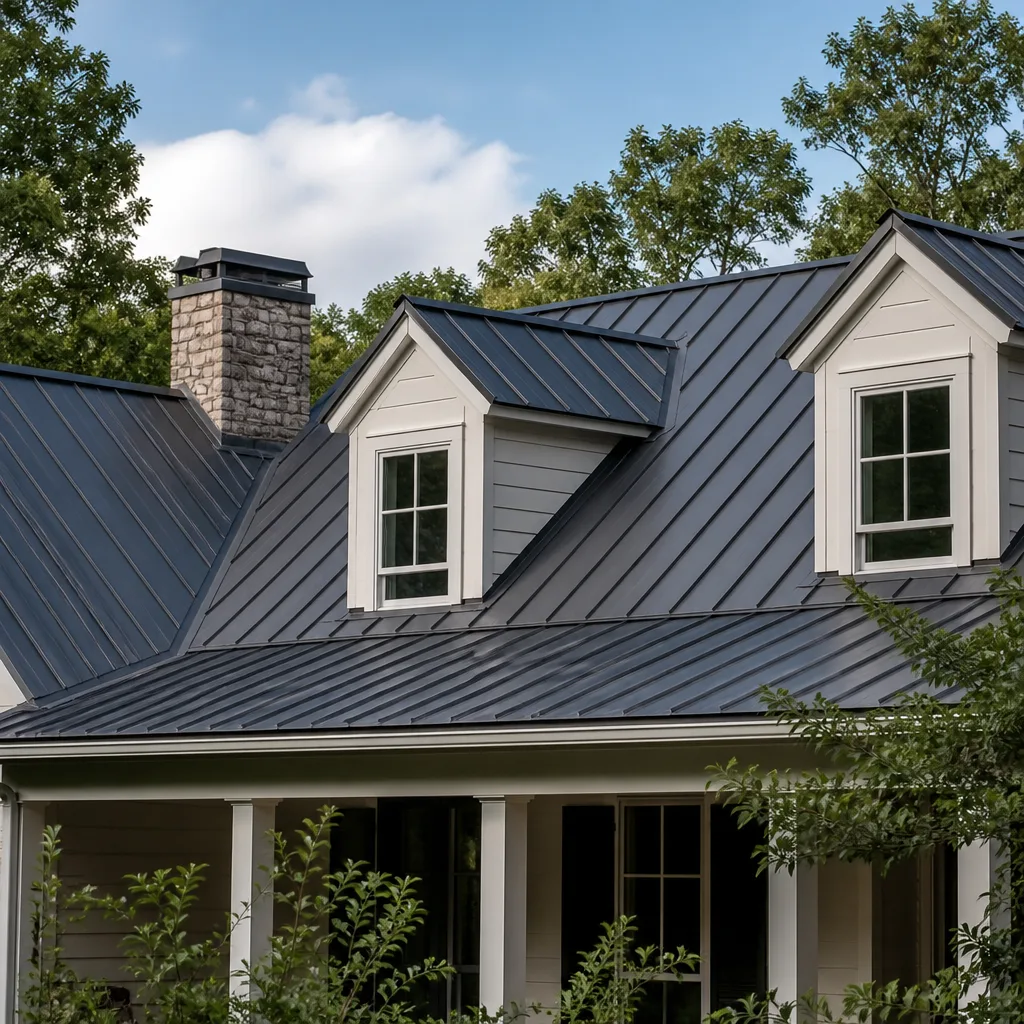 Metal roofing
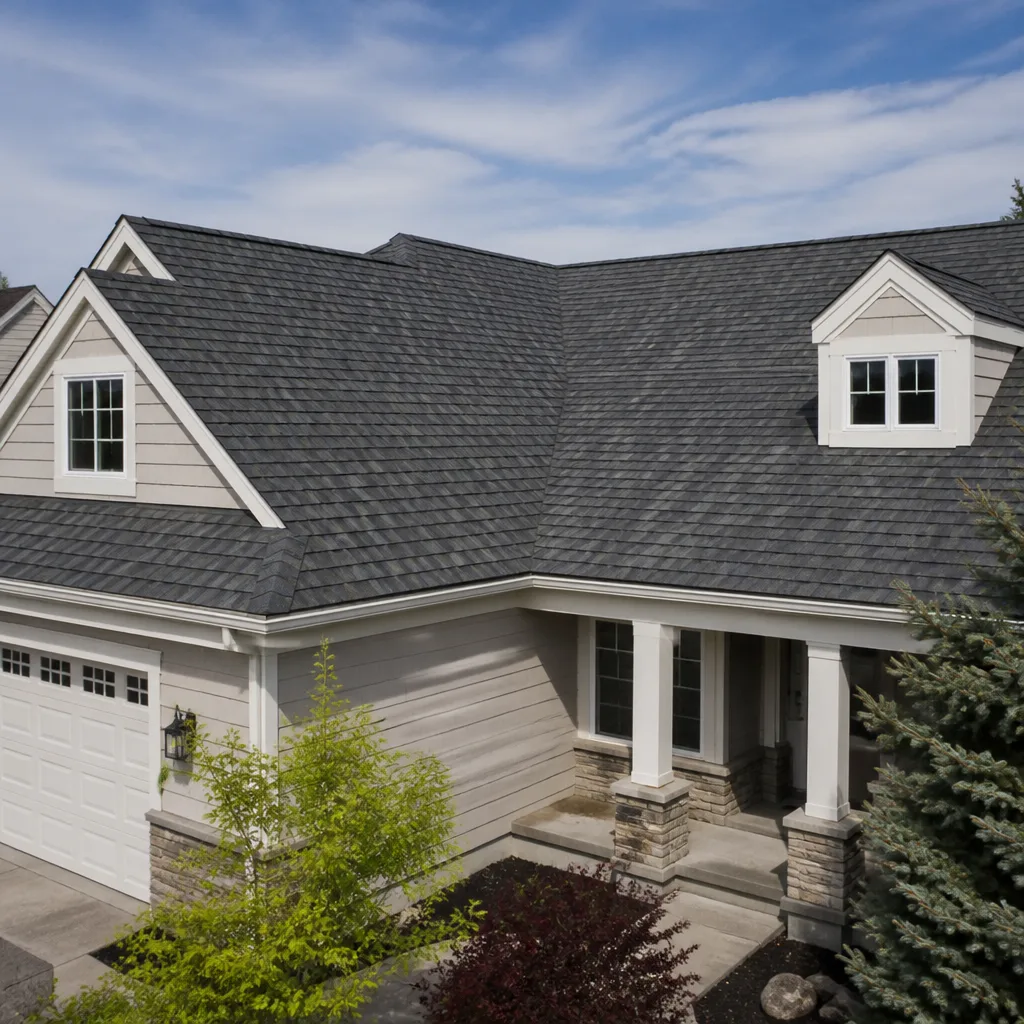 Architectural shingles
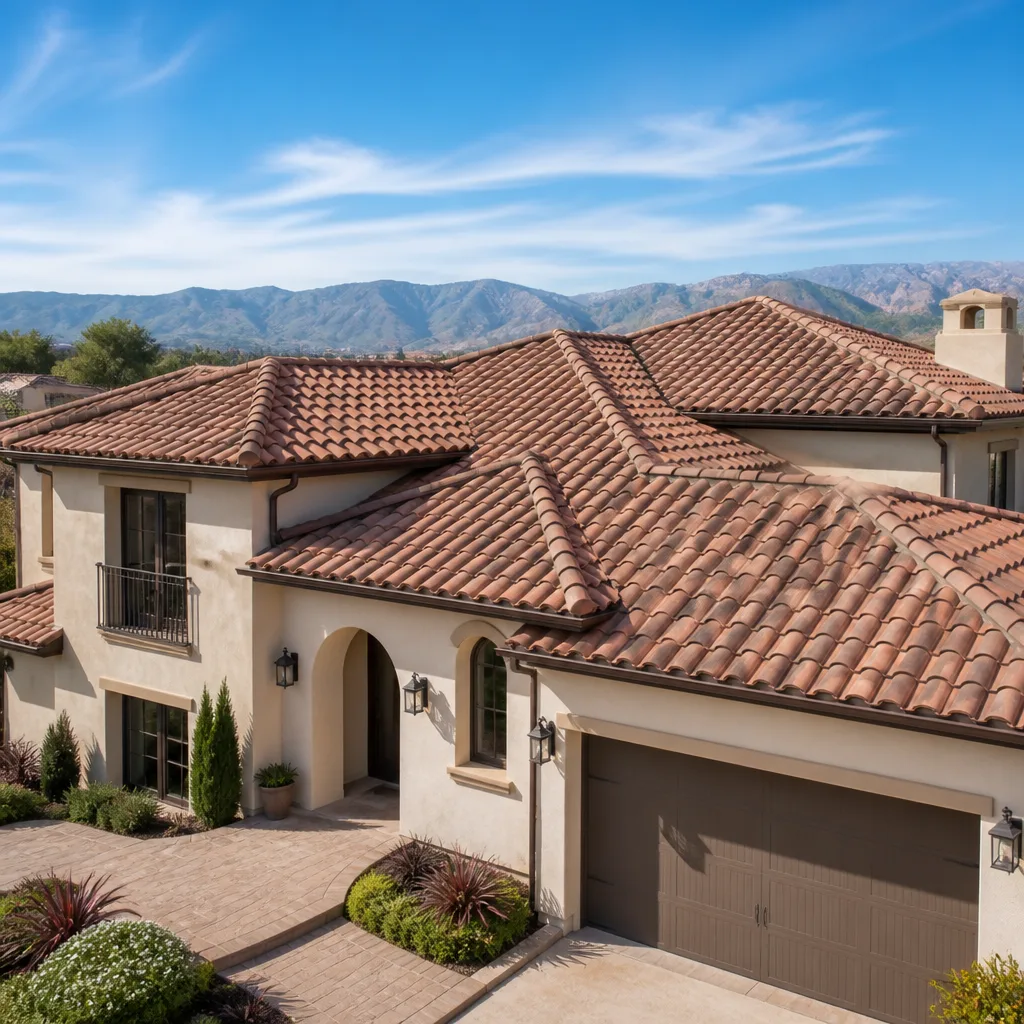 Tile roofing
 GAF
GAF Owens Corning
 Flat & low-slope
Free roof inspection with deck photos before we talk money - GAF and Owens Corning certified installation
Roofing Permits, Codes & Inspections in FL: What You Need to Know
A Fort Lauderdale homeowner recently had to re-roof a two-year-old house before closing. The original contractor pulled a permit in the correct county but used a fastening pattern not approved under Broward’s High-Velocity Hurricane Zone amendment. The state permit alone wouldn’t catch that. The resale inspector did. This guide maps the three layers of Florida’s roofing permit system, state code, county amendment, and municipal overlay, so you understand exactly what governs a Broward County address before you hire anyone, buy a roof, or sell a home. For a deeper dive, see The Complete Guide to Roofing in Fort Lauderdale.
Quick Answer
Roofing permits in Florida are governed by the Florida Building Code Chapter 15 as the baseline, then modified by Broward County’s High-Velocity Hurricane Zone (HVHZ) provisions, and finally enforced through Fort Lauderdale’s municipal permitting office. Most reroofs and structural repairs require a permit. A repair covering less than 25% of a roof plane may not, depending on scope. Permits require passing at least two inspections, a dry-in and a final, and skipping any of this can affect your insurance and your ability to sell the home.
Styles & brands we work with
Table of Contents
- The Florida Building Code Baseline: What It Actually Covers
- Broward County’s HVHZ Amendment: The Layer Most People Miss
- What Triggers a Roofing Permit in Fort Lauderdale: Squares, Percentages, and Scope
- How to Look Up a Permit on Broward County’s ePermits Portal
- The Inspection Sequence for a Fort Lauderdale Reroof: Dry-In, Final, and Who Schedules What
- What Happens to Your Insurance Claim If the Roof Was Never Permitted
- Why a Legally Permitted Roof Can Still Fail a Resale Inspection
- What to Check Before You Sign a Roofing Contract in Broward County
The Florida Building Code Baseline: What It Actually Covers
The Florida Building Code (FBC) is the starting point for every roof in the state. Chapter 15 governs roofing assemblies, and it sets minimum standards for decking, underlayment, flashing, and shingle fastening. But here’s what most homeowners don’t realize: the FBC is a floor, not a ceiling. Local jurisdictions can, and routinely do, add stricter requirements on top of it. In Broward County, those additions are significant.
The baseline FBC requires, among other things:
- Roof decking to be a minimum thickness, typically 7/16-inch OSB or 1x nominal board, unless the local amendment says otherwise.
- Underlayment to meet ASTM standards for water resistance, with specific overlap requirements at eaves, valleys, and penetrations.
- Flashing at every roof-to-wall intersection, chimney, skylight, and pipe penetration.
- Fasteners to be corrosion-resistant and driven to a specific penetration depth into the decking.
For a standard asphalt shingle roof in most of Florida, the FBC calls for a minimum of four nails per shingle in normal wind zones. In Broward County, that baseline changes. The county’s HVHZ amendment often requires six nails per shingle, specific nail placement patterns, and sometimes a sealed or mechanically fastened underlayment system that the baseline FBC doesn’t mandate. When we inspect roofs in Fort Lauderdale neighborhoods like Victoria Park or Rio Vista, we regularly see roofs that were permitted under a state-level understanding of the code but would not pass a Broward inspection today. These are exactly the kinds of issues covered in Roofing Warning Signs: A Fort Lauderdale Homeowner’s Reference Guide. The permit number looked valid. The installation didn’t meet the amendment.
Broward County’s HVHZ Amendment: The Layer Most People Miss
Broward County sits inside Florida’s High-Velocity Hurricane Zone, along with Miami-Dade. That designation isn’t a suggestion. It’s a binding set of construction requirements that override the FBC baseline wherever the two conflict. The HVHZ provisions were written after Hurricane Andrew exposed how state minimums failed in real wind conditions. Today, they govern everything from how a roof deck is attached to the trusses to how the ridge cap is sealed.
Here are the HVHZ requirements that affect a typical Fort Lauderdale reroof:
- Fastening patterns. Asphalt shingles in the HVHZ typically require six nails per shingle at specific placement points, not the four nails allowed under baseline FBC. The nail must penetrate at least 3/4 inch into the decking or through the decking entirely.
- Underlayment. Broward County requires either a double layer of ASTM D226 Type II felt or a single layer of an approved synthetic underlayment with sealed laps. In some assembly types, a self-adhering modified bitumen underlayment is mandatory at eaves, valleys, and penetrations.
- Deck attachment. The HVHZ requires roof decking to be attached to trusses or rafters with specific fastener spacing, often 6 inches on center at panel edges and 12 inches in the field. If the existing deck doesn’t meet that, the reroof permit may require re-nailing or replacement before new roofing goes on.
- Roof-to-wall connections. In a reroof, the inspector may verify that the trusses or rafters are strapped to the wall system. If they aren’t, the permit scope can expand to include retrofit strapping.
What governs your specific address depends on the property’s location within Broward County and the year it was built. Homes built after the current HVHZ provisions took effect were permitted under them originally. Homes built before the HVHZ existed may carry older construction that doesn’t meet today’s standards. When you reroof a pre-HVHZ home in Fort Lauderdale, the permit process often triggers a requirement to bring the roof assembly up to current HVHZ standards, not just replace what was there. That’s a good thing for your insurance and your safety, but it can change the price of the job. A written line-item quote should spell out exactly what code-required upgrades are included. At Mercer Roofing Co Fort Lauderdale, we include those upgrades in every quote we write before work starts.
What Triggers a Roofing Permit in Fort Lauderdale: Squares, Percentages, and Scope
Not every roof repair requires a permit. But the line between a repair and a replacement is drawn in specific square footage and percentage terms, and guessing wrong can cost you. In Fort Lauderdale, which enforces Broward County’s permitting requirements, a permit is mandatory when the work meets any of these thresholds:
- Full reroof: Removing and replacing the entire roof covering always requires a permit, full stop.
- Replacement of 25% or more of a roof plane: If the repair covers a quarter or more of any single roof plane, most permitting offices treat it as a replacement, not a repair, and require a permit.
- Any structural repair: Replacing decking, repairing a truss, or altering any load-bearing roof component triggers a permit regardless of size.
- Flashing replacement at penetrations: Replacing flashing around chimneys, skylights, or vents is usually considered a repair if the shingle area affected is small. But if the flashing work requires removing a large section of roofing, the percentage rule applies.
- Underlayment replacement: If you’re stripping to the deck and replacing underlayment, even on a partial area, Fort Lauderdale’s building department generally treats that as a reroof on that plane and requires a permit.
Small, isolated repairs, a few shingles replaced after a storm, a small patch around a vent, typically don’t require a permit if they cover less than 25% of the plane and don’t touch the structure. But the moment decking comes off or the repair crosses that threshold, the permit is not optional. Homeowners sometimes ask us whether they can skip the permit on a partial repair to save time. Our answer is always the same: the permit protects the homeowner, not the contractor. The fee is small compared to what an unpermitted roof can cost you later. We’ll cover that in the insurance section below.
How to Look Up a Permit on Broward County’s ePermits Portal
Broward County maintains an online permit lookup system called ePermits. You can search by address, permit number, or owner name. This tool is free, public, and takes about five minutes to use. Knowing how to use it protects you when you’re buying a home, when you’re checking on a contractor you’ve hired, and when you’re verifying what a previous owner did.
Here’s the step-by-step process to check a Fort Lauderdale address:
- Go to Broward County’s ePermits OneStop portal and select “Search Permits.”
- Enter the property address exactly as it appears on the county property appraiser’s website. Use the street number, direction if any, street name, and unit if applicable.
- Review the permit list for the address. Look for any permit with a type that includes “roof,” “reroof,” or “roofing.” Click into each one to see its status: open, issued, passed, finaled, or expired.
- Check the inspection history on each roofing permit. A permit that was “issued” but never “finaled” means the work was done or started but the final inspection never passed or never happened. That’s a red flag.
- If you see a roofing permit with no final inspection from a prior owner, call the Broward County Building Code Division to confirm whether the permit is still open and what it would take to close it.
When you’re buying a home, do this before you close. A title search won’t necessarily flag an open or never-finaled roofing permit. In our experience, an open permit from three owners ago is one of the most common surprises that shows up when a new Fort Lauderdale homeowner calls for a roof inspection. A quick ePermits search costs nothing and tells you whether the roof the seller says is permitted actually is.
The Inspection Sequence for a Fort Lauderdale Reroof: Dry-In, Final, and Who Schedules What
Every permitted roofing job in Fort Lauderdale follows a defined inspection sequence. Understanding it helps you know what to expect on your own project and helps you spot a contractor who’s cutting corners.
The standard sequence for a reroof on a single-family home in Broward County is:
- Permit issuance. The contractor submits the permit application with the roof plan, product approvals for the materials being used, and the scope of work. Fort Lauderdale’s building department reviews it, and the permit is issued with a defined inspection checklist.
- Dry-in inspection. After the old roof is off, the deck is repaired or replaced as required, and the underlayment is installed, the contractor calls for a dry-in inspection. The inspector verifies that the decking meets HVHZ attachment requirements, the underlayment is the right product installed the right way, and the flashing details are ready for the finish layer. Nothing gets covered until this inspection passes.
- Cover installation. Once dry-in passes, the shingles, tile, or metal panels go on. This phase may take one to five days depending on roof size, pitch, and material.
- Final inspection. The contractor calls for the final inspection after the roof is complete. The inspector verifies that the finished roof matches the permitted scope, the fastening is correct, the flashing is complete, and the roof edge and ridge details meet code.
- Permit finaling. The building department marks the permit as finaled, which closes the file. Your roofer should provide you with a copy of the finaled permit or the final inspection record. Keep it.
The contractor is typically responsible for scheduling both inspections. The homeowner is responsible for confirming they happened and were passed. If you’re ever unsure, you can check the permit status yourself using the ePermits portal described above. A finaled permit is your proof that the roof was installed under the eyes of Broward County’s inspectors, not just under the contractor’s word.
What Happens to Your Insurance Claim If the Roof Was Never Permitted
Florida insurers are increasingly denying or reducing claims on roofs that were installed without a required permit. The logic is straightforward: if the roof wasn’t permitted, the insurer can’t verify it was built to code. If it wasn’t built to code, the insurer may argue the damage is partly or entirely the result of the improper installation, not the covered event.
Here’s what we’ve seen play out in Fort Lauderdale and across Broward County:
- An insurer denies a wind claim outright because the roof was installed without a permit and the damage pattern suggested the shingles were not fastened per HVHZ requirements.
- An insurer pays the claim but depreciates the roof’s value heavily, arguing the unpermitted installation shortened its useful life. The homeowner gets a fraction of the replacement cost.
- An insurer drops coverage or declines to renew after discovering an unpermitted roof during a post-claim inspection.
The permit isn’t paperwork. It’s the record that proves your roof was built to the standard your insurance policy assumes. When you hire a roofer for any job that requires a permit, verify that the permit is pulled in the correct jurisdiction, that the inspections are scheduled, and that the permit is finaled at the end. If you’re buying a home with a recent unpermitted roof, know that you’re inheriting both the potential insurance exposure and the cost of bringing it into compliance later. For more on what a proper repair process looks like, see our guide to roof repair in Fort Lauderdale.
Why a Legally Permitted Roof Can Still Fail a Resale Inspection
The opening story in this guide, a two-year-old roof that passed its final inspection but failed at resale, sounds like a bureaucratic quirk. It isn’t. It’s the difference between a permit that was issued and an installation that actually meets every layer of code that applies to the address.
When a resale inspector or a buyer’s home inspector examines a roof in Broward County, they may check details that the original permitting process didn’t aggressively verify, or that were verified under an older code edition. Here are the most common issues we find:
- Fastening pattern deviations. The roof was permitted and passed a final inspection, but a later inspector or appraiser discovers the nail count or placement doesn’t match current HVHZ requirements. This can happen when the permitting office’s final inspection was cursory, or when the roof was installed under a code edition that has since been updated.
- Unapproved material substitutions. The permit application listed a specific underlayment or shingle with a Florida product approval number. The installed product doesn’t match what was approved. A resale inspector flags it, and now the roof has to be opened up or replaced.
- Missing strapping or tie-downs in a pre-HVHZ home. The reroof was permitted and finaled, but the scope didn’t include the roof-to-wall connections. A thorough resale inspector checks, and the home fails a four-point or wind mitigation inspection.
- Flashing details that meet minimum code but fail insurance standards. Some insurers require flashing upgrades beyond the minimum code. A roof can be fully code-compliant and still not meet the insurer’s loss-prevention checklist.
The lesson is simple: a permit number is necessary but not sufficient. The installation has to match the permit documents and the current code. That’s why we write contracts that specify the product approvals being used, the fastening schedule being followed, and the code edition being applied. If it isn’t written down, it’s hard to prove later.
What to Check Before You Sign a Roofing Contract in Broward County
Most homeowners focus on the total price. The price matters. But the contract details determine whether the roof you’re buying will still be defensible in five years, in an insurance claim, or at a resale inspection. Before you sign anything in Fort Lauderdale, go through this list:
- Confirm the permit is included in the contract. Some lower-priced bids exclude the permit fee or don’t mention it at all. Ask the contractor to show you the permit application line item and the jurisdictions they’ll be filing in: Fort Lauderdale building department, Broward County, and any applicable municipal overlay.
- Ask for the product approval numbers. Every shingle and underlayment product used in the HVHZ must carry a current Florida product approval. The contract should list them. If it doesn’t, ask why.
- Get the fastening pattern in writing. The contract or an attached detail sheet should specify the nail count per shingle, the nail placement, and the deck attachment spacing. This is the single most common point of dispute in Broward County roofing work.
- Confirm who schedules inspections. The contract should state that the contractor is responsible for scheduling the dry-in and final inspections and for providing proof that both passed.
- Verify the warranty language. Manufacturer warranties cover the materials. The contractor’s workmanship warranty covers the installation. In Broward County, both should be in writing. At Mercer Roofing, every repair includes a written guarantee, and our 365-Day Done Right Promise means if the work isn’t right within a year, we make it right.
- Check who’s coming to your home. Before work starts, you should know the name of the technician, see their photo, and know they’ve been background-checked. Every roof installation in Fort Lauderdale that Mercer performs is done by a technician who is identity-verified, uniformed, and badge-presenting at the door, under the Threshold Verified standard we’re contractually held to.
The right contract doesn’t just protect you from a bad installation. It protects you from the quiet risks: the unpermitted prior job, the insurance claim that gets denied, the resale inspection that fails. A written, itemized, permit-inclusive contract with code references is the single best tool a Florida homeowner has.
Common Mistakes to Avoid
- Assuming a state permit equals a Broward-compliant roof. The Florida Building Code is the baseline, but Broward’s HVHZ amendment governs. A roof can be permitted under the state’s understanding and still fail under Broward’s requirements. Verify the permit was pulled in Fort Lauderdale or the correct Broward municipality.
- Skipping the permit on a “small” repair that isn’t small. The 25%-of-a-roof-plane threshold is easy to cross without realizing it. A repair that seems minor can legally require a permit, and skipping it can void an insurance claim later.
- Not checking the ePermits portal before closing on a home. An open or never-finaled roofing permit from a previous owner is a liability you may inherit. The portal is free and takes minutes to search.
- Hiring a contractor who won’t put the fastening pattern in writing. The nail count and placement is the most common code deviation in Broward County. If it isn’t in the contract, you can’t prove what was agreed to.
- Letting the contractor skip the dry-in inspection. Some crews will cover the deck and underlayment before the inspector arrives to save a day. That’s a code violation and a signal the contractor is cutting corners. Never let the cover go on before the dry-in passes.
- Not keeping the finaled permit. The final inspection record is your proof of code compliance. Keep it with your closing documents and pass it to the next buyer. It adds value at resale.
See the difference
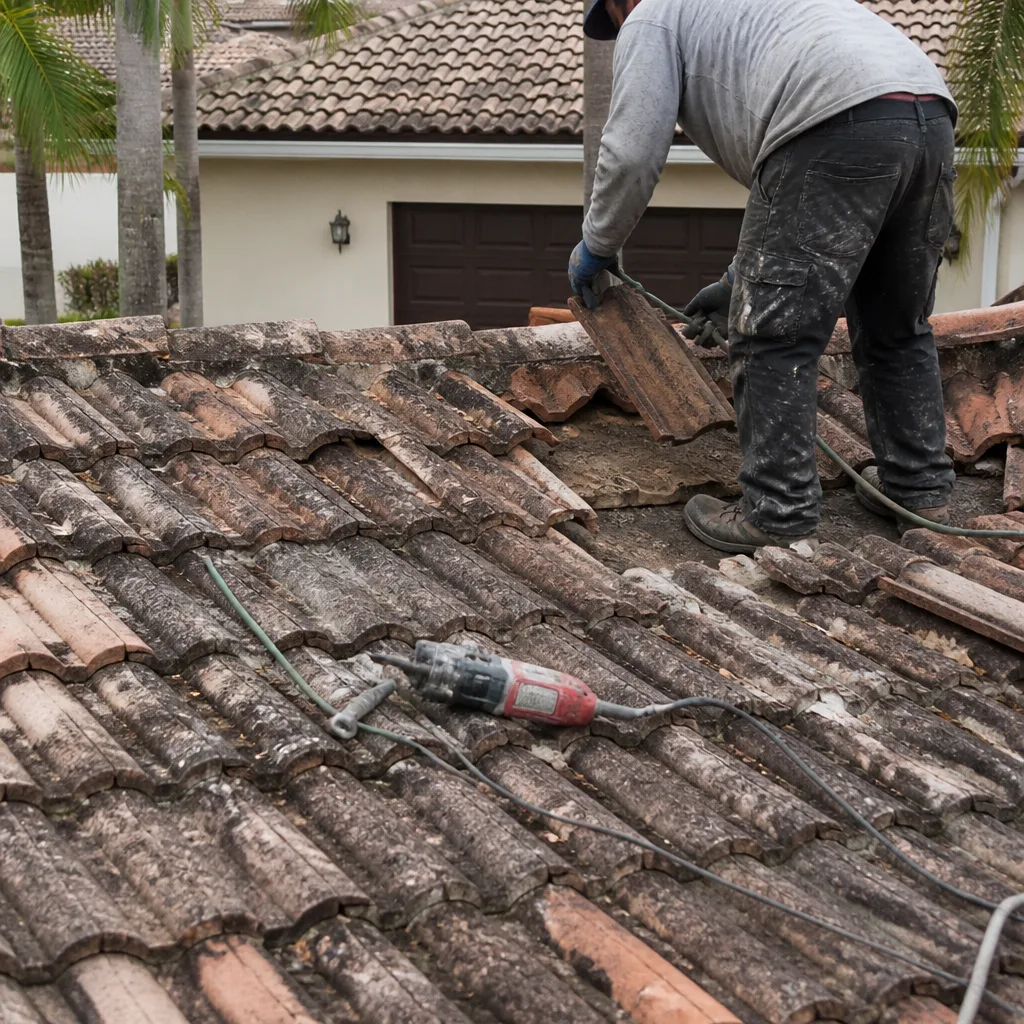 Before
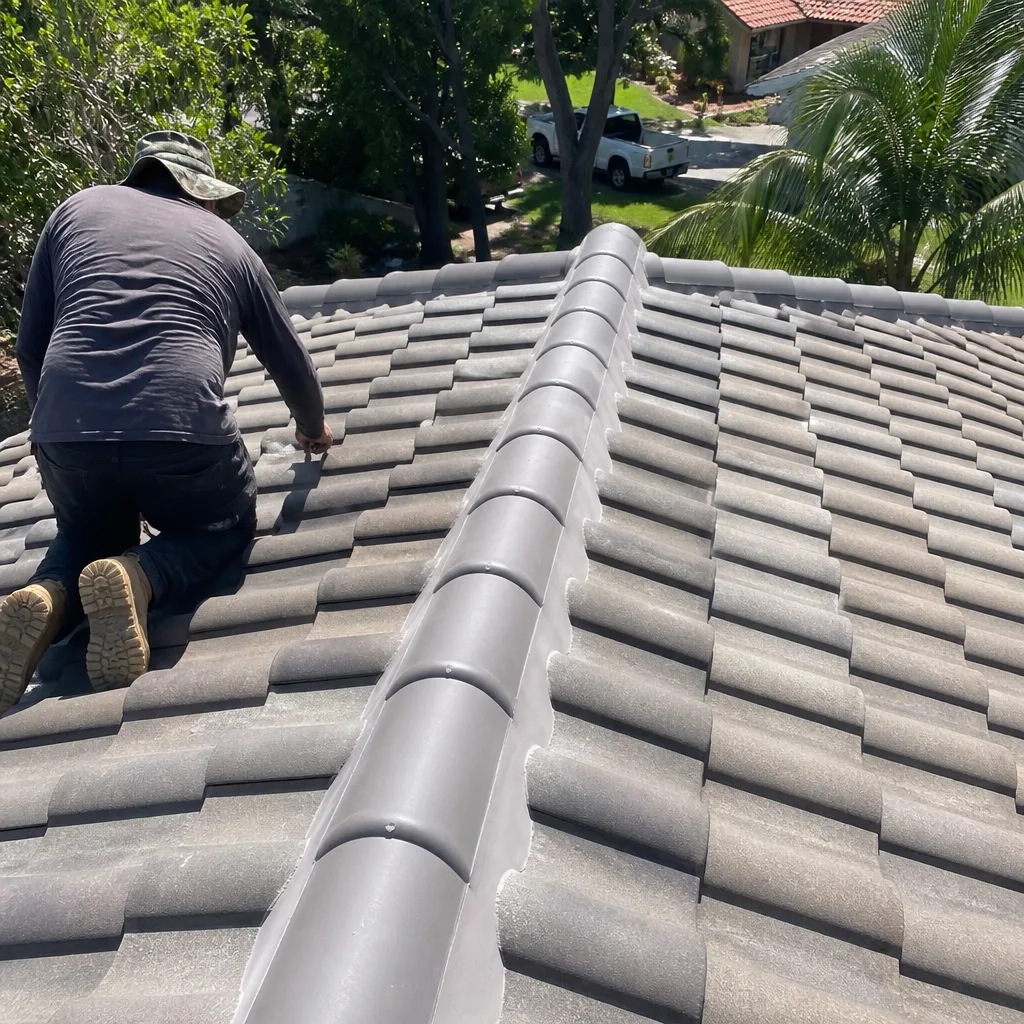 After
After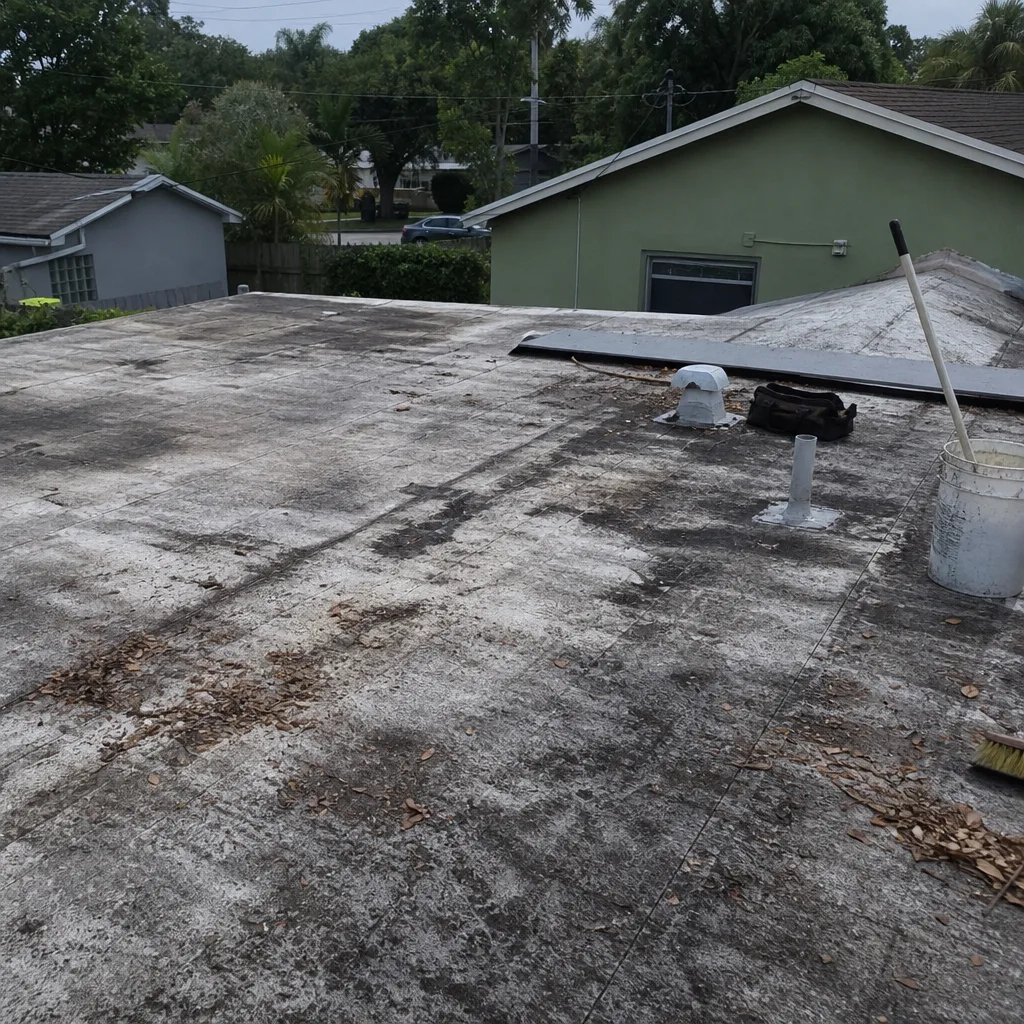 Before
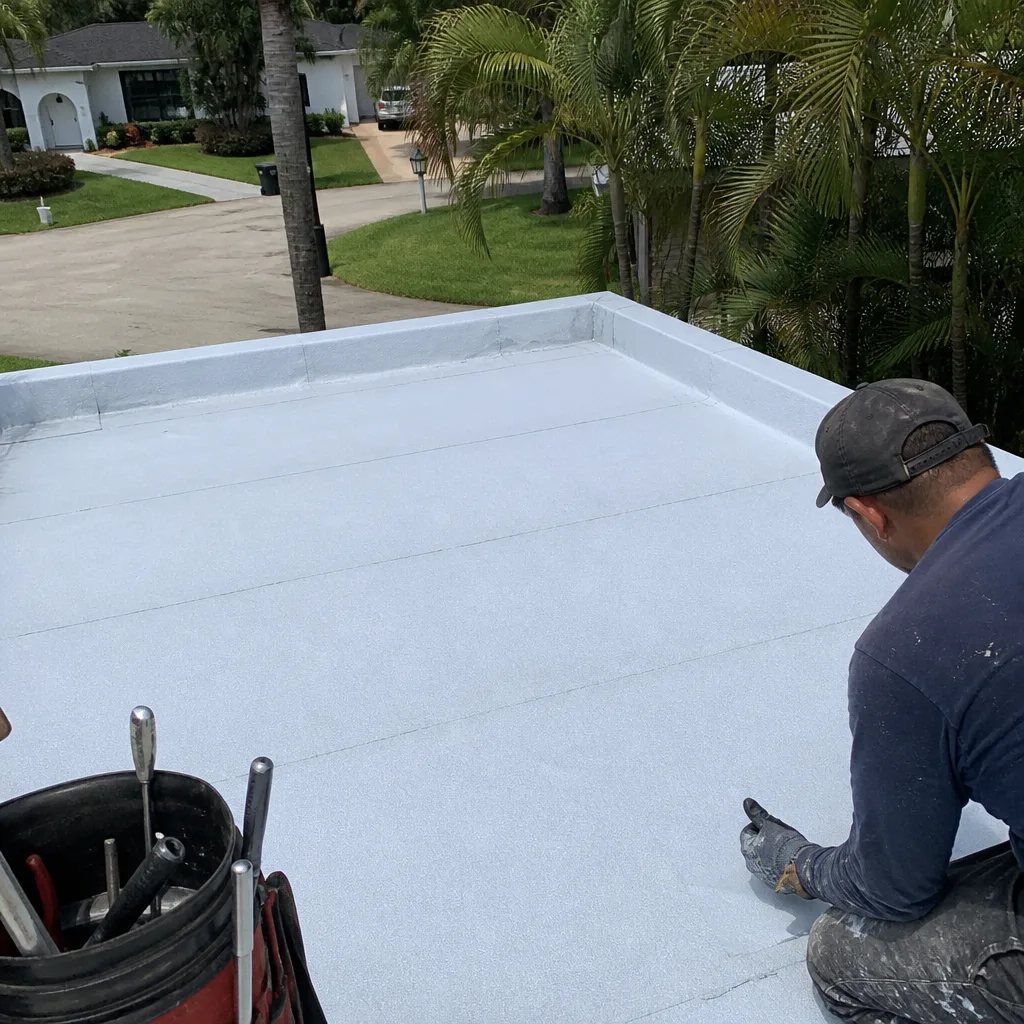 After
After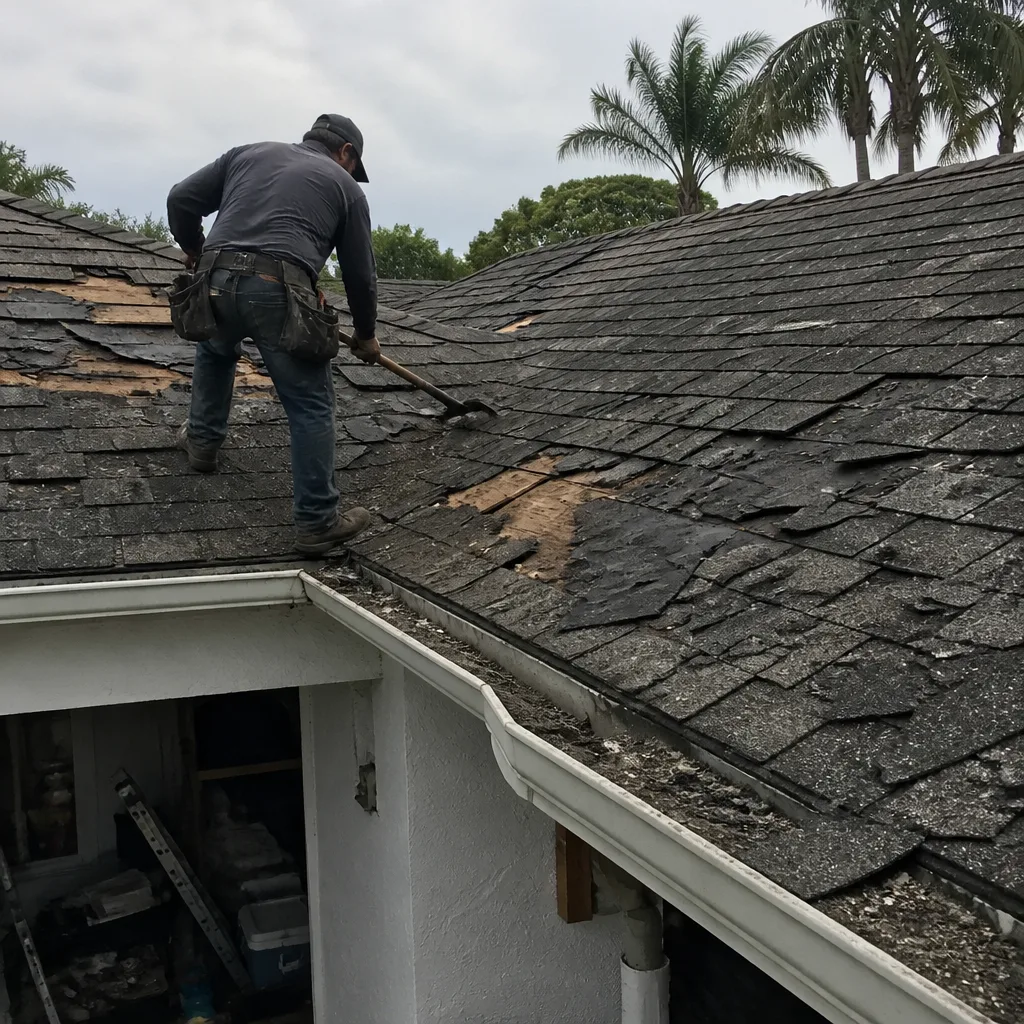 Before
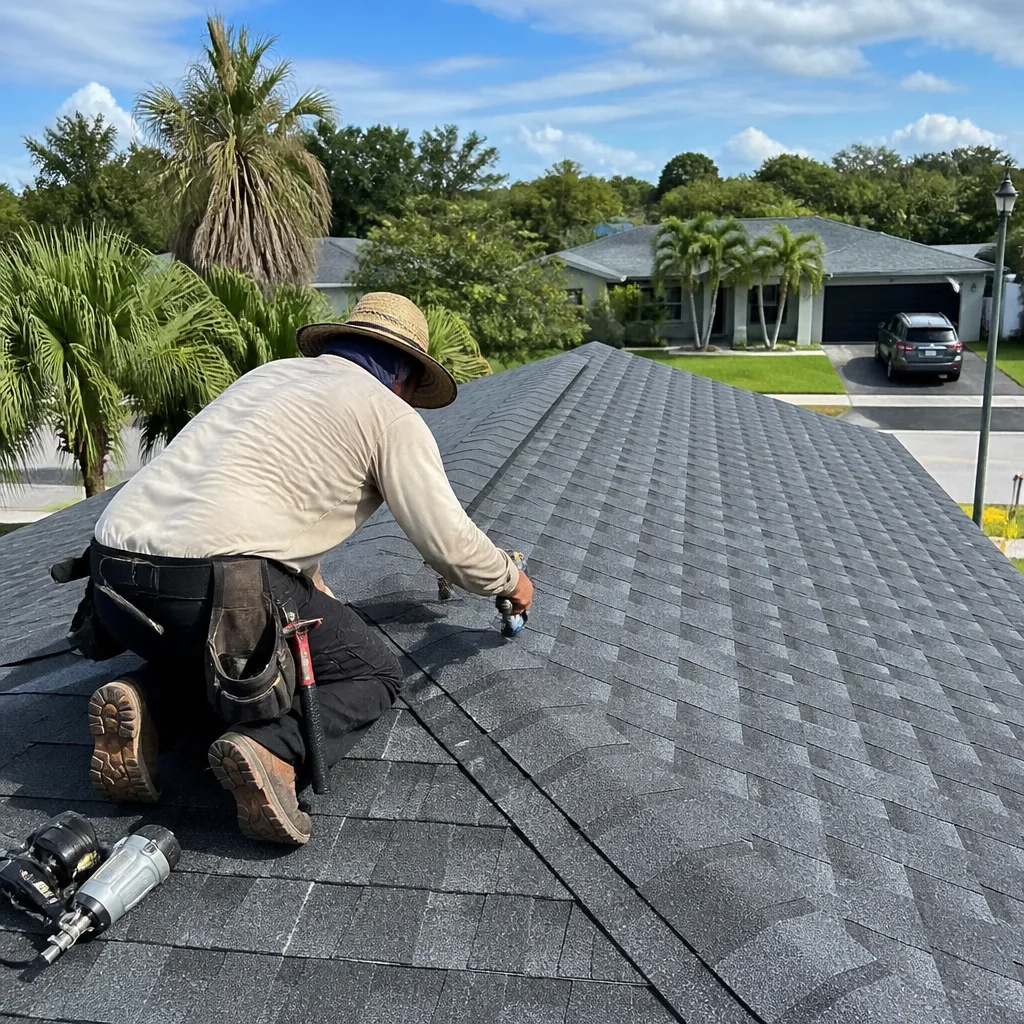 After
AfterWhen to Call a Professional
If you’re buying or selling a home in Fort Lauderdale and the roof history is unclear, call a roofing contractor who knows Broward County code to inspect the roof and check the permit record. If you’ve been told by an insurance company that your roof doesn’t meet code, call before you make any repairs so the proper permitting process is followed from the start. If you inherited an open permit from a previous owner, don’t ignore it. A licensed roofer can help you understand what’s required to close it. If you’re planning a reroof and want the permit, inspections, and code compliance handled correctly, Mercer Roofing Co Fort Lauderdale offers free estimates in Fort Lauderdale, call (754) 354-1224. Every estimate includes a written line-item price before any work starts.
Frequently Asked Questions
Yes, a full reroof always requires a permit in Fort Lauderdale. The permit must be pulled through the appropriate jurisdiction, typically the city or Broward County depending on the address, and the work must pass both a dry-in and a final inspection. Repairs covering less than 25% of a roof plane may not require a permit, but any structural work or decking replacement does. Call (754) 354-1224 if you’re unsure whether your project needs one.
Roofing permit fees in Broward County typically range from $150 to $600 depending on the project’s valuation, square footage, and the specific municipality. Fort Lauderdale’s fee schedule is based on the estimated job cost, so the permit fee on a large reroof will be higher than on a small repair. Your written quote should include the permit fee as a line item.
An HVHZ inspection in Broward County checks that the roof deck is attached per code, the underlayment meets the HVHZ standard, the flashing is installed correctly, and the finished roof covering is fastened to the required pattern. The dry-in inspection covers the deck and underlayment. The final inspection covers the completed roof. Both must pass before the permit is finaled.
You can, but the unpermitted roof will likely surface during the buyer’s inspection or appraisal, and it can reduce the sale price, delay closing, or force you to re-roof before the sale goes through. Fort Lauderdale buyers and their inspectors increasingly check Broward County’s ePermits portal. An unpermitted roof is one of the most common deal-killers in Broward County real estate.
Florida insurers are increasingly denying or reducing claims on unpermitted roofs. If the roof wasn’t installed under a permit, the insurer can’t verify it was built to code, and they may argue the damage is due to improper installation rather than the covered event. This is a growing pattern in Broward County and one of the most expensive consequences of skipping a permit.
A straightforward reroof permit in Fort Lauderdale typically takes one to two weeks from application to issuance, assuming the submittal is complete and the materials have current Florida product approvals. More complex jobs, or homes in historic districts like parts of Sailboat Bend or Colee Hammock, may take longer. Your contractor should be able to tell you the expected timeline before work starts.
The Bottom Line
Florida’s roofing permit system is three layers deep: the state code sets the floor, Broward County’s HVHZ amendment raises it significantly, and Fort Lauderdale’s building department enforces both. The permit isn’t optional for most roof work, and skipping it can cost you an insurance claim, a home sale, or the full price of a re-roof. The checks that matter most are simple: pull the right permit, pass the dry-in and final inspections, keep the finaled permit, and put every code requirement in writing before work starts. Done that way, a Fort Lauderdale roof is an asset, not a liability. For more guides & resources, visit our blog.
For a roof that’s permitted, inspected, and installed to Broward County’s HVHZ standard, Mercer Roofing Co Fort Lauderdale is the roofing company that puts everything in writing, uses manufacturers like GAF, CertainTeed, and Owens Corning, and sends a background-checked, photo-badged technician whose name you know before they arrive. Call (754) 354-1224 for a free estimate.
Written by Grant Whitlock, Owner at Mercer Roofing Co Fort Lauderdale, serving Fort Lauderdale since 2000.