
Last updated October 17, 2026
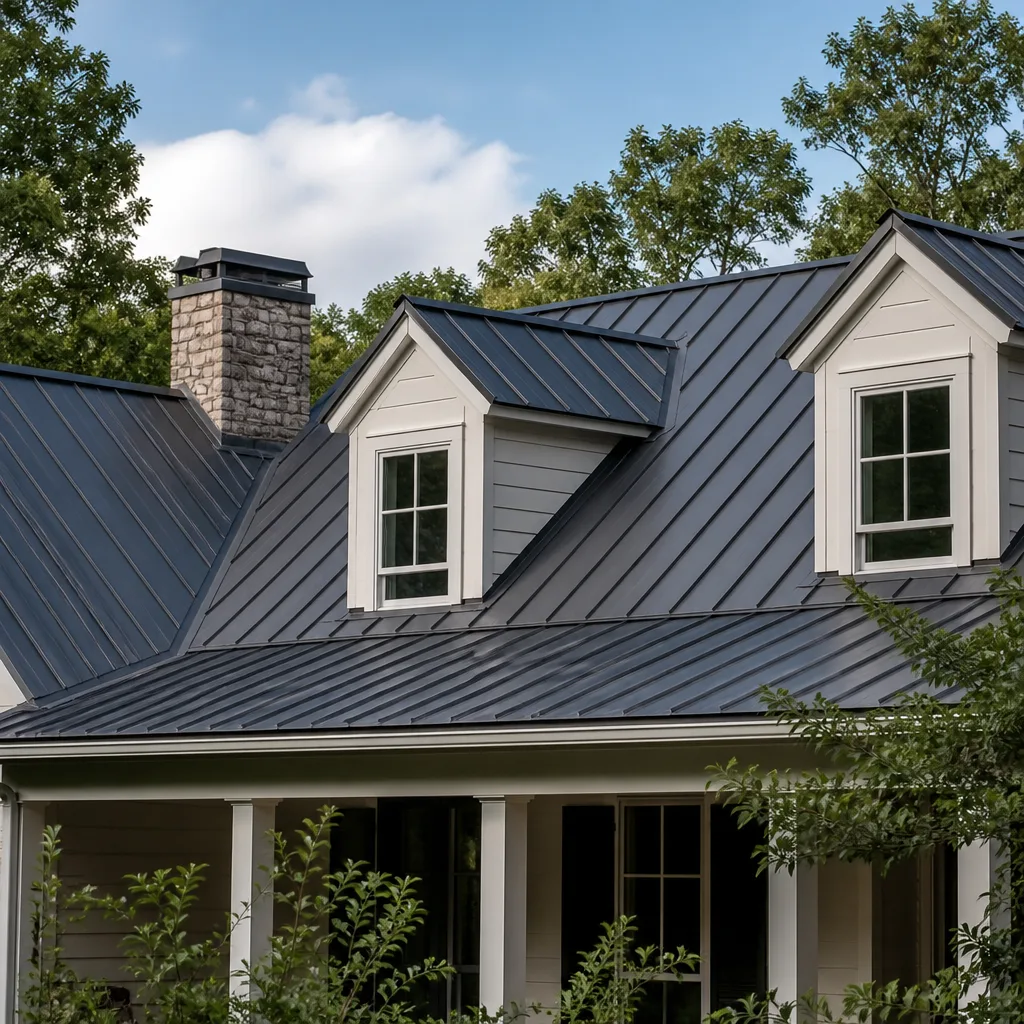 Metal roofing
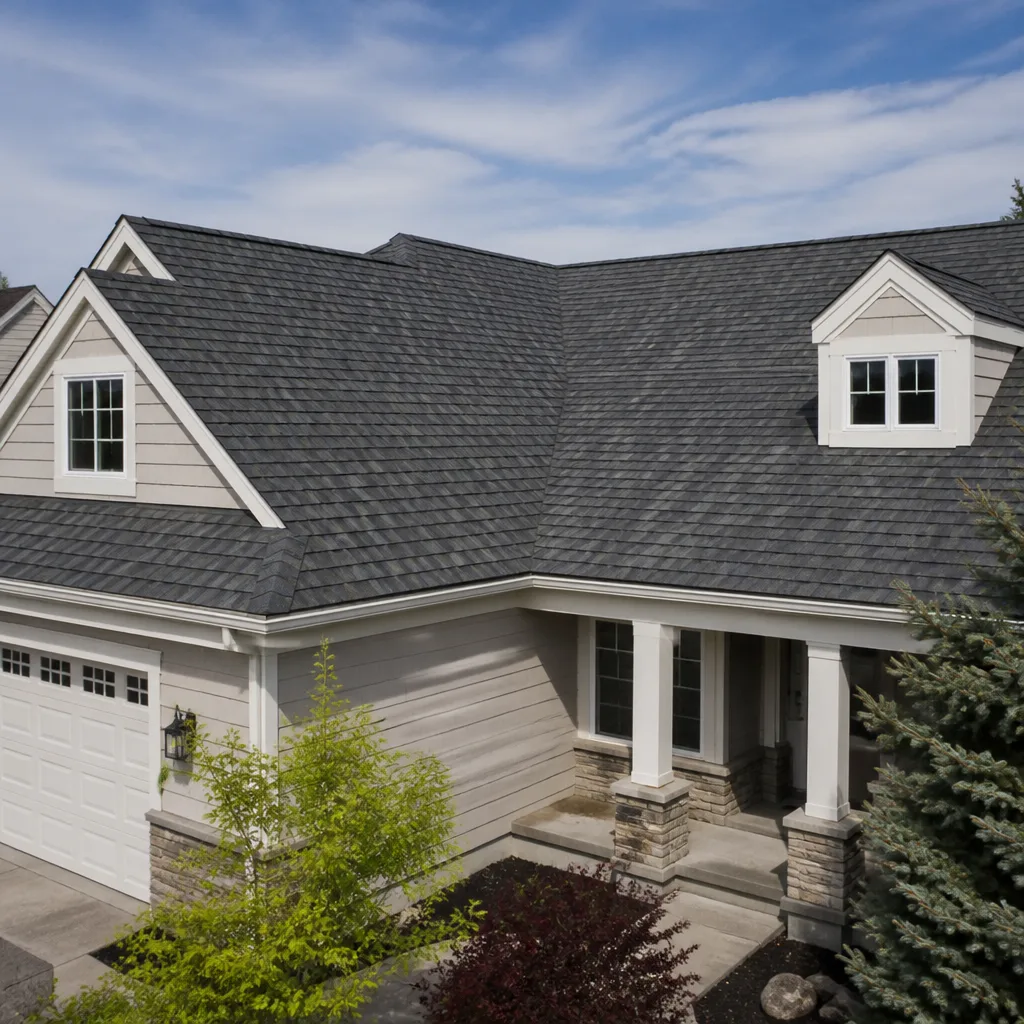 Architectural shingles
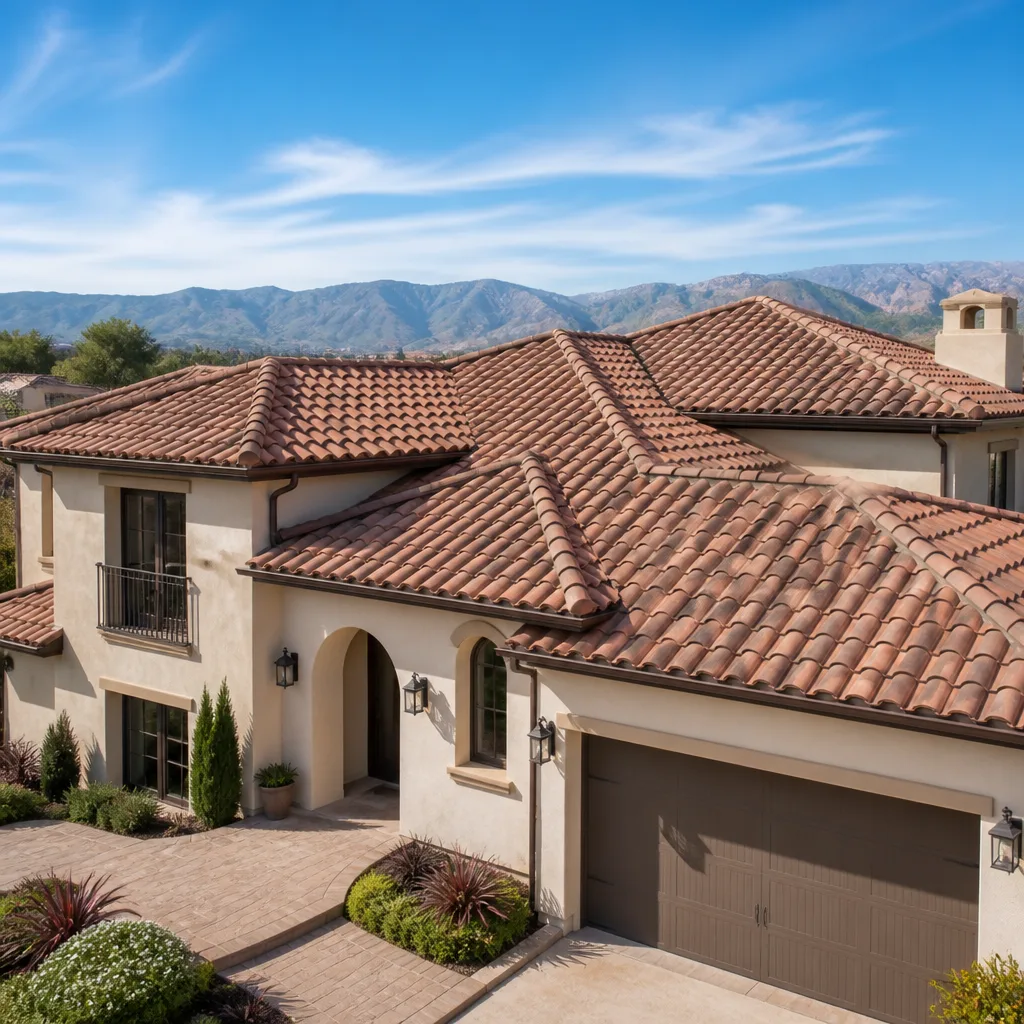 Tile roofing
 GAF
GAF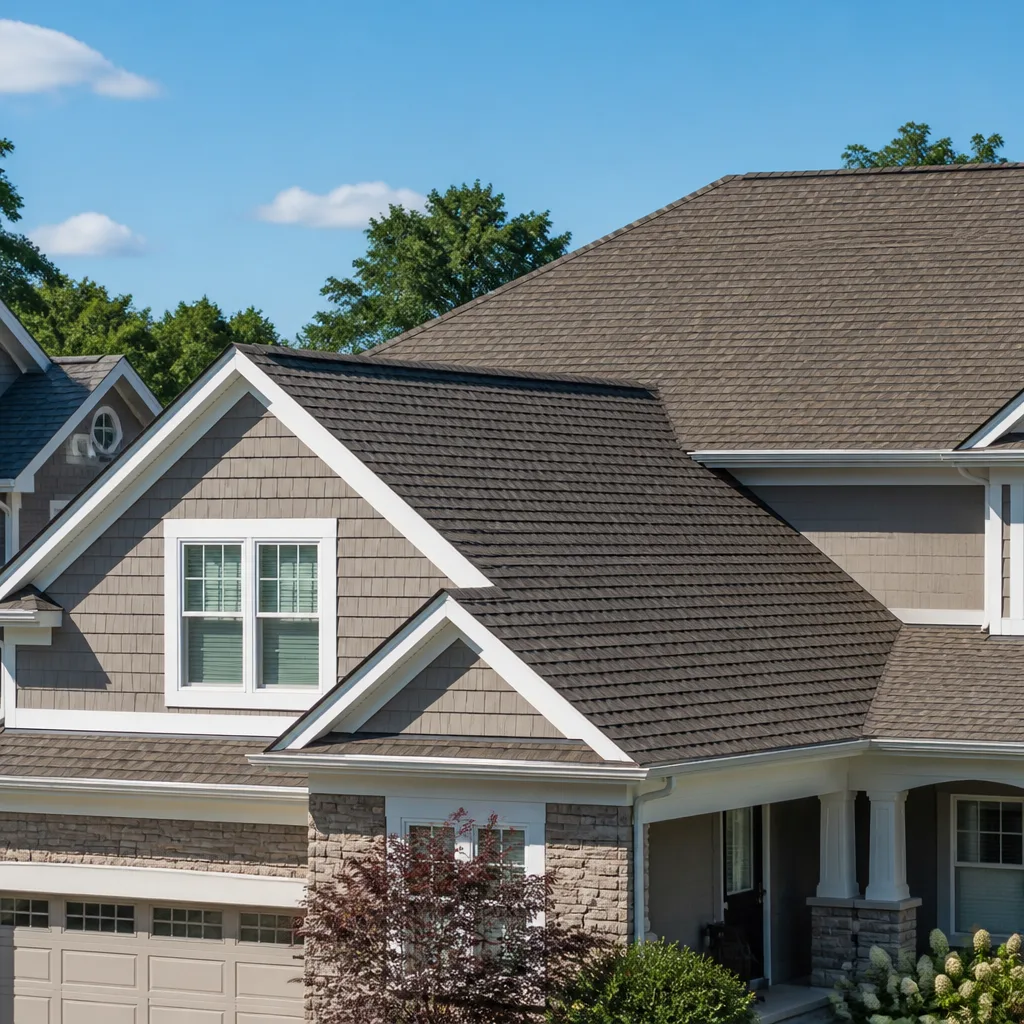 Owens Corning
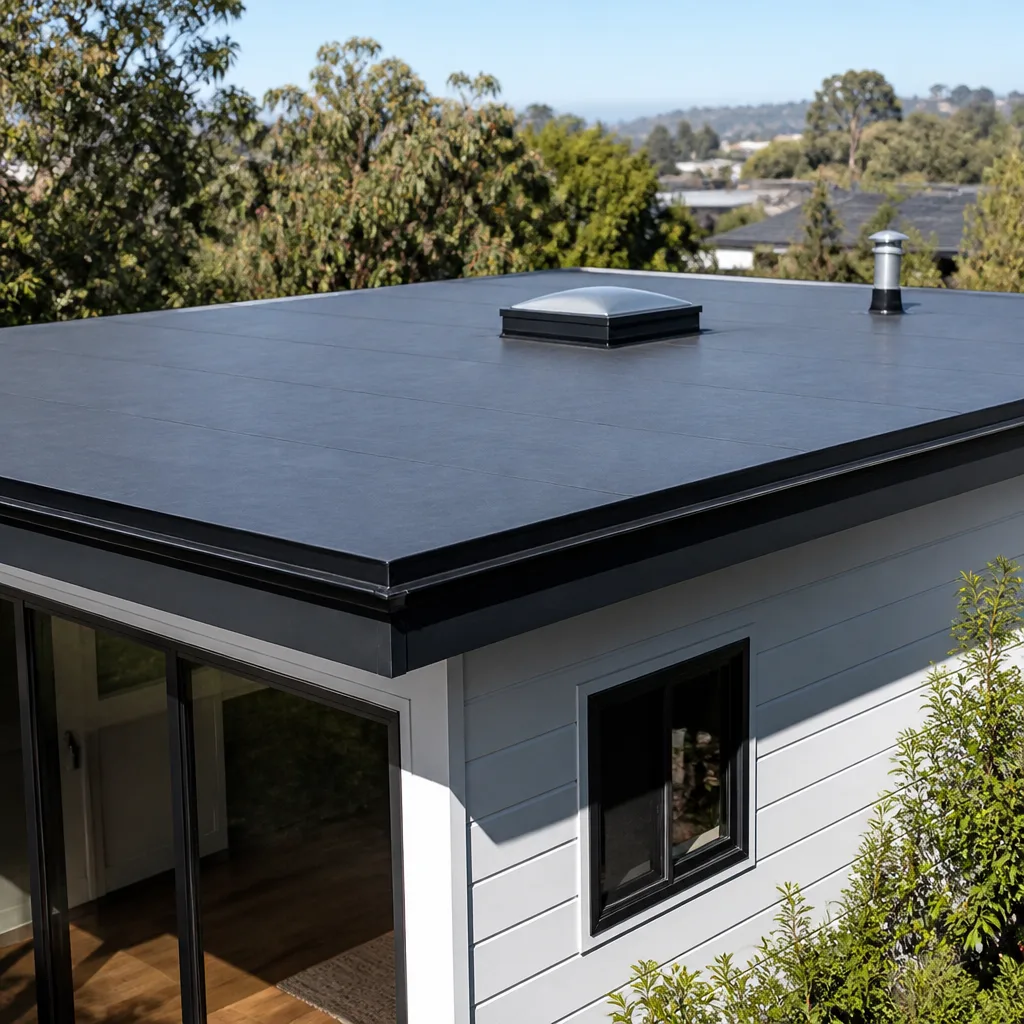 Flat & low-slope
Free roof inspection with deck photos before we talk money - GAF and Owens Corning certified installation
Roofing Warning Signs: A Fort Lauderdale Homeowner’s Reference Guide
Granule loss in a gutter looks like harmless sand. It isn’t. Under Fort Lauderdale’s UV intensity, a shingle that has shed 30% of its granules has already lost more than half of its remaining lifespan. The roof above you is degrading faster than the one on the same house in Atlanta or Charlotte would, because heat, humidity, and salt air work as an accelerant. This guide covers the warning signs specific to Fort Lauderdale roofs, the ones that don’t announce themselves with a bucket in the hallway, and what to do when you spot them. By the time you finish, you’ll know how to read your roof the way a diagnostician reads symptoms.
Quick Answer
The most important roof warning signs for a Fort Lauderdale homeowner are the quiet ones: algae streaking that indicates granule loss beneath, lifted flashing at AC curbs, blistering on flat roof membranes, and attic signals like moisture staining or daylight at the eaves. Any of these means water or UV degradation is already working. Call a roof repair professional in Fort Lauderdale when you spot them, before a ceiling stain tells you the water already won.
Styles & brands we work with
Table of Contents
- Three Fort Lauderdale-Specific Warning Signs Most Guides Skip
- Reading Your Attic as a Diagnostic Tool
- Signs a Previous Contractor Used Non-HVHZ-Compliant Materials
- Algae: Cosmetic Staining vs. Structural Degradation
- How to Document and Timestamp Warning Signs for Insurance
- Common Mistakes to Avoid
- When to Call a Professional
- Frequently Asked Questions
Three Fort Lauderdale-Specific Warning Signs Most Guides Skip
Most roofing articles list the same five signs: missing shingles, curling edges, water stains, sagging, and granules in the gutter. Those are real, and we cover them below. But there are three warnings specific to Fort Lauderdale that you won’t find on a generic checklist, because they come from the way our climate attacks roofs that are otherwise perfectly installed.
1. Blistering patterns on modified bitumen flat roofs. If your home has a flat or low-slope section, common in mid-century Fort Lauderdale neighborhoods like Coral Ridge and Rio Vista, it’s almost certainly covered with a modified bitumen membrane. Under sustained heat, moisture trapped within the asphalt layer vaporizes and pushes upward, forming small bubbles or blisters on the surface. These start as cosmetic pimples. Once they pop, the membrane is open to water intrusion. What makes this a Fort Lauderdale problem is our summer afternoons, which hit the mid-90s regularly, combined with heavy humidity. The membranes on Fort Lauderdale flat roofs can hit 160 degrees on a summer afternoon. Blistering happens much faster here than in drier or cooler climates. If you see what looks like a rash across your flat roof surface, the membrane’s days are numbered.
2. Lifted flashing at AC curbs. Nearly every Fort Lauderdale home has a rooftop air conditioning unit on a raised curb. The flashing that seals the curb to the roof membrane is the single most common point of failure we find on inspections, and almost nobody looks at it. Hurricane ties and the vibration from a running condensing unit cause the fasteners holding that flashing to work loose over time. Salt air accelerates corrosion on the metal itself. The visual clue is a gap between the flashing and the curb, often visible from a ladder without stepping onto the roof. If the flashing has pulled away even a quarter inch, water is already getting underneath during afternoon thunderstorms, which is every afternoon from June through September.
3. Algae streaking that signals granule loss beneath. The black or dark-green streaks running down roof slopes are a familiar sight on roof installations throughout Fort Lauderdale. Most homeowners dismiss them as cosmetic, and sometimes they are. But in our climate, algae’s root structure grips the shingle granules and loosens them. When you see streaking, run your hand across a shingle at the eave line. If granules come off like sand, the algae has already begun destroying the UV protection those granules provide. A shingle with the streaks and the granule loss is on an accelerated clock, because the algae has breached the surface and UV is now cooking the asphalt mat directly.
Each of these three signs is easy to miss if you’re not looking for them specifically. Together, they account for a meaningful share of the roof failures we replace every year in Fort Lauderdale, failures that happened quietly long before the leak showed up on the living room ceiling.
Reading Your Attic as a Diagnostic Tool
Your attic is the closest thing to a vital-signs monitor for your roof, and it reports trouble earlier than any interior ceiling. A Fort Lauderdale attic is also hot enough that most people avoid it, which means damage advances unwatched. Here is exactly what to look for, in order of severity.
- Moisture staining on the underside of the roof decking. Look up. If you see dark, water-stained plywood or OSB, especially around protrusions like vents, chimneys, and AC curbs, water is entering at those points. In a Fort Lauderdale attic, the heat bakes the wood dry between rains, so staining is often faint. Don’t wait for a drip, because in our climate the roof deck can absorb and evaporate water repeatedly, hiding the leak for months. Staining is active or recent infiltration.
- Daylight at the eaves or ridge. In a properly sealed attic, no outside light enters except through vents. If you can see slivers of daylight at the eaves or along the ridge line, the roof’s edge seal has failed. This lets in wind-driven rain during tropical storms, the kind that doesn’t fall straight down. Fort Lauderdale’s storms drive rain sideways, so a small eave gap matters more here than in most of the country.
- Compressed or darkened insulation. Insulation that looks flattened, matted, or discolored toward the top has absorbed water. Fiberglass and cellulose both lose R-value permanently when saturated, even after drying. This is an early warning sign for a leak that has been active and may still be. The source is usually directly above the compression.
- Rust on exposed fasteners or nail tips. The underside of your roof deck has thousands of nail tips poking through. Surface rust on many of them is normal in a humid coastal climate. But heavy, scaling rust or rust that has stained the wood around the nail is a signal that moisture has been present repeatedly. In a Fort Lauderdale attic, this often indicates humidity buildup from insufficient ventilation rather than a roof leak. Either way, it points to a ventilation deficiency that will shorten shingle life.
- A damp or musty smell. It sounds too simple, but an attic that smells like a closed-up garage in August has a moisture problem, full stop. Fort Lauderdale’s humidity is over 70% most of the year, and a roof with poor ventilation traps that moisture against the decking. The result is premature shingle failure from the underside, a failure mode that shows no signs on the roof surface until the shingles begin to cup and crack.
The pattern that matters most: moisture signs in the attic almost always precede visible interior leaks by months. By the time water reaches the drywall, the roof deck underneath may already need repair. Attic inspections are free, they take fifteen minutes, and in our experience as the roofing company in Fort Lauderdale that handles these failures daily, they’re the highest-value check a homeowner can do.
Signs a Previous Contractor Used Non-HVHZ-Compliant Materials
South Florida sits in a High Velocity Hurricane Zone, the strictest building code for roofing in the continental United States. The HVHZ code governs every component from fastening pattern to adhesive type. When a contractor cuts corners, the evidence is often visible on the roof’s surface, and a Fort Lauderdale homeowner who knows what to look for can spot it during a basic visual inspection. Here are the telltale signs we encounter most frequently on roofs we’re called to repair or replace.
Fastener pattern too sparse. HVHZ fastening requirements are specific: a certain number of nails per shingle, placed in a specific pattern, at specific distances from the edges. When a contractor uses too few nails per shingle, the shingles can lift and flutter in wind. The visual sign is shingles that have begun to cup, curl, or lift at the corners despite being relatively young. A flat, well-fastened shingle shouldn’t lift in a 40-knot gust. Lifting corners on a recent roof are a red flag that the fastener count is off.
Non-rated shingles on a wind-rated requirement. HVHZ requires shingles rated to meet specific wind uplift standards. We work with warranty-backed brands like Owens Corning and IKO for roof repairs in Fort Lauderdale because the manufacturer’s wind rating is documented. If you’re looking at a roof and the shingle pattern shows breakage at the nail line, or the shingles have torn off in straight lines rather than random points, that suggests the material itself couldn’t take the load. A shingle that fails structurally at the fastener is not HVHZ compliant for this region.
Improper underlayment condition at the eaves. The underlayment beneath the shingles is required to meet specific water-resistance ratings. At the eaves, it should be visible only as a secondary layer behind the drip edge. If you can see underlayment that has wrinkled, bubbled, or deteriorated at the roofline, it’s either the wrong material for a coastal climate or it was installed incorrectly. In Fort Lauderdale, the eave is the first place wind-driven rain strikes, so a bad underlayment there compromises the whole roof.
Rusted or missing clips at the ridge. Ridge cap shingles in HVHZ applications require proper attachment, often including additional mechanical fastening beyond what’s used mid-slope. If the ridge cap is lifting or if you see rusted fasteners where cap pieces meet, the attachment method is suspect. This is a high-risk spot because ridge caps take the full brunt of wind uplift during a storm.
None of these signs requires getting on the roof to identify. A pair of binoculars from the yard covers most of it. The reason this matters is practical: if a prior contractor installed a non-compliant roof, the failure is usually invisible to the homeowner until a storm rips a section off, and by that point the repair is an emergency with emergency pricing. A visual audit now is cheaper.
Algae: Cosmetic Staining vs. Structural Degradation
Algae is the most misunderstood roof condition in Fort Lauderdale. Here’s the core distinction: cosmetic algae staining is a surface issue that affects appearance, while structural algae growth has begun degrading the mat beneath the granules. One is a good target for zinc strips and gentle cleaning. The other is a countdown to shingle failure.
Cosmetic staining looks like this: dark streaks running down the roof slopes, usually more prominent on the north-facing and tree-shaded sections. When the roof is dry, the granules are still firmly embedded, and if you run a hand over the stained area, nothing comes off. The algae here is living on the limestone filler in the shingle, feeding on the mineral content. The shingle’s structural integrity is intact. In this state, a Fort Lauderdale roof installation professional may recommend zinc or copper strips at the ridge, which release ions during rain that suppress algae growth. No roof replacement is needed.
Structural algae growth looks different up close. The staining is thicker, often crusty or raised rather than a flat streak. Running a hand across the surface brings away granules like sand at the beach. The algae’s root structure has penetrated the shingle’s surface and is working through the asphalt mat underneath. Once the mat is exposed, Fort Lauderdale’s UV intensity cooks the shingle from above while moisture attacks from below. These shingles crack, cup, and eventually lose adhesion entirely. The failure mode is accelerated by our climate in a way that a homeowner from a milder region might not expect.
The line between cosmetic and structural is blurry, and the only way to know for sure is to have someone look at it who can distinguish staining from mat degradation. If you catch it at the cosmetic stage, the remedy is cheap. If you wait until the granules are falling, the roof has already lost years of life. In Fort Lauderdale, where shingle aging is accelerated, a five-year delay on algae can be the difference between a repair and a full replacement.
How to Document and Timestamp Warning Signs for Insurance
Insurance claims in Fort Lauderdale often come down to one question: when did the damage happen? If you’re filing a claim for storm damage, the insurer will look for any reason to argue the damage pre-dated the covered event. A homeowner who has documented warning signs with dated photos is in a fundamentally stronger position than one who calls their agent after the rain stops and says the roof just failed. Here’s the protocol we recommend to every Fort Lauderdale homeowner we work with.
- Photograph every warning sign the day you notice it. Use your phone, but name the files with the date and location. “Garage-eave-granule-loss-10-28.jpg” is stronger evidence than “IMG_4837.jpg.” The date in the filename creates a searchable record even if the file’s metadata is challenged.
- Take both close-up and context shots. A photo of granule loss in a gutter means nothing without a second photo showing which gutter and which roof slope. The context shot establishes that the close-up is your roof, not a stock image of someone else’s problem.
- Retake the same photos after every major storm. Fort Lauderdale gets hit by passing storm bands even when no named storm makes landfall. Having a dated series showing the same flashing intact in March and lifted in September proves the damage occurred during a covered window.
- Save the photos to cloud storage with the original date. Insurers and adjusters look for signs that photos were altered or backdated. A cloud timestamp from the day you took the photo is the cleanest version of that proof.
- Do not make temporary repairs without photographing the damage first. If you tarp a roof section or apply a patch, document the damage in its original state before you touch anything. Once covered, the evidence is gone.
- Share the documentation with your roofer before the adjuster arrives. A contractor who can point to the dated series and say “this is the failure sequence” makes the adjuster’s job harder to deny. We’ve done this for Fort Lauderdale homeowners many times, and the documented case is always the easier case.
This process takes ten minutes per event and costs nothing. It is the single highest-leverage thing a homeowner can do to protect their claim before damage becomes a crisis.
Common Mistakes to Avoid
- Assuming a new roof is problem-free. We inspect roofs in Fort Lauderdale that are two and three years old and already showing HVAC flashing gaps and fastener issues. New is not a guarantee of correct. A visual check in year two catches the installation errors before they become year-five leaks.
- Power-washing an algae-stained roof. High-pressure water strips granules and accelerates the structural degradation you’re trying to address. This mistake removes years from a roof’s lifespan in an afternoon. Never power-wash shingles.
- Ignoring granule loss in the gutter because it’s “normal.” Some granule loss is normal in the first year. Ongoing, accumulating granule loss year after year is not. If your gutter traps a quarter-inch of granules after every rain, the shingles are actively degrading.
- Using interior ceiling stains as the only leak detection method. By the time water reaches the drywall, the roof deck has been wet for months. Fort Lauderdale’s heat can dry the deck between storms, hiding the active leak. The attic finds it earlier.
- Filing an insurance claim before documenting the date and extent. Without a dated photo series, the claim is your word against the insurer’s adjuster. Document first, then call.
- Skipping an annual inspection because the roof “looks fine from the street.” Most of the failure points in this guide aren’t visible from the curb. The curb view is the least informative angle.
When to Call a Professional
Call a professional when you see any of the three quiet signs in this guide, when your attic shows moisture staining or daylight at the eaves, when granule loss is ongoing, or when a storm has passed and you can’t verify the roof from the ground. If a previous contractor’s work looks suspect, call before the next hurricane season, not after. Mercer Roofing Co Fort Lauderdale home offers free estimates in Fort Lauderdale and our technicians arrive with photo ID badges, their name and photo sent to you in advance. Call (754) 354-1224 to schedule a free estimate.
Frequently Asked Questions
The most common warning signs in Fort Lauderdale are algae streaking with granule loss, lifted flashing at AC curbs, blistering on flat roof membranes, and attic moisture staining. These are the signs that most often proceed a full roof leak in our coastal climate. Call (754) 354-1224 for a free estimate if you spot any of them.
Minor roof repairs in Fort Lauderdale, like sealing lifted flashing or replacing a few damaged shingles, typically run from $350 to $900 depending on access and materials. Larger repairs involving decking replacement or membrane work run higher. Call (754) 354-1224 for an exact written quote, before any work starts.
Algae alone does not mean replacement, but it can be either cosmetic or structural depending on whether granules are releasing. Cosmetic staining can be managed with zinc strips. Structural granule loss means the shingle’s mat is degrading and replacement is on the horizon. An inspection tells you which stage you’re in.
A Fort Lauderdale roof should be inspected at least once a year, ideally in early spring before hurricane season, and again after any major storm. Our climate degrades roofing faster than most of the country, so annual is the floor, not the ceiling. Call (754) 354-1224 to schedule a free inspection.
No. At Mercer Roofing Co Fort Lauderdale, the written price you receive before work begins is the price you pay. There are no change orders on our standard repairs unless you ask for additional work not in the original scope. You’ll never open an invoice to a surprise number.
Yes, permits are pulled and inspections are passed on every job in Fort Lauderdale that requires them. The HVHZ code is strict, and permitting is part of doing the job properly. Our written quote includes any permit fees, so the number you see is the number you pay.
The Bottom Line
The roof warning signs that matter most in Fort Lauderdale are the quiet ones, the algae streaks, the lifted flashing, the attic stains, and the granule sand in the gutter. These are the signs that appear months before water hits the drywall, and they’re the ones our climate accelerates. Catch them early, document them thoroughly, and the repair is manageable. Wait, and it’s an emergency. The free estimate at Mercer Roofing Co Fort Lauderdale is the cheapest diagnostic tool in your kit.
Written by Grant Whitlock, Owner at Mercer Roofing Co Fort Lauderdale, serving Fort Lauderdale since 2000.
See the difference
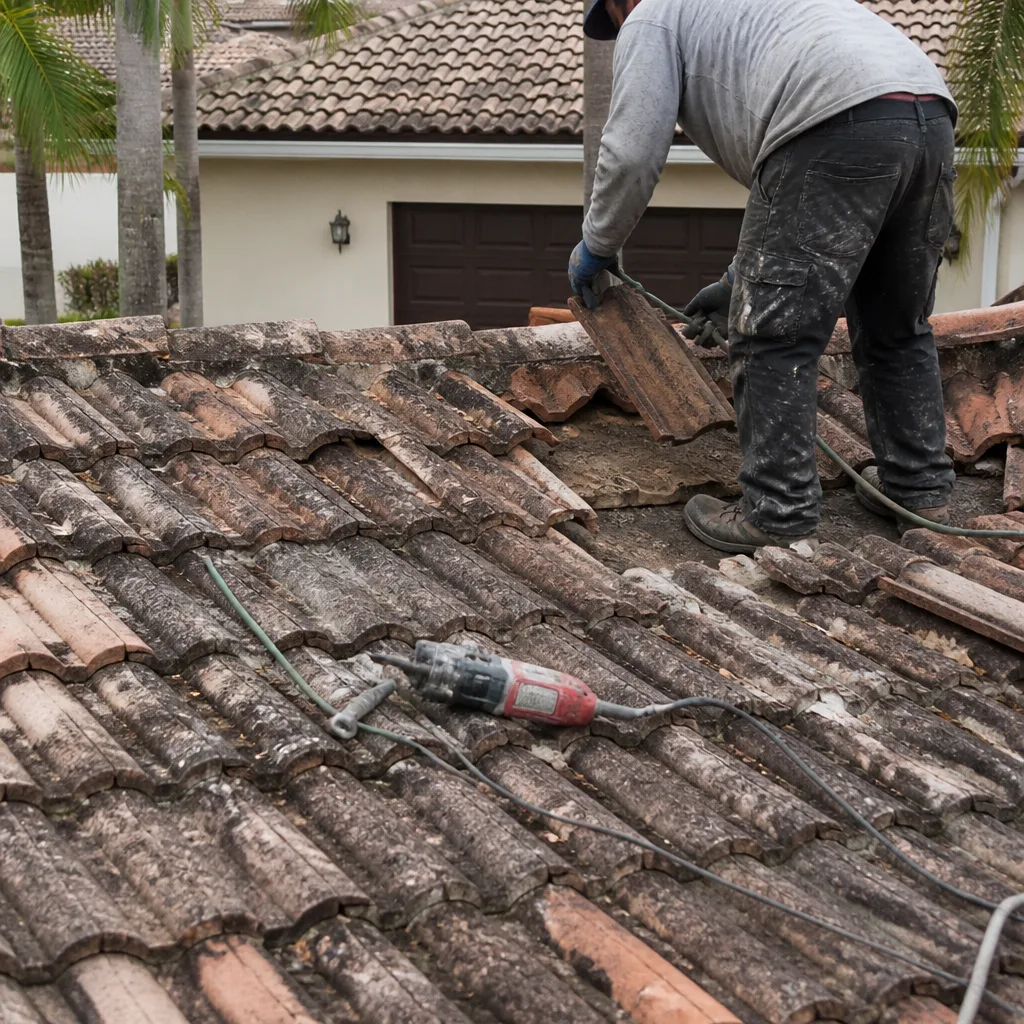 Before
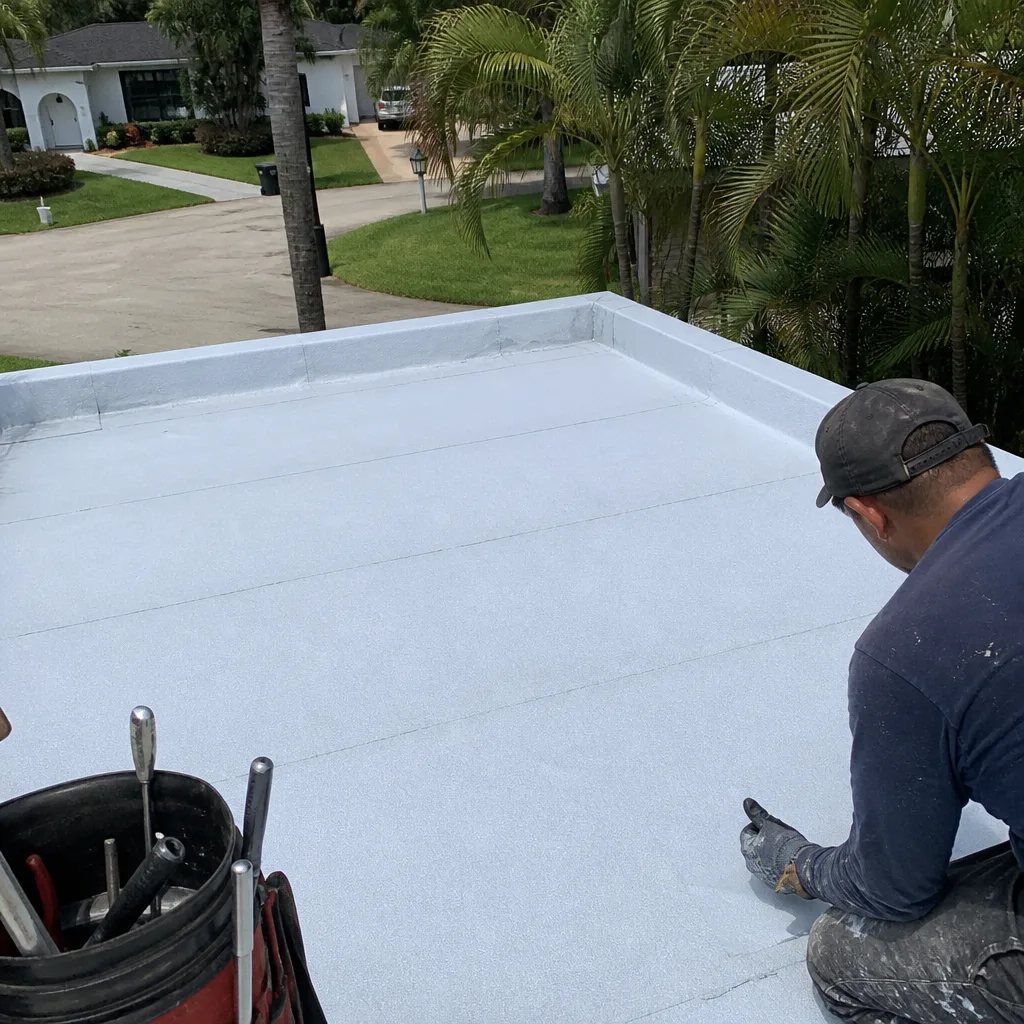
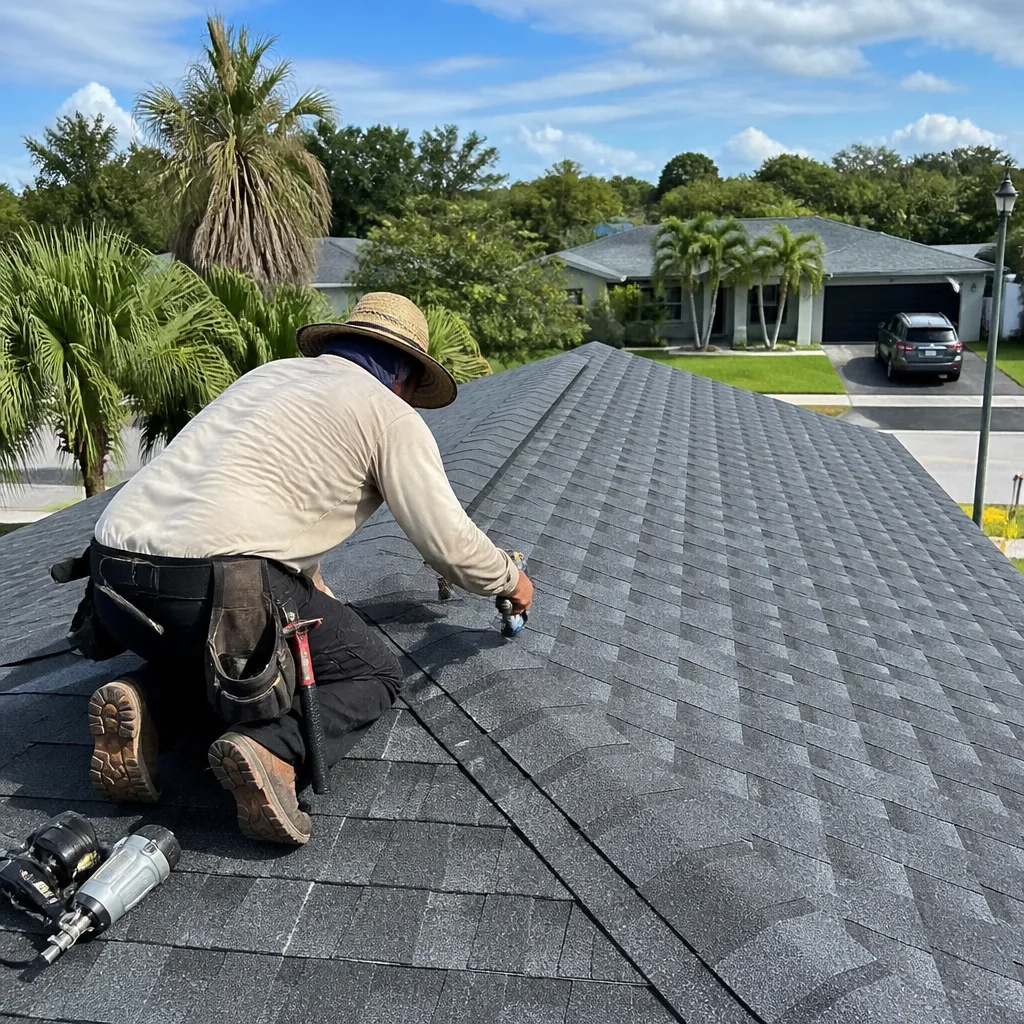
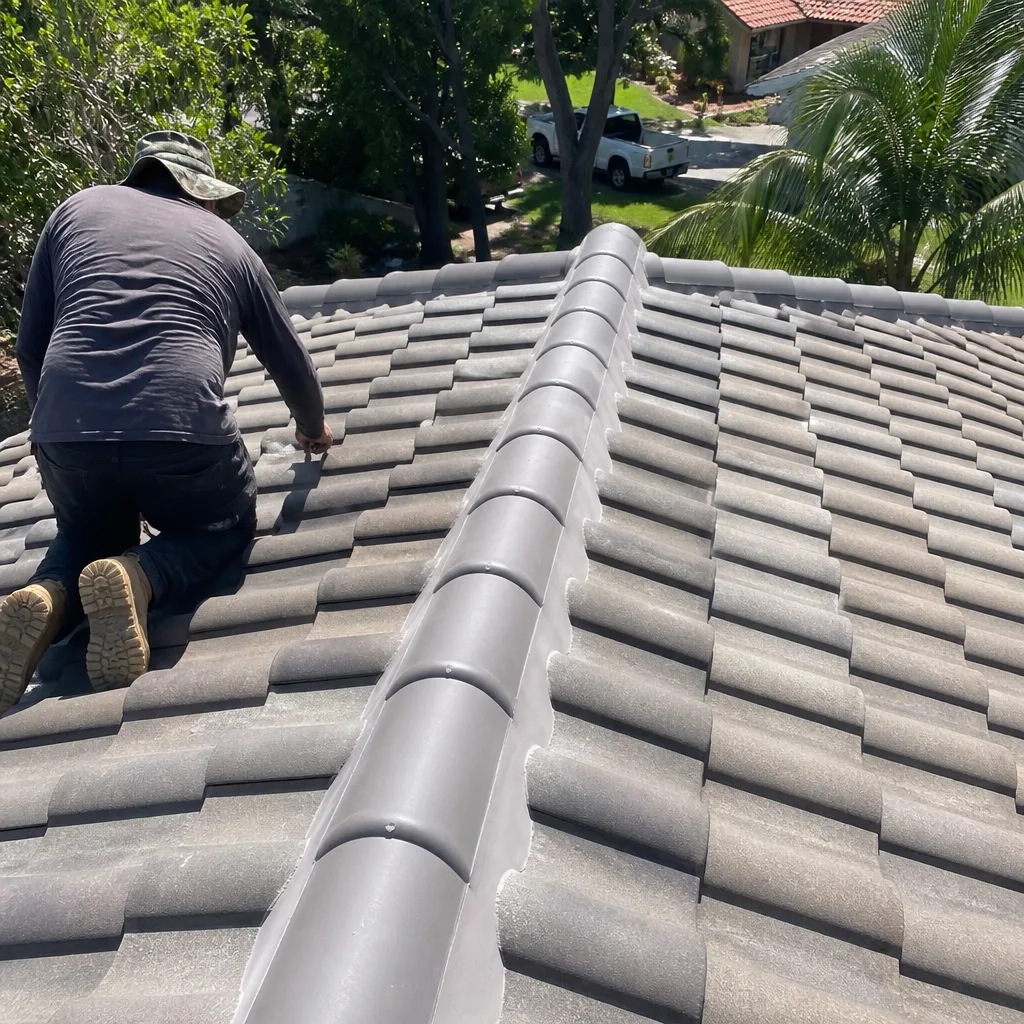 After
After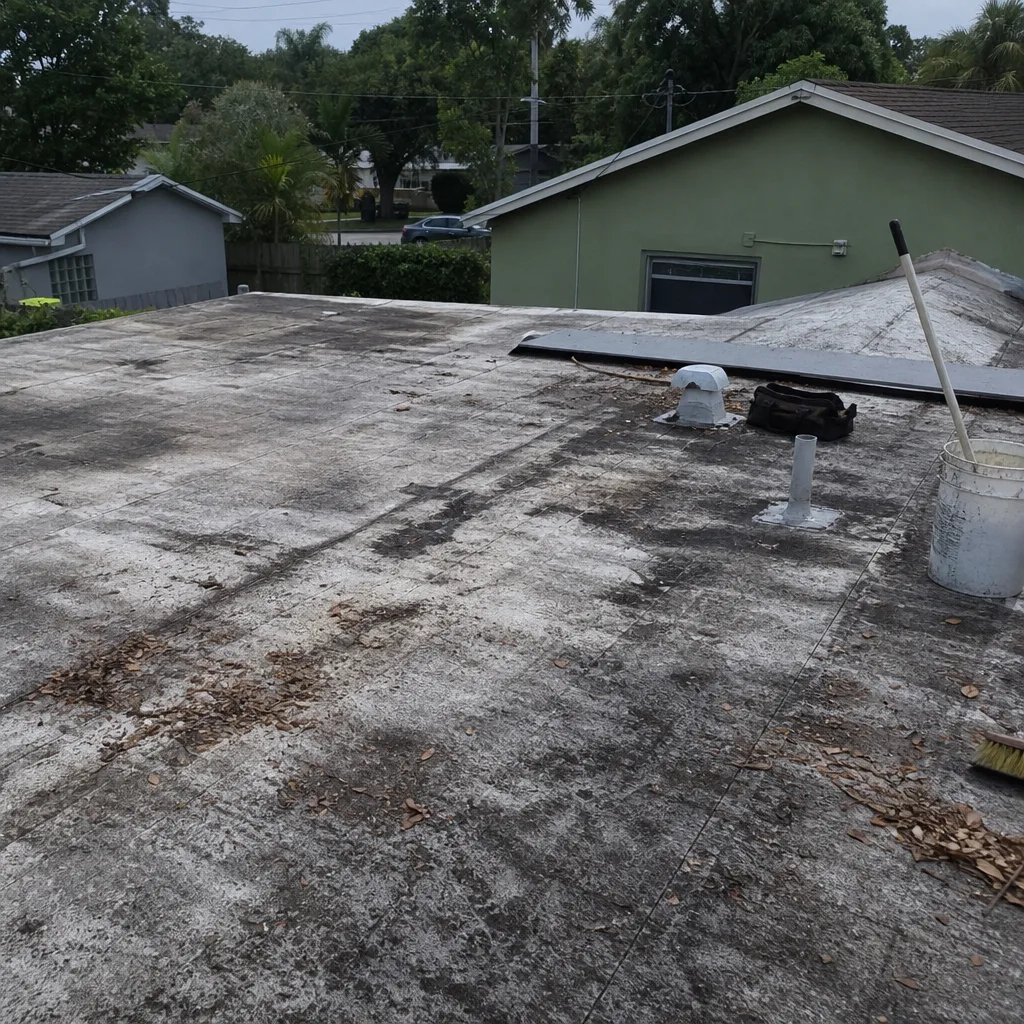 Before
 After
After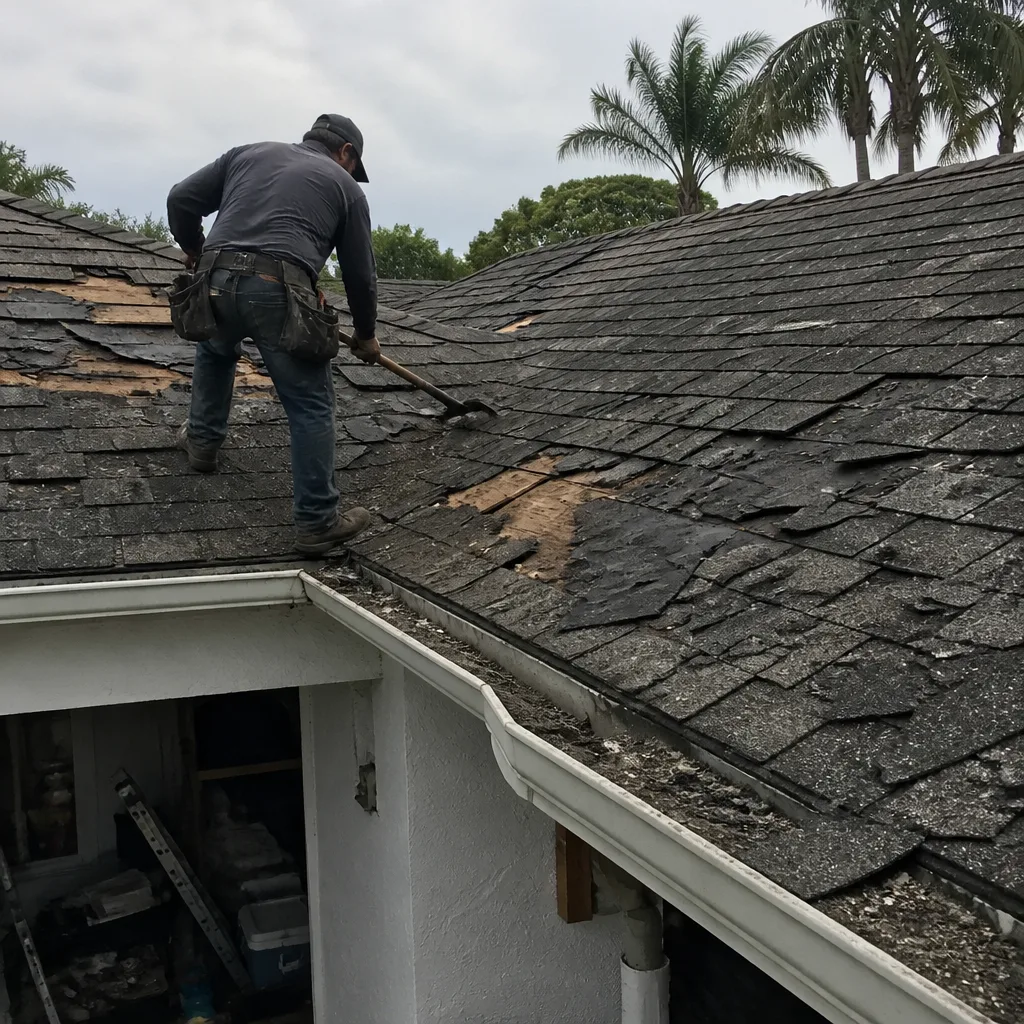 Before
 After
After