
Last updated October 17, 2026
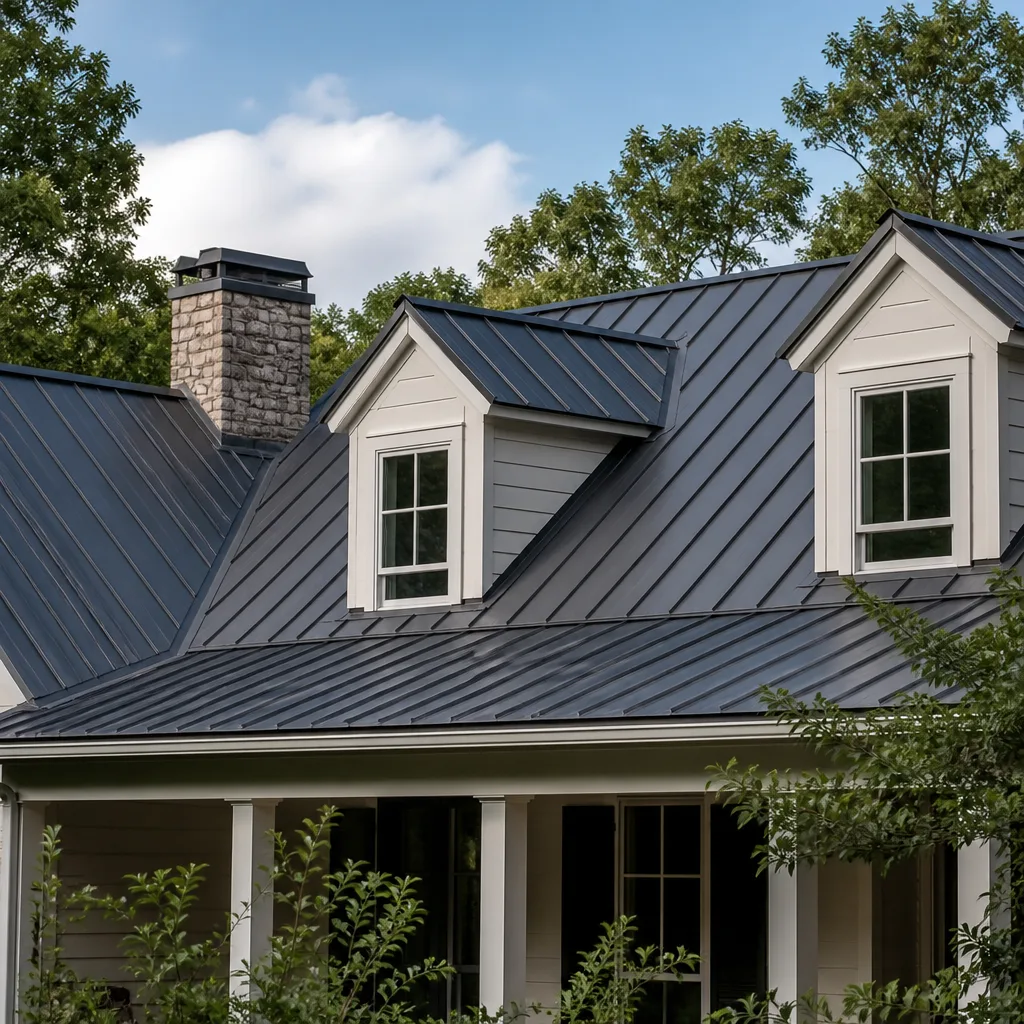 Metal roofing
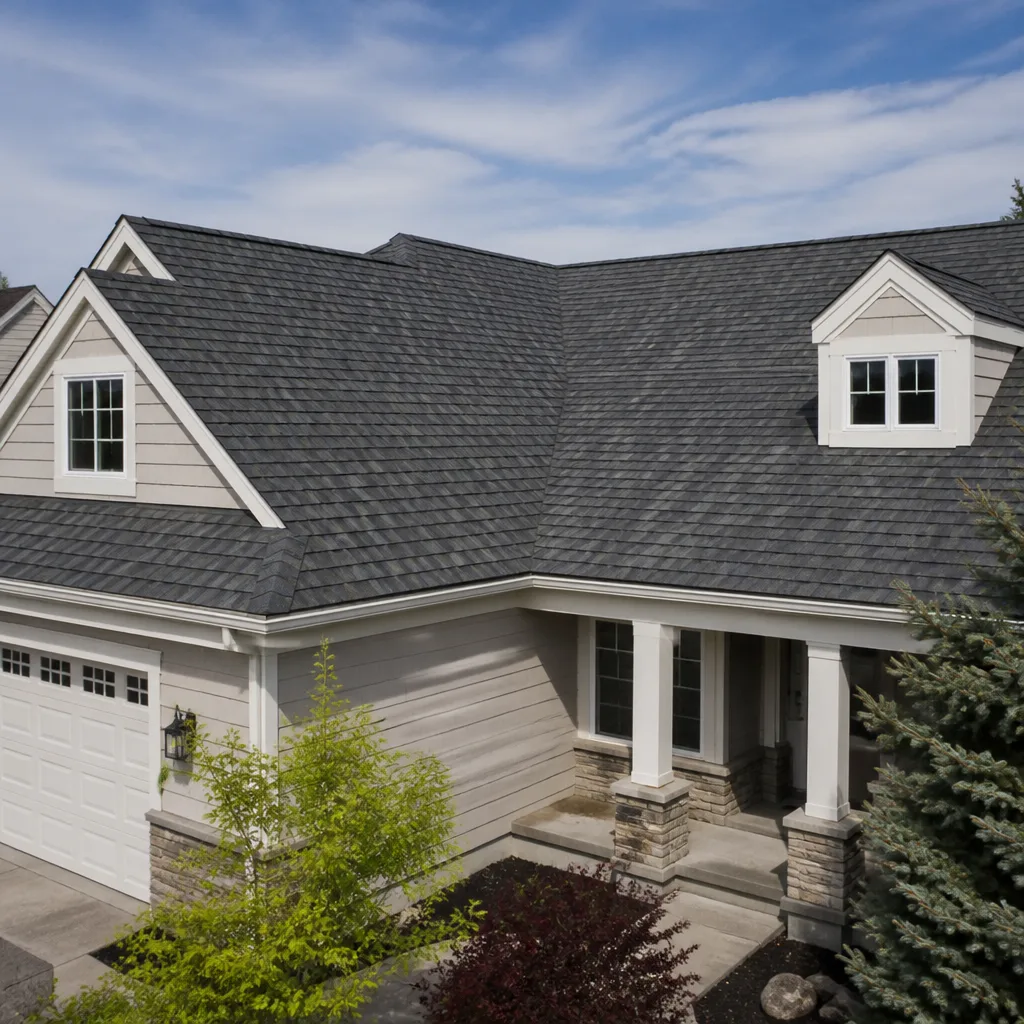 Architectural shingles
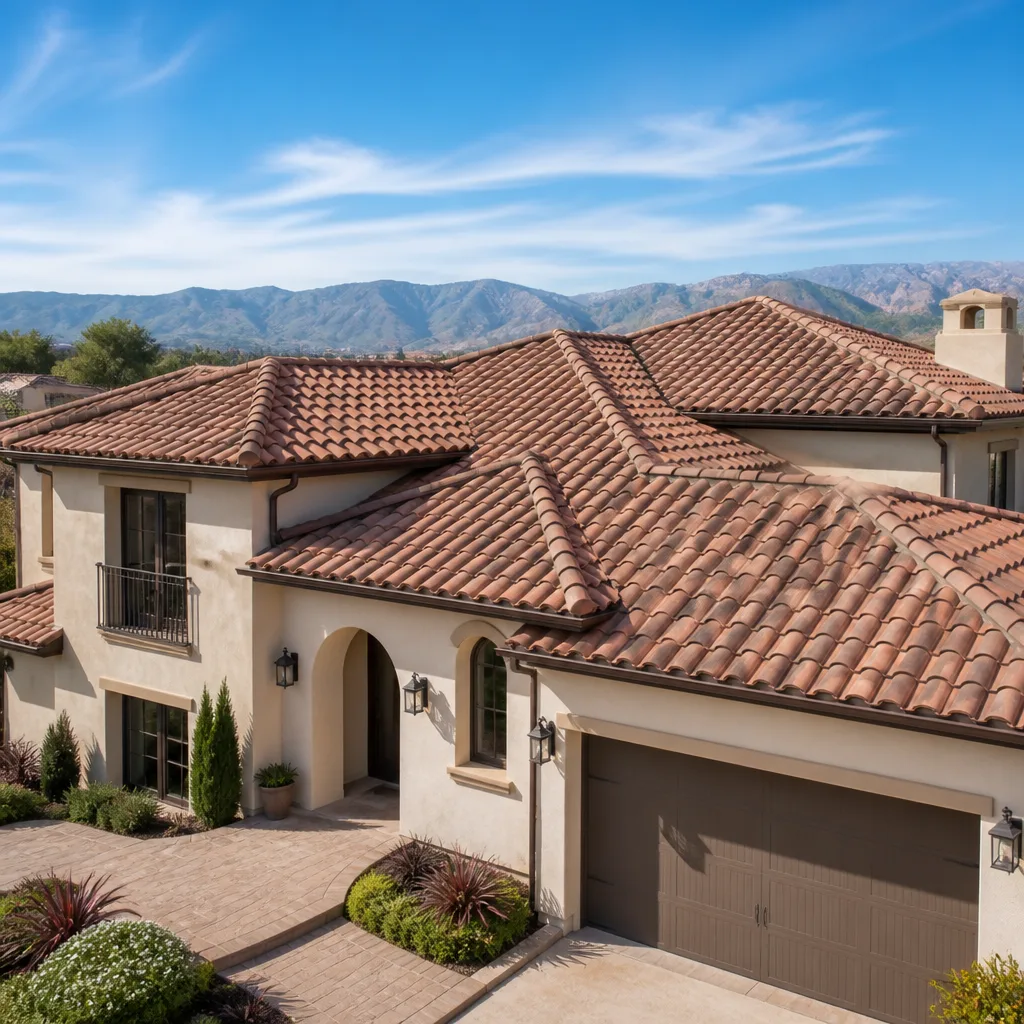 Tile roofing
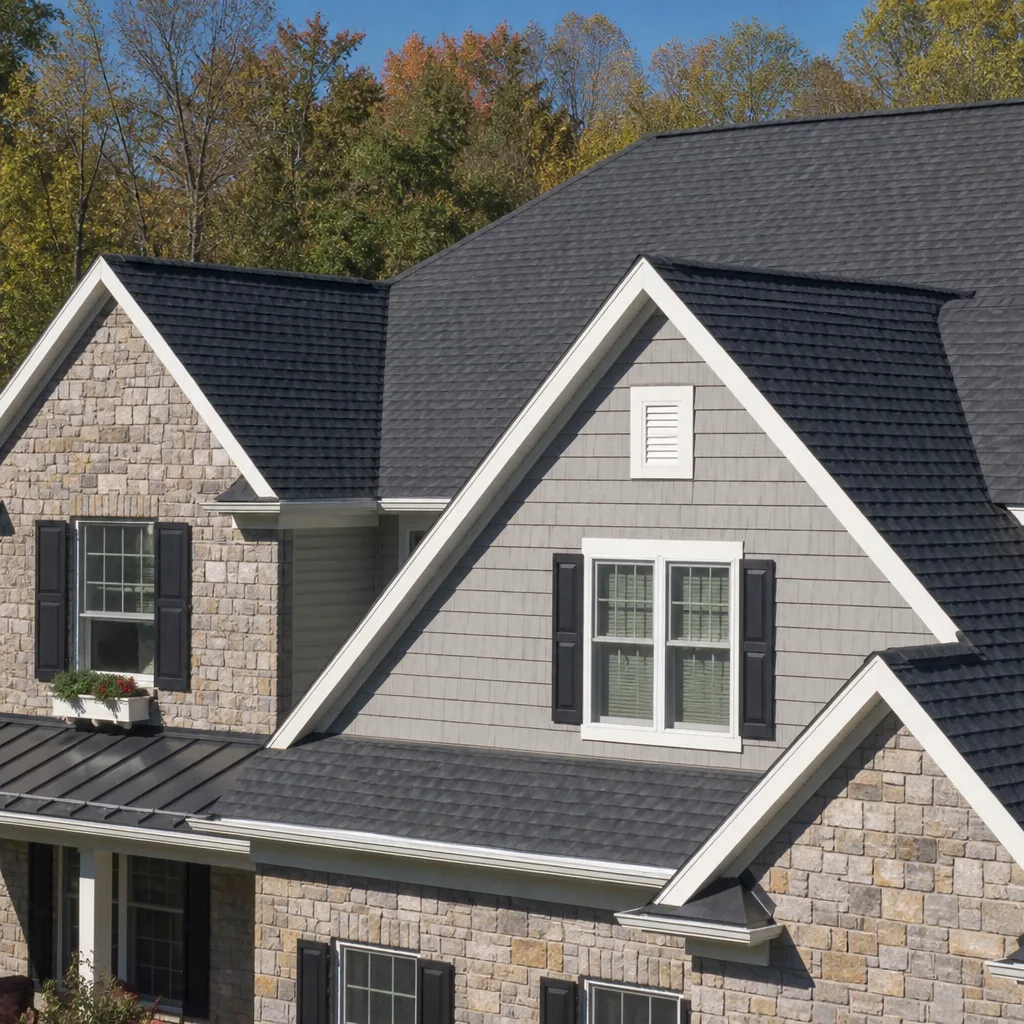 GAF
GAF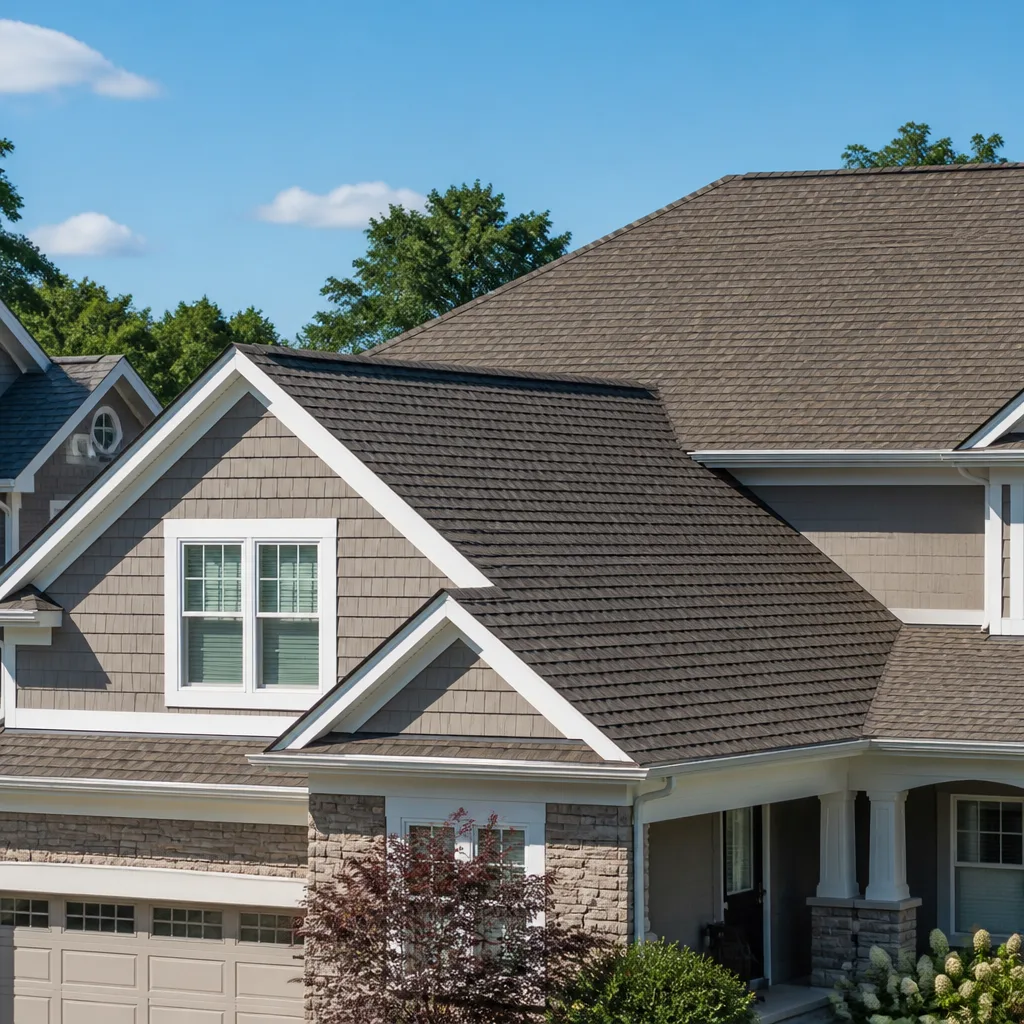 Owens Corning
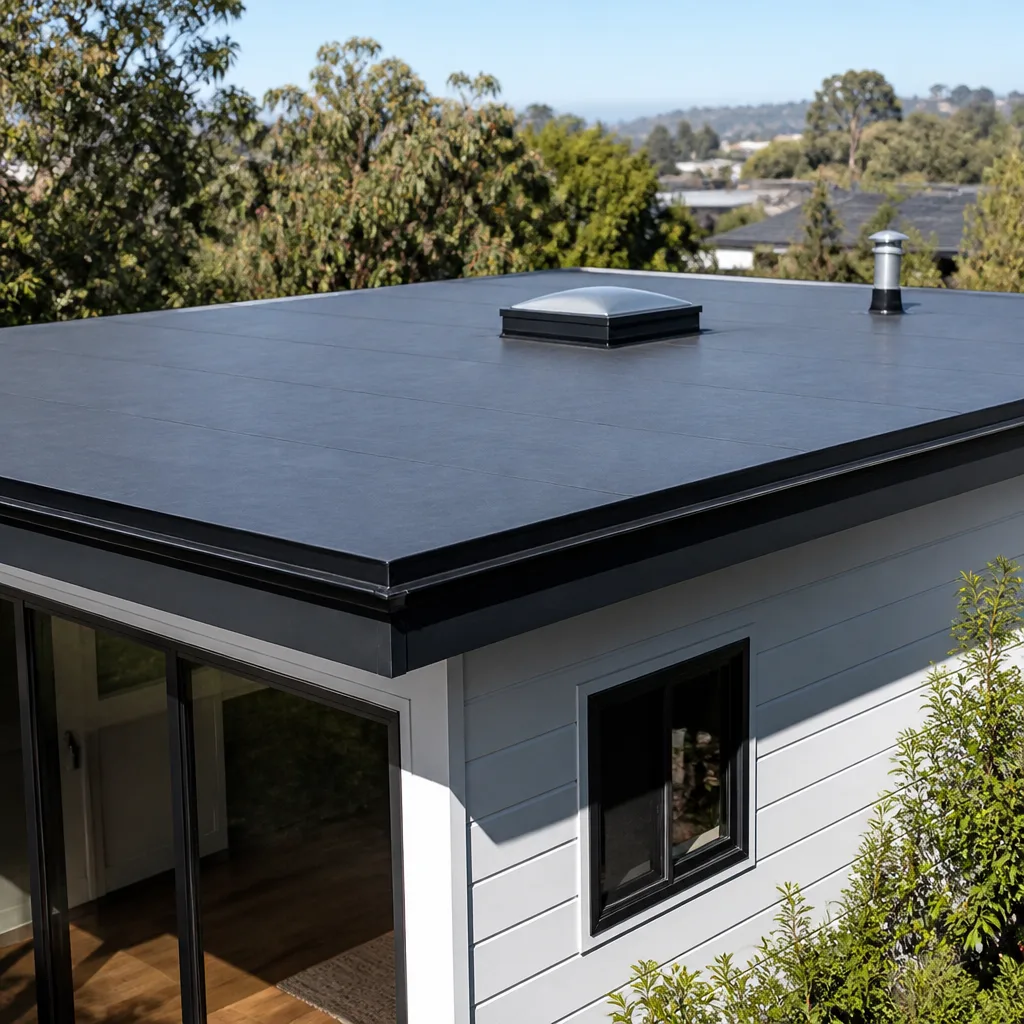 Flat & low-slope
Free roof inspection with deck photos before we talk money - GAF and Owens Corning certified installation
How to Hire a Roofing Contractor in Fort Lauderdale: A Step-by-Step Guide
After Hurricane Ian, Florida’s Department of Business and Professional Regulation logged a 340% spike in unlicensed contractor complaints across South Florida. Most victims told investigators the same thing: the contractor “seemed professional” and had a truck with a logo. That’s the uncomfortable truth about roofing in Fort Lauderdale. The highest-risk moment isn’t the storm, it’s the handshake at your front door. This guide walks you through exactly what to verify, in what order, before you sign anything or hand over a deposit, and you can find more guides & resources on our blog.
Quick Answer
Hiring a roofing contractor in Fort Lauderdale comes down to five verifiable steps: confirm the Florida DBPR license is active and matches the name on the contract, get the technician’s name and photo before they arrive, require a written price before any work starts, check that the contract includes the three clauses Florida law mandates, and ask for a written guarantee with a specific duration, not a verbal promise.
Styles & brands we work with
Table of Contents
- Step 1: Verify the License on the DBPR Portal (Under 90 Seconds)
- Step 2: Ask for the Technician’s Name and Photo Before the Visit
- Step 3: Check the Contract for Florida’s Three Required Clauses
- Step 4: Compare Quotes That List the Same Materials, Not Guesswork
- Step 5: Spot Fort Lauderdale’s Post-Storm Solicitation Red Flags
- Step 6: Require a Written Guarantee With a Real Duration
- Common Mistakes to Avoid
- When to Call a Professional
- Frequently Asked Questions
Step 1: Verify the License on the DBPR Portal (Under 90 Seconds)
The single most important step in hiring a roofing contractor in Fort Lauderdale is confirming their Florida license is active, not expired, not suspended, and not held by a completely different company. It takes less than 90 seconds, and it’s free.
Here’s the exact path:
- Go to the Florida DBPR website at myfloridalicense.com. That’s the Department of Business and Professional Regulation’s license portal.
- Click “Verify a License” on the home page. Do not use third-party “license check” sites. They scrape old data and get things wrong.
- Enter the contractor’s license number if you have it, or search by the company’s legal name as it appears on the written quote. Use the exact name from the contract, not the name painted on the truck. A truck can say anything.
- Look for the license status field. You want “Active.” Anything else – “Delinquent,” “Suspended,” “Expired,” “Null and Void” – means the contractor cannot legally work on your roof in Broward County.
- Check the “Qualifying Agent” name. This is the person who actually holds the credential. If the salesperson’s name doesn’t match, ask why.
Now, one distinction most guides miss entirely: certified versus registered. A “Certified Roofing Contractor” can work anywhere in Florida. A “Registered Roofing Contractor” is limited to the specific county or municipality where they registered – and some Broward County cities have additional registration requirements beyond the state’s. If the license prefix shows “RC” (Registered), confirm it’s valid for Fort Lauderdale specifically. If it shows “CCC” or “CC,” the contractor holds a statewide certification. Both can be legitimate, but you need to know which one you’re looking at before a written quote means anything.
What if someone doesn’t have a license number to give you? That’s the end of the conversation. In Fort Lauderdale, an unlicensed roofer may offer a lower number, but Florida’s Construction Industry Licensing Board exists to protect you from exactly this scenario. If a roof fails and the person who installed it has no license, you have no recourse through the state. You also may find your homeowner’s insurance claim denied.
We’ve told homeowners this for years at Mercer Roofing Co Fort Lauderdale: the DBPR check is the one step that costs nothing and eliminates the largest category of risk. Do it before you sign. Do it before the deposit. Do it before the first nail.
Step 2: Ask for the Technician’s Name and Photo Before the Visit
Here’s a question almost no hiring guide tells you to ask: “Can you send me the name and a photo of the technician who will be at my door, before they arrive?”
Most Fort Lauderdale homeowners never think to ask it. Most roofing salespeople have never been asked it. And that’s precisely why it’s such a revealing test.
Here’s what the answer tells you. A company that can give you the technician’s name and photo in writing has a system. They know who’s on the schedule. They have a process for vetting who they send to your property. A company that hesitates, stumbles, or says “we’ll see who’s available” has no dispatch system worth trusting – which means the person who shows up at your door may be anyone, with any history, and there’s no paper trail connecting them to the company that sent them.
This matters deeply for homeowners who are often home alone, parents with young children, and older homeowners who want proof of identity at the door before opening it. The request doesn’t have to be confrontational. You can phrase it plainly:
“Before the visit, can you text me the technician’s name and a photo so I know who to expect at the door?”
That’s not an unreasonable ask. It’s a 15-word sentence that protects you. A legitimate company will say yes immediately. In fact, we’ve built this into how Mercer Roofing Co Fort Lauderdale operates: every technician we dispatch to a Fort Lauderdale home is background-checked, arrives in a clean, marked uniform, and presents a photo ID badge at the door. The homeowner receives the technician’s name and photo before the appointment. It’s not a premium add-on. It’s the baseline standard for anyone who takes your security seriously.
When a technician badges in with a photo ID, you can compare the ID to the photo you received. You can compare the face to the badge. You can confirm the name matches the written quote. Every mismatch is a reason to close the door and call the office. In our experience, homeowners who use this one step feel a measurable difference in control over the entire visit – before, during, and after.
Step 3: Check the Contract for Florida’s Three Required Clauses
Florida law is unusually specific about what a roofing contract must include, and most homeowners in Fort Lauderdale don’t know these rules exist. For the full picture, see our guide to Roofing Permits, Codes & Inspections in FL: What You Need to Know. Here’s the plain-English version of the three clauses every valid Florida roofing contract must contain:
- The contractor’s DBPR license number, printed on the contract itself. This isn’t optional. If the license number isn’t printed on the document you sign, the contract is not compliant with Florida law. It’s also a strong signal the contractor doesn’t take their own legal obligations seriously.
- The estimated start and completion dates for the work. Florida’s Home Solicitation Sales Act and subsequent roofing-specific statutes require a reasonable timeframe in writing. “We’ll get to it when we get to it” is not a contract term. A reasonable window for a Fort Lauderdale roof replacement might be one to two weeks from permit approval, depending on the scope. If no dates appear, walk away.
- The right to cancel, stated in writing. Florida gives homeowners a three-day right of rescission on many home improvement contracts signed at the home, and for insurance-related roofing work there are additional notice requirements. The cancellation process must be printed on the contract, not explained verbally.
What does it mean legally if any of these are absent? In short, the contract may be unenforceable, and in some cases the contractor has violated Chapter 489 of the Florida Statutes, which carries its own penalties. For you as a homeowner, an absent clause means you signed something that doesn’t meet the legal floor. It’s not a technicality. It’s a red flag that the rest of the job will be handled with the same casual approach to rules.
We tell every Fort Lauderdale homeowner the same thing: before you sign, scan the document for the license number, the dates, and the cancellation language. If you can’t find all three within 60 seconds, ask. If the answer is anything other than “here they are,” don’t sign.
Step 4: Compare Quotes That List the Same Materials, Not Guesswork
Two roof replacement quotes in Fort Lauderdale can be $6,000 apart, and the reason is rarely profit margin. It’s materials. One says “30-year architectural shingle,” the other says “Owens Corning Duration.” One includes synthetic underlayment, new drip edge, and a secondary water barrier. The other mentions neither. You’re not looking at the same roof.
Here’s how to compare apples to apples. When you get a quote, ask these five questions about the shingle and every component:
- What is the exact manufacturer and product line? Not “a GAF shingle.” Which one – Timberline HDZ, Timberline UHDZ, or something else? The product line determines warranty depth, wind rating, and lifespan. A GAF Timberline is not the same as a GAF Royal Sovereign.
- What is the wind rating on this specific shingle? Fort Lauderdale sits in a high-velocity wind zone. You want a shingle rated for at least 130 mph, and ideally 150 mph, depending on the property’s exposure. If the quote doesn’t state the wind rating, that’s a gap.
- Is the underlayment synthetic or felt? Felt paper is cheaper and older technology. Synthetic underlayment costs more but holds up dramatically better against Fort Lauderdale’s humidity and heat. A quote that says “underlayment included” without specifying type is protecting a lower-end material.
- Are all flashings included, and what metal is used? Flashing is the metal that seals the joints where the roof meets walls, chimneys, skylights, and valleys. It’s the #1 source of leaks. A line item that says “flashing as needed” is a blank check. You want the quote to list the specific flashing components – step flashing, valley flashing, pipe collars, drip edge.
- What’s the total cost per square, installed? In Fort Lauderdale, a full tear-off and replacement using a quality architectural shingle like CertainTeed Landmark or Owens Corning Duration typically runs between $4.50 and $6.50 per square foot installed, depending on the roof’s complexity, pitch, and the tear-off labor involved. A low quote may be using a builder-grade shingle at $3.50 a square. A high quote may include thicker underlayment and upgraded components. The number alone doesn’t tell you if it’s fair. The materials list does.
Here’s the language to use when you call a contractor back: “Can you list the exact shingle product line, the underlayment type, and every flashing component on the written quote?” That single sentence forces every quote onto the same scale. At Mercer Roofing Co Fort Lauderdale, we work with manufacturer-recognized shingle brands including GAF, CertainTeed, Owens Corning, IKO, Atlas, Tamko, and Boral, and we write the exact product name on every quote. No omissions, no “as needed” language. You should expect the same from anyone you’re seriously considering.
Step 5: Spot Fort Lauderdale’s Post-Storm Solicitation Red Flags
After a storm rolls through Broward County, something predictable happens: out-of-state crews park in neighborhoods, walk door to door, and offer “free roof inspections” that invariably find “storm damage.” The bad actors are loud and convincing. The good contractors are busy, not canvassing.
Here are the specific red flags Fort Lauderdale homeowners should recognize:
- The waiver of your insurance deductible. In Florida, it is a second-degree misdemeanor for a contractor to advertise or offer to pay, waive, or rebate any portion of a homeowner’s insurance deductible. If a roofer says “we’ll cover your deductible,” they’re asking you to participate in insurance fraud. You’re the one who faces the criminal penalty, not just them. This is an instant disqualifier.
- The pressure to sign an Assignment of Benefits form the day of the inspection. An AOB gives the contractor the right to bill your insurance company directly and to negotiate your claim on your behalf. It can be legitimate in limited cases, but signing one under pressure from a door-knocker who just “found” damage is how thousands of Florida homeowners lost control of their claims. Never sign an AOB the same day it’s placed in front of you. Never sign one because someone at your door told you to.
- The “we were in the neighborhood” opener. Legitimate Fort Lauderdale roofing companies are scheduled weeks in advance. They don’t happen to be driving through Victoria Park or Rio Vista and notice your shingles from the street. The phrase is a script opener for unlicensed canvassing operations.
- The aggressive follow-up that won’t take no for an answer. A licensed contractor hears “I need to think about it” and says “of course.” A storm chaser hears it and escalates. If you feel pushed, that’s not a salesperson being persistent. That’s a system designed to get your signature before your judgment catches up.
- The out-of-state license plate or unmarked truck. It’s not illegal to drive a rental, but a roofer who is licensed, insured, and established in Fort Lauderdale will have a marked vehicle and a Florida contractor’s license that matches the name on the vehicle. A rental cargo van with a magnetic door sign is a classic storm-chaser setup.
We’ve been answering calls about this since before Hurricane Irma, and the pattern never changes. The storm creates urgency. The urgency creates bad decisions. The bad decisions get signed on a clipboard at the front door. In our experience, the single best defense is a rule: never sign anything at the door, ever. Take the written quote inside, verify the license, and call back.
Step 6: Require a Written Guarantee With a Real Duration
“We stand behind our work.” Every roofer says it. Very few put a specific duration and a specific remedy in writing. That difference is the entire game.
A real guarantee says three things: how long it lasts, what it covers, and what happens if the work fails. Here’s what to look for:
Duration: A one-year workmanship warranty is standard for roof repair in Florida. Anything less is a red flag. Anything more is worth asking about. The manufacturer’s shingle warranty – which can run 25, 30, or 50 years – covers material defects. The contractor’s workmanship guarantee covers installation errors, which is where most leaks actually come from. You need both. Don’t confuse them.
Coverage specifics: Does the guarantee cover leaks that develop after the repair? Does it cover flashing failures? Does it cover the repaired area, or the entire roof? If the answer is “we’ll take care of you,” that’s not a guarantee. That’s a feeling. Feelings don’t stop a leak in September.
Remedy: What happens if the work isn’t right? A written guarantee should say. At Mercer Roofing Co Fort Lauderdale, every repair includes a written guarantee, and if the repair fails within 365 days, we make it right, including a free second visit. We call it our 365-Day Done Right Promise. It’s printed on every quote, every contract, and every invoice. It’s not conditional on anything. That’s what a guarantee should look like in writing.
When you compare contractors, ask this exact question: “Can I see the written guarantee before I sign?” A contractor who produces it in seconds has a system. A contractor who talks about “how well we treat customers” without producing a document is telling you everything you need to know.
For a full replacement, ask the same question about the installation warranty and ask who handles the claim if the shingle manufacturer disputes a defect. If the roofer can’t walk you through a specific example of how a hypothetical warranty claim would play out, they may not actually know their own warranty process.
Common Mistakes to Avoid
- Signing the day of the first quote. Fort Lauderdale’s heat and rain create urgency, but a legitimate contractor will hold a written quote for at least 30 days. If the price “expires tonight,” the pressure is the product. Take the quote inside. Verify it. Sleep on it. Call back tomorrow.
- Choosing based on the lowest number alone. A roof replacement quote that’s 30% lower than the others almost always means lower-grade underlayment, builder-grade shingles, or an unbudgeted surprise later. Compare the materials line by line before comparing totals.
- Skipping the DBPR check. It takes under 90 seconds and eliminates the single largest category of risk. A contractor who can’t or won’t provide a license number is not someone you want on your roof.
- Paying more than a small deposit upfront. Florida law limits down payments on many home improvement contracts to 10% or $1,000, whichever is less. If a contractor demands half the job upfront in Fort Lauderdale, that’s not just aggressive. It may violate Florida law.
- Accepting a verbal guarantee. “We’ll take care of it” costs nothing and protects nothing. If the guarantee isn’t in writing with a duration and a remedy, it doesn’t exist.
- Falling for the “free inspection” that finds “storm damage” every time. Door-knockers find damage because finding damage is their business model. An honest inspection by a local Fort Lauderdale roofer will tell you the roof is fine when the roof is fine. We’ve told hundreds of homeowners their roof didn’t need a repair, and they’re still our customers today because of it.
- Not asking who will be on site each day. The person who sells the roof is rarely the person who installs it. Ask who the crew foreman is, who supervises them, and who you call if something goes wrong. If the answers are vague, keep looking.
When to Call a Professional
There’s a time to research, and there’s a time to pick up the phone. If you can see daylight through the roof decking, water staining on ceilings, or shingles in the yard after a summer storm, you’re past research. Call a professional the same day. If you’re planning a re-roof and want written options, call before you start collecting quotes so you have a baseline from a Fort Lauderdale company that gives you a written price before any work starts.
If you’ve read through this guide and want a contractor who does everything on it – the license verification, the technician name and photo before arrival, the written price, the written 365-day guarantee – Mercer Roofing Co Fort Lauderdale offers free estimates in Fort Lauderdale and handles roof installation in Fort Lauderdale as well. Call (754) 354-1224 and a live person will answer. That’s part of what we do – we don’t route you to voicemail.
Frequently Asked Questions
A full tear-off and replacement in Fort Lauderdale typically runs between $4.50 and $6.50 per square foot installed for a quality architectural shingle, which puts most single-family homes between $9,000 and $18,000 depending on square footage, roof pitch, and the scope of flashing and decking work. Get a written quote that lists the exact shingle product line, underlayment type, and flashing components so you’re comparing identical materials. Call (754) 354-1224 for an exact written quote – estimates are free.
Go to myfloridalicense.com, click “Verify a License,” and search by the contractor’s license number or the exact legal name on the written quote. Confirm the status shows “Active” and note whether the license is “Certified” (valid statewide) or “Registered” (limited to specific counties or municipalities). Call (754) 354-1224 if you want help walking through the check.
No. In Florida, it is a second-degree misdemeanor for a contractor to offer to pay, waive, or rebate any portion of your insurance deductible, and accepting that offer can expose you to criminal liability as well. Any contractor who makes that offer should be disqualified immediately. For a straight answer on any roofing quote, call (754) 354-1224.
A compliant Florida roofing contract must include the contractor’s DBPR license number printed on the document, the estimated start and completion dates, and the homeowner’s written right to cancel within the statutory period. If any of these three items is absent, the contract may be unenforceable and the contractor is not operating as Florida law requires. Call (754) 354-1224 and we’ll walk you through what to look for.
Florida law limits down payments on many home improvement contracts to 10% of the total or $1,000, whichever is less. Any contractor demanding more upfront should be treated with caution. You should never pay the full contract amount before the work is complete and you’ve signed off on it. For a written quote with no upfront surprises, call (754) 354-1224.
Yes, the City of Fort Lauderdale requires a building permit for roof replacement, and the roofing contractor is responsible for pulling it. If a contractor suggests skipping the permit to save time or money, that’s a definitive red flag. A permitted roof means the work is inspected by a city or county building official and your insurance company sees a documented replacement. Call (754) 354-1224 for a quote that includes all permit handling.
The Bottom Line
Hiring a roofing contractor in Fort Lauderdale is not about finding the cheapest bid. It’s about verifying the license in 90 seconds on the DBPR portal, getting the technician’s name and photo before they arrive, checking the contract for Florida’s three required clauses, comparing quotes line by line by exact material, recognizing the post-storm solicitation red flags, and requiring a written guarantee with a real duration, not a verbal promise. The homeowner who does all six moves from the position of someone hoping for the best to someone who controls the deal. That’s the entire difference.
Written by Grant Whitlock, Owner at Mercer Roofing Co Fort Lauderdale, serving Fort Lauderdale since 2000.
See the difference
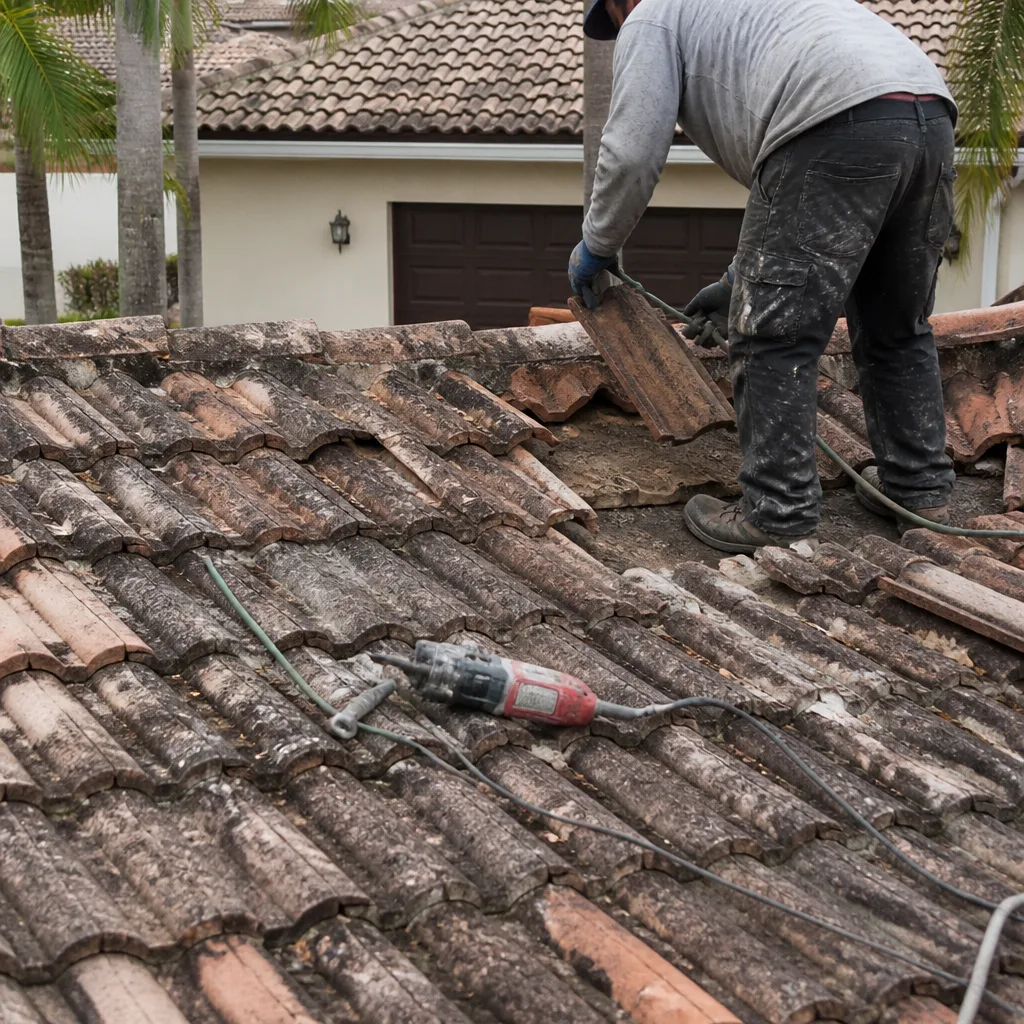 Before
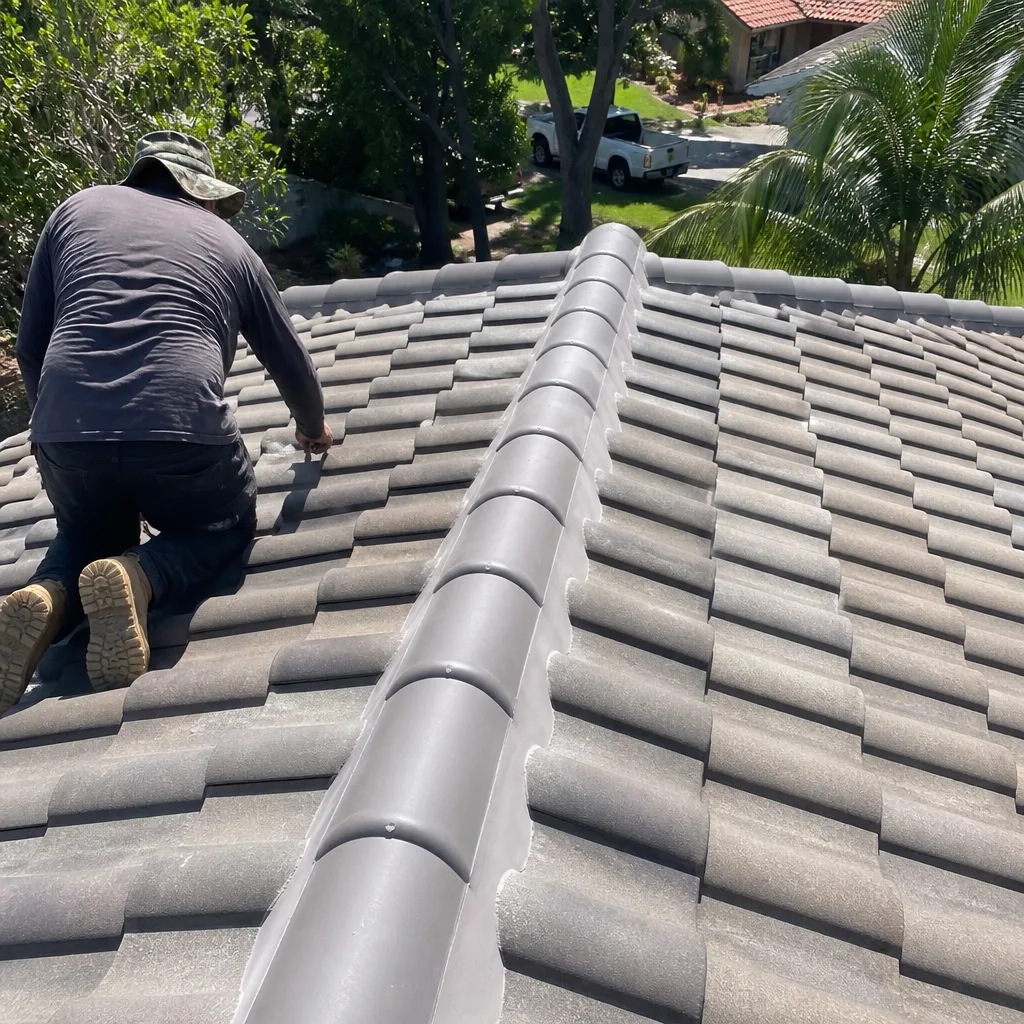 After
After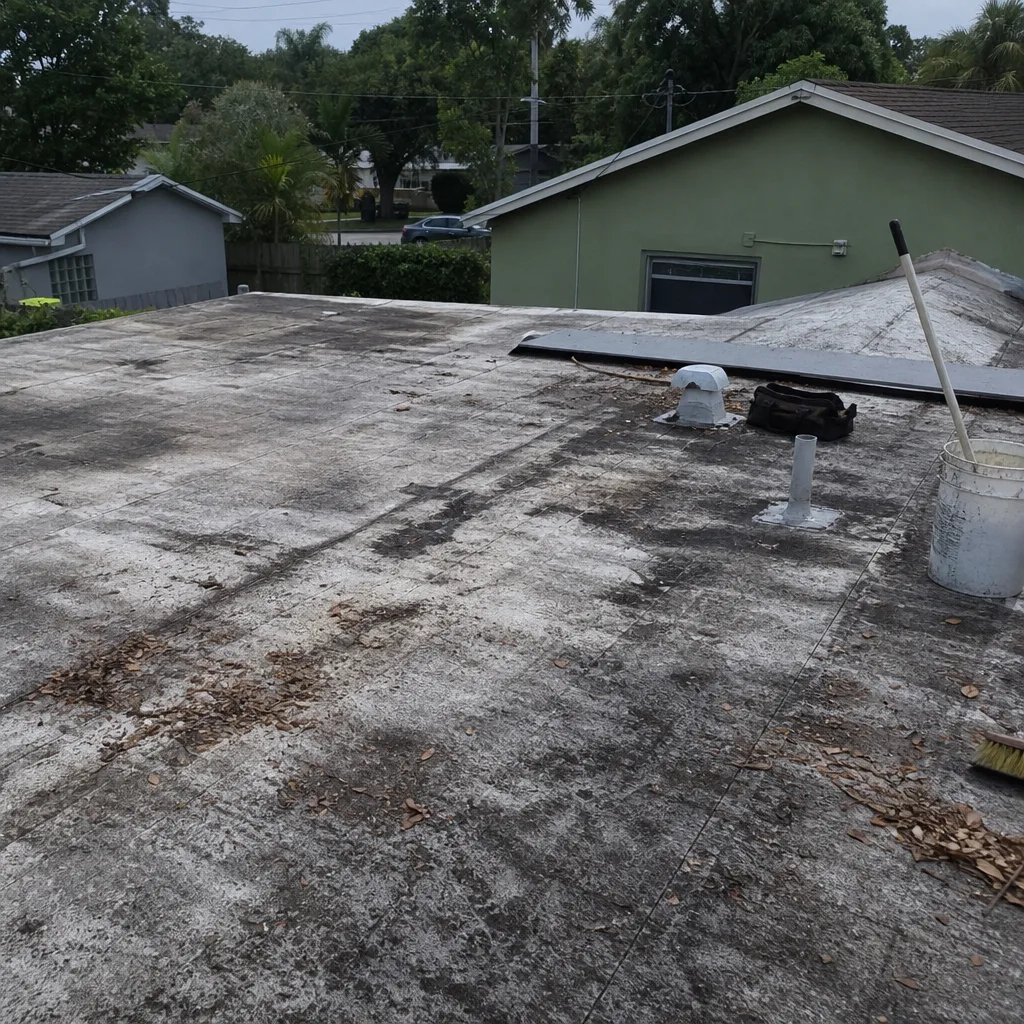 Before
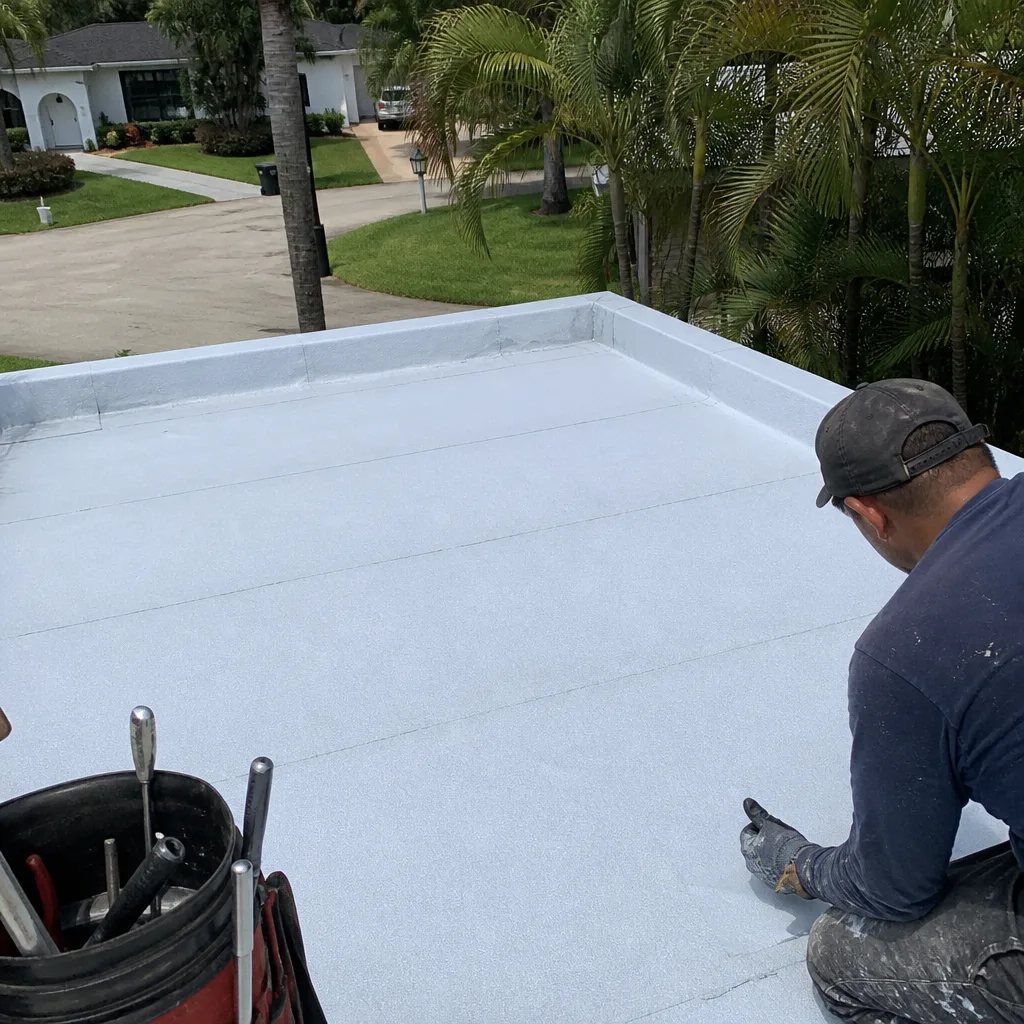 After
After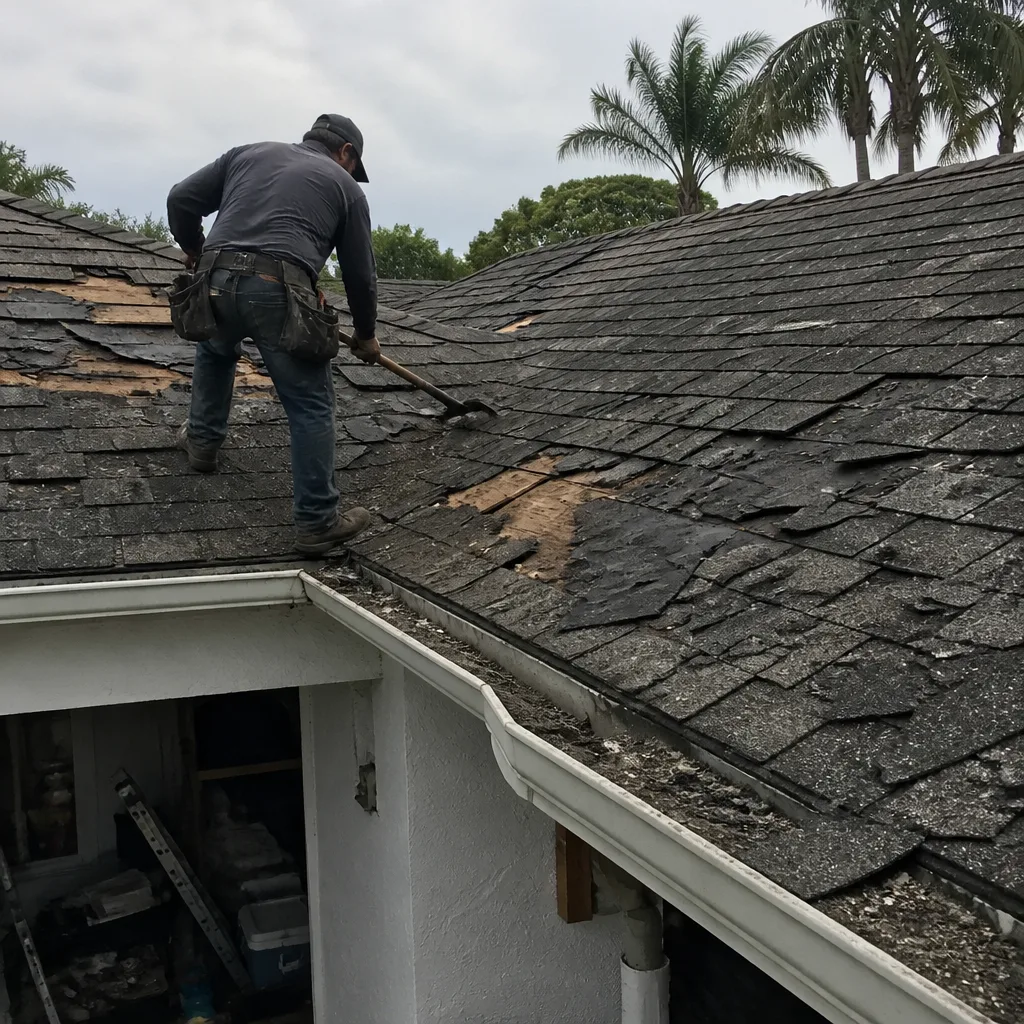 Before
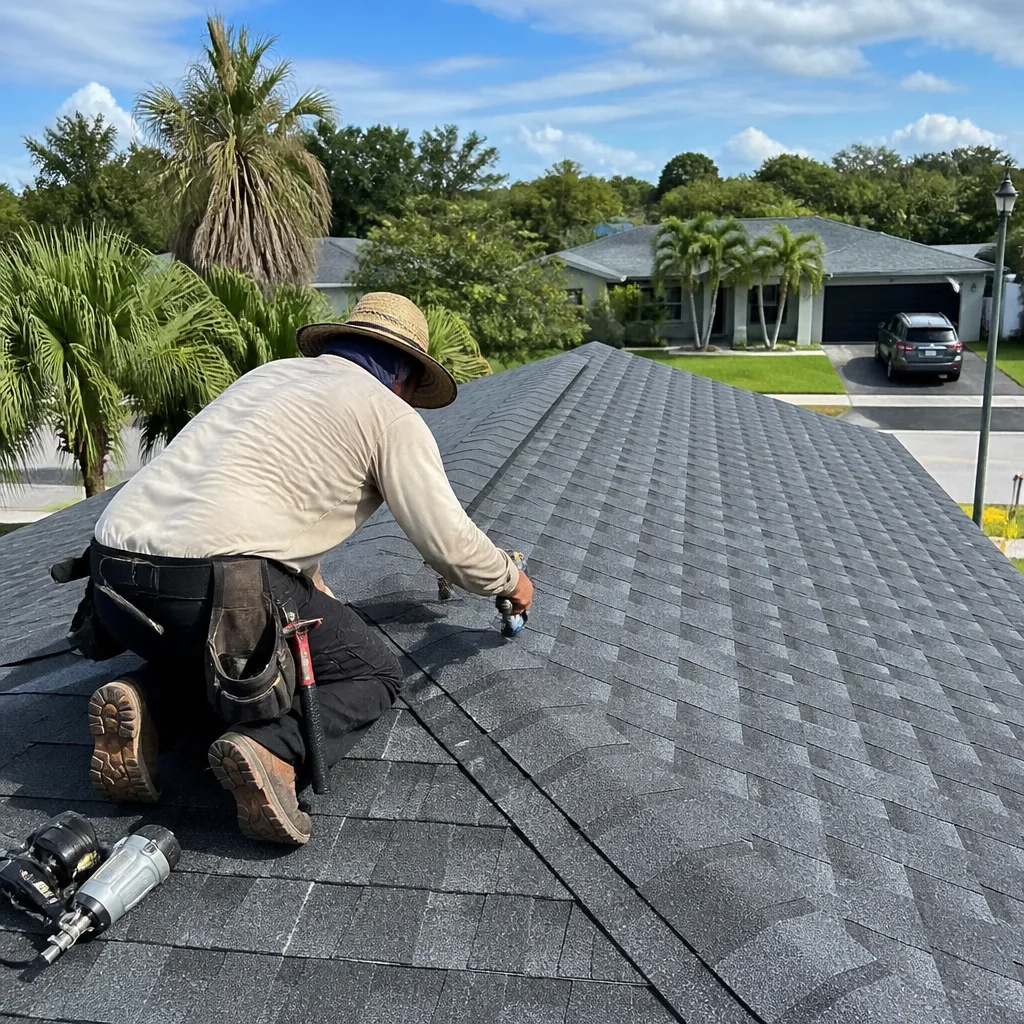 After
After