
Last updated October 17, 2026
 Architectural shingles
 Metal roofing
 Tile roofing
 GAF
GAF Owens Corning
 Flat & low-slope
Free roof inspection with deck photos before we talk money - GAF and Owens Corning certified installation
Roof Repair Maintenance Checklist for Fort Lauderdale Homeowners
The average gap between a minor Fort Lauderdale roof leak and visible interior water damage is just 72 hours during summer rainy season. By the time you see a ceiling stain, the decking beneath may already be compromised. Most homeowners lose $3,000 to $8,000 in preventable repairs because they inspect for damage after storms instead of building a monthly routine calibrated to South Florida’s actual weather calendar. This guide is a 12-task annual rhythm, not a post-hurricane panic. You’ll learn exactly what to check, when to check it, and how to document everything so a small issue never becomes a five-figure tear-off.
Styles & brands we work with
Quick Answer
A Fort Lauderdale roof maintenance checklist should follow South Florida’s weather calendar: April pre-hurricane prep, July and August mid-season checks, November post-storm assessment, and February dry-season flashing inspection. The most important tasks are clearing debris from valleys and drains, checking flashing around penetrations, documenting your roof with timestamped photos after every named storm, and keeping a maintenance folder for your insurer’s 4-point inspection. Most Fort Lauderdale homeowners should budget $150 to $500 per year for professional inspections and minor preventive Roof Repair services, which is dramatically less than the $3,000 to $8,000 a neglected roof can cost.
Table of Contents
- Why Monthly Roof Checks Matter More in Fort Lauderdale Than Almost Anywhere Else
- The Month-by-Month Fort Lauderdale Roof Maintenance Calendar
- Five Flat-Roof Checks Fort Lauderdale Homeowners Skip (and Pay For Later)
- How to Document Your Roof Safely From the Ground and Attic
- What Your Insurer’s 4-Point Inspection Will Actually Ask For
- A Step-by-Step Routine for After Any Named Storm
- Common Mistakes to Avoid
- When to Call a Professional
- Frequently Asked Questions
- The Bottom Line
Why Monthly Roof Checks Matter More in Fort Lauderdale Than Almost Anywhere Else
Fort Lauderdale roofs don’t age the way roofs in Atlanta or Charlotte do. We deal with salt air, 60-plus inches of annual rainfall, UV indexes that hit 11 in August, and the periodic tropical system that turns a small flashing gap into an insurance claim. The sun alone is brutal. Asphalt shingles in Fort Lauderdale typically last 15 to 20 years compared with 20 to 25 years in cooler climates. That’s not a quality issue, it’s chemistry. UV breaks down the asphalt’s oils, and once those oils go, the shingle gets brittle and starts to crack and cup.
Then there’s the rain. A roof that sheds 60 inches of rain a year needs to move water more efficiently than one that sees 45 inches. Flashing around a plumbing vent or skylight that would be fine in a drier city becomes a slow drip here. We’ve inspected roofs in Fort Lauderdale neighborhoods like Victoria Park and Coral Ridge where a two-inch gap in step flashing had been letting water into the decking for months before a ceiling stain appeared. The fix wasn’t complicated, but the decking repair added $900 to a job that would have cost $200 if caught early.
Here’s the counterintuitive part: most preventable roof damage doesn’t happen during hurricanes. It happens during ordinary summer thunderstorms when wind-driven rain gets pushed up under shingles and flashing at odd angles. A category 1 storm gets your attention. A random Tuesday afternoon downpour does not. That’s exactly why a monthly rhythm works better than storm-response panic. When you check the same small list of things every month, you notice the subtle change, the lifted shingle edge, the rusted flashing seam, the clogged scupper. You catch things at the $150 repair stage, not the $6,000 decking stage.
We tell every homeowner this: your roof talks to you. You just have to be looking and listening on a schedule, not only after a storm passes through Fort Lauderdale.
The Month-by-Month Fort Lauderdale Roof Maintenance Calendar
South Florida’s weather has a rhythm. Your roof maintenance should match it. Here’s the exact calendar we recommend to homeowners in Fort Lauderdale. Each task takes 15 to 45 minutes, and most can be done from the ground or your attic.
January: Inspect ceilings, walls, and attic for winter dry-season clues
January is dry season in Fort Lauderdale, which means rain-driven leaks are less active but any existing water intrusion has had time to dry out and leave a trail. Walk every room and look up. Water staining on ceilings, especially around ceiling fans, recessed lights, and where interior walls meet exterior walls, is the classic first sign. In the attic, use a flashlight to scan the underside of roof decking for dark streaks, mold bloom, or rusted nail heads poking through. Rusted nails in the attic mean moisture is present. Dry-season inspection catches these clues when they’re quiet, before April thunderstorms turn them active.
February: Dry-season flashing inspection
February is the month to get on a ladder (or hire someone who will safely access the roof edge) and inspect every flashing penetration in detail. Flashing is the metal or synthetic material that seals the joints where the roof meets a wall, chimney, skylight, pipe vent, or roof valley. In Fort Lauderdale’s salt air, metal flashing corrodes faster than in inland Florida, especially aluminum flashing within a few miles of the ocean. We check for pitting, rust bleed, separation from the roof surface, and dried-out sealant. Pay particular attention to the flashing at the base of any plumbing vent pipes and around skylight curbs. Caulking that looks cracked or shrunken should be re-sealed before March winds and April rains arrive.
March: Clean valleys, clear drains, tighten anything loose
Valleys are the V-shaped channels where two roof planes meet. In Fort Lauderdale, oak leaves, palm fronds, and seed pods accumulate in valleys even in the dry season, and if they’re still there when the April storms begin, they’ll act like a dam. Water backs up and finds its way under shingles or into the decking. Clear every valley by hand or with a leaf blower. Do the same for any scupper, drain, or gutter opening on flat-roof sections. While you’re up there, check for any loose shingle, tile, or cap that may have shifted in winter winds. One loose shingle in March becomes a missing shingle in a June thunderstorm.
April: Pre-hurricane season prep and documentation
April is the most important month on this calendar, because it’s the last reliable window before Atlantic hurricane season officially begins on June 1. Your goal in April is simple: find every vulnerability before the weather does. This is when we recommend a professional roof inspection for most Fort Lauderdale homes, especially any roof that’s past year 10 of a 20-year life. If your roof is newer, at minimum do a thorough ground-level walk around the entire perimeter with binoculars and document the condition of every roof plane with your phone’s camera. Check flashing, check for missing or lifted shingles, check skylight seals, check any caulked joint you can see. Fix what’s found now, with a written price and a workmanship guarantee, rather than waiting for a storm to do the discovering for you. For context on what to expect, see our Roofing Cost Breakdown: The Fort Lauderdale Homeowner’s Reference for 2026.
May: Clear gutters and downspouts a second time
May in Fort Lauderdale usually delivers the first sustained rainy weekends of the year. By now, the trees have dropped another round of flowers and seed pods. Gutters that were clean in March are frequently half full by May. Blocked gutters during Florida downpours send water cascading over the edge of the roofline, which soaks the fascia board, the soffit, and sometimes the wall below. Over time, rotted fascia means the gutter itself starts pulling away from the house, which prices in the hundreds to repair. A 30-minute gutter clear in May prevents that. Pay special attention to any gutter section under overhanging oak or ficus branches.
June – August: Post-thunderstorm and mid-season checks
These three months are when Fort Lauderdale roofs earn their keep. Make it a habit: after any storm with wind gusts over 40 mph or more than an inch of rain, walk the perimeter and look for changes. Newly exposed nails. Shingles in the yard or on the driveway. Missing ridge caps. A sag in the roofline that wasn’t there before. Inside, check the attic during or immediately after a heavy rain if you can. Use your phone’s camera to document anything you see, because a photo from the day of the storm is far more valuable than a description from memory two weeks later. July and August are also when soffit and gable vents get tested hardest by wind-driven rain, so listen for any new draft or whistle sound from the attic. It might mean a vent has been displaced.
September: Post-peak-season structural check
September is peak hurricane month in the Atlantic basin, and even if Fort Lauderdale was not hit directly, the outer bands of systems passing to our east or west can deliver damaging winds. Once the Labor Day weekend passes and if we’ve been spared a direct hit, do a more careful inspection of all roof edges, ridge lines, and any area where the roof plane changes direction. Look for shingles that are no longer laying flat, tiles that have cracked or shifted, and any new interior water staining. In our experience, September is when small wind damage from mid-summer storms becomes visible, because lifted shingles and loosened flashing have had time to flex and fail. Finding it in September means repairs happen in October, before cooler weather makes some homeowners forget their roof entirely.
October: Re-caulk, re-seal, and tighten everything before fall
October is the shoulder month. Hurricane season isn’t over, but the worst of the summer heat has passed, and the air is slightly less humid. This is a good time to do maintenance work that requires sealant or caulk, because it adheres and cures more reliably at lower humidity. Walk the roof perimeter or work from the ground with binoculars to identify every caulked joint, window, skylight base, and vent collar that shows signs of cracking, shrinking, or pulling away from the surface. Re-seal those joints now. It’s the kind of quiet maintenance that costs $20 in material or a small repair call, and it prevents the $1,500 water remediation bill that comes when the same small gap lets Miami afternoon rain pour into a wall cavity for six months.
November: Post-hurricane season assessment and records review
Hurricane season officially ends November 30, and for most Fort Lauderdale homeowners, this is the natural time to take stock. If you endured any close call or direct hit, this is when we recommend a full professional inspection that can be added to your maintenance folder for insurance purposes. Even if the season was quiet, November is when you review your maintenance records from the full year, verify your photos are backed up and organized by date, and update any notes about repairs, replacements, and inspections. Insurers look more favorably on homeowners who can show a consistent pattern of maintenance, not a flurry of last-minute fixes before a renewal.
December: Trim overhanging branches while trees are dormant
Fort Lauderdale’s winter is mild, but many of our tree species slow their growth in December and January. This is the cheapest time to have overhanging branches trimmed back, since tree services are less busy and the tree is less likely to bleed sap aggressively. Any branch that touches your roof or hangs within six feet of it should go. Rubbing branches scratch shingles, strip granules, and wear holes in flashing over time. In a windstorm, a heavy branch swinging against the roof is a constant battering ram. December trimming means cleaner gutters all spring and a quieter roof when the storms come back around.
Five Flat-Roof Checks Fort Lauderdale Homeowners Skip (and Pay For Later)
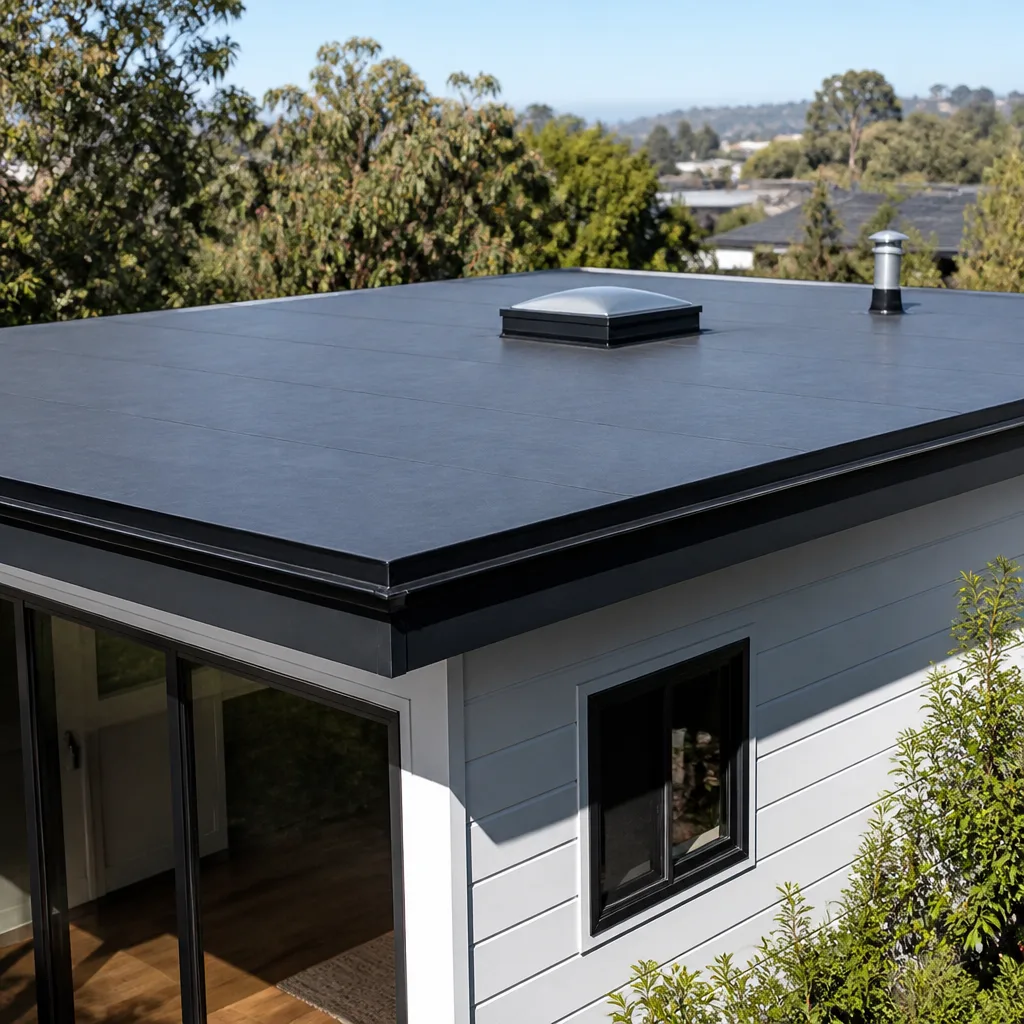
Fort Lauderdale has a large stock of homes with flat or low-slope roofs, whether it’s a 1950s mid-century ranch, a modern concrete-roofed build, or a home with a flat-roof addition over a carport or sunroom. Most generic roof maintenance guides are written for sloped shingle roofs in the suburbs of Atlanta. They skip entirely the realities of concrete and modified bitumen roofs, which behave differently under South Florida sun and rain, and the consequences of skipping these checks are expensive.
Here are the five checks that actually matter for flat roofs in Fort Lauderdale:
- Scupper and drain clearance. Flat roofs depend on a functioning drainage path. Every scupper and interior drain should be inspected monthly during the rainy season. A single palm frond across a scupper opening turns a flat roof into a shallow pond in one afternoon thunderstorm. Standing water on any flat roof surface shortens its life and invites leaks.
- Ponding-water outline inspection. After any heavy rain, go to a second-story window or access the roof edge safely and look for areas where water remains 48 hours after the rain stops. On concrete roofs, ponding water leaves a telltale outline, a ring of mineral deposits and debris. On modified bitumen, ponding causes blisters and alligator cracking in the surface layer. Any area that holds water for two-plus days needs attention, often a small cricket or drain adjustment.
- Seam and patch integrity. Modified bitumen roofs are assembled in overlapping sheets. The seams are the most common failure point, especially on older roofs where the seam adhesive has baked in the Florida sun. Look for curling seam edges, open lap joints, or patches that appear to be lifting. A lifted seam on a modified bitumen roof lets water run underneath the membrane, where it travels unpredictably before it shows up as a ceiling stain twenty feet away.
- Blister inspection. Blisters are raised bubbles in the roof membrane caused by trapped moisture vapor expanding in the heat. Fort Lauderdale’s intense sun makes blistering more common here than almost anywhere in the country. Small blisters can be left alone and monitored. Large blisters, or any blister that has cracked open, need professional repair before the next rain. Popping a blister yourself almost always tears the membrane.
- Penetration seal check. Flat roofs in Fort Lauderdale typically have more mechanical penetrations than sloped roofs: AC condensers, duct vents, plumbing stacks, exhaust fans, satellite mounts. Every one of those penetrations is a potential leak point, and the sealant around them degrades faster here because the UV load sits directly on a horizontal surface. Inspect every penetration monthly during the rainy season and re-seal annually.
How to Document Your Roof Safely From the Ground and Attic
Here’s the truth that most roof guides don’t say outright: you don’t need to walk on your roof to inspect it well, and in many cases you shouldn’t. Walking on a shingle roof in Fort Lauderdale’s heat is the fastest way to cause granule loss, and on certain tile or metal roofs it’s genuinely dangerous. Roof work at height, especially on steep pitches, is exactly the kind of thing to leave to a trained professional. A fall from even a single-story roof can be fatal or cause permanent injury. Instead, you can inspect and document your roof safely from the ground and from your attic.
For ground-level documentation, get a pair of 10×42 or 12×50 binoculars. Walk the entire perimeter of the house slowly, pausing at each of these checkpoints:
- The drip edge and eave line: look for lifted shingles, missing pieces, or gaps where the roof deck is visible.
- Any valley, ridge, or hip: look for uneven shingle lines, loose cap shingles, or debris.
- Every flashing location you can see: plumbing vents, chimney, skylight edges, wall junctions.
- The condition of caulking around vents, pipes, and any roof-mounted equipment.
- The gutter line: sagging gutters, separated seams, or visible granule buildup (granules in gutters are a sign of asphalt shingle wear).
- Any area shaded by trees: these are more likely to hold moisture and grow moss or lichen, which eat into shingle surfaces over time.
Use your phone’s camera on zoom from the ground, or hold it up to the binoculars for closer shots. Set your phone to save photos with date and location metadata so you have a timestamped record. If you see something questionable, take three photos: a wide shot showing the whole roof plane for context, a mid shot, and a close-up of the problem area. This is the exact sequence an insurance adjuster will want.
In the attic, use a bright flashlight and a dust mask. From the attic side, you’re looking for different clues: dark staining on the underside of decking, rusted nail points, sagging insulation (water will compress insulation as it dries), any visible daylight through the decking, and the condition of the ridge vent from below. After any significant rain, check for any new dampness or active dripping. Document it with photos. A wet spot the size of a dinner plate today can become a four-foot section of rotted decking in six months if ignored.
Important: accessing your attic through a pull-down stair or scuttle hole is safe for most homeowners. Walking the roof planes is not. If a full surface inspection is needed, hire a professional with the right equipment. At Mercer Roofing Co Fort Lauderdale, our Roof Repair in Fort Lauderdale includes a thorough inspection before any work is quoted, so you get a written price and an honest assessment without ever leaving the ground.
What Your Insurer’s 4-Point Inspection Will Actually Ask For
If you’ve owned a home in Fort Lauderdale for more than a few years, you already know about the 4-point inspection. Insurers in Florida frequently require one before they’ll write or renew a policy, especially for homes that are 20 years old or more. The inspection covers the four critical systems of the house: roof, electrical, plumbing, and HVAC. The roof section is the one most likely to send homeowners scrambling, because an older roof in poor condition can trigger a non-renewal or a demand for a full replacement within 30 to 60 days.
Here’s what the roof portion of the 4-point inspection actually reviews: roof age, roof type (shingle, tile, metal, flat membrane), overall condition, remaining useful life estimate, whether any visible damage or leaks exist, and whether a secondary water resistance barrier is present (common on newer Fort Lauderdale roofs that meet the Florida Building Code’s high-wind requirements). The inspector will also note any obvious repair needs, such as missing shingles, cracked tiles, failed patches, or rusted flashing.
Here’s the part most homeowners don’t know: a simple maintenance folder can cut your inspection time in half and make the whole thing far less stressful. We tell our clients in Fort Lauderdale to keep a physical folder or digital file with these records:
- Date of roof installation, and if you don’t know it, a professional age estimate from an inspection.
- Original installation contract or receipts, if available. If not, a roof condition report from the last two years works.
- Every invoice from any repair, with a description of what was done and the date.
- Annual inspection reports.
- Photos of the roof from each season, timestamped.
- Evidence of any warranty coverage, especially a manufacturer-backed warranty on shingles from GAF or CertainTeed.
- Any receipts for preventive work, such as flashing replacement, caulking, or gutter repair.
When the inspector arrives and you can hand them a folder with five years of records, the questions get easier. They’ll see a roof that’s been cared for, not just patched in a panic. That makes a difference in how the roof’s remaining useful life is estimated, and in how the entire home is presented to the underwriter. For homes being insured for the first time or renewing after an inspection, Roofing Company in Fort Lauderdale services are one part of the system we’ve helped dozens of homeowners prepare for a clean 4-point result.
A Step-by-Step Routine for After Any Named Storm
When a named storm passes near Fort Lauderdale, your roof takes whatever wind and rain that storm brought. The difference between a minor repair and a major insurance claim often comes down to what you do in the first 48 hours after the weather clears. Here is the exact routine we recommend:
- Do a visual walkaround within 24 hours, if it’s safe. Stay on the ground. Look for shingles or tiles on the ground, visible roof plane damage, dented gutters or downspouts, and any debris that struck the roofline. Take photos of everything.
- Check the interior same day. Walk every room and look at the ceiling. Check around ceiling fans, light fixtures, window edges, and inside closets along exterior walls. Any new bubble, stain, or sagging area should be photographed immediately.
- Check the attic if accessible. Use a flashlight. Look for wet insulation, wet decking, dripping, or any new daylight coming through. Photograph what you find.
- Do not commit to any emergency repair quote on the phone. A reputable roofer will inspect the damage first and give you a written price before any work begins. If someone demands a large upfront payment over the phone, especially after a storm, that’s a red flag.
- If you have active water intrusion, mitigate the interior damage immediately. Place buckets, move furniture, tarp any water entry point from inside if you can. If you’re comfortable and the area is safe, a temporary plastic sheet over the affected interior area can reduce damage. Leave the roof access to a professional.
- Call your insurance company only after you have documented everything. Your adjuster will ask what you saw, when you saw it, and whether you have photos. Being organized saves time and increases the chance your claim is handled well.
For any severe roof damage, missing decking, or active water intrusion, this is a safety issue, not a DIY one. If you’re dealing with a damaged roof after a storm in Fort Lauderdale, the fastest solution is a professional inspection from someone with the equipment and experience to work safely at height. Mercer Roofing Co Fort Lauderdale offers a free estimate, and we’ll provide a written price before any work begins.
Common Mistakes to Avoid
- Waiting for a ceiling stain before investigating. By the time water has traveled through your roof assembly, soaked insulation, and discolored the drywall, the decking underneath has likely been wet for weeks. A stain is a late-stage symptom, not an early warning. In Fort Lauderdale’s humidity, a wet deck section grows mold within days.
- Pressure washing an asphalt shingle roof. A pressure washer strips the protective granules from shingles, shortening the roof’s life by years in South Florida sun. If your roof looks dirty, it usually needs a gentle cleaning with appropriate methods, not a high-pressure blast.
- Caulking over rusted or failed flashing instead of replacing it. Sealant is a bandage, not a repair. In Fort Lauderdale’s salt air, once flashing is rusted through or the metal has pulled away from the roof surface, the only real fix is a replacement. Caulking over it just hides the problem for a few months.
- Ignoring the small stuff because hurricane season was quiet. A quiet hurricane season doesn’t mean your roof didn’t get stressed. Ordinary thunderstorms, UV exposure, and the normal movement of your house’s framing through heat and humidity cycles all do slow damage. A monthly rhythm catches it early.
- Hiring the first storm-chaser who knocks on the door. After every serious weather event, out-of-town contractors appear in Fort Lauderdale neighborhoods. Some are legitimate. Many take deposits and disappear. Always ask for a Florida license number, proof of insurance, and a written price with a workmanship guarantee before signing anything.
- Letting tree branches rest on the roof because they look nice. Any branch in contact with the roof is grinding against the surface with every breeze. Over the course of a year, that contact point becomes an abrasion, then a leak, then a decking repair. Trim branches back to at least six feet from the roofline.
- Not keeping any records until the insurer asks. When the 4-point inspection request arrives, you’ll have days or weeks to gather years of history. Start now with a folder and a few timestamped photos. Future you will be grateful.
When to Call a Professional
Some roof situations genuinely require a trained professional, both for safety and for the long-term health of your roof. Call a professional if you see active water intrusion into your living space, sagging roof decking, daylight visible through the roof from the attic, missing decking sections, or any situation involving steep pitches, tile roofs, or heights beyond a single story. If you’re dealing with electrical wiring near the roof, a damaged skylight, or a roof-mounted unit that’s shifted, these also need an expert. And if your roof is older than 15 years and you haven’t had it professionally inspected in over a year, now is the right time. Mercer Roofing Co Fort Lauderdale offers free estimates in Fort Lauderdale for roof inspections, repairs, and installations, with a written price before any work begins. Call (754) 354-1224 to schedule yours.
Frequently Asked Questions
Monthly, especially between April and November, Fort Lauderdale’s thunderstorm and hurricane season. A quick 15-minute ground-level walkaround each month catches most small problems before they become expensive ones, and it builds the documentation your insurer will want later. Call (754) 354-1224 if your monthly check turns up anything questionable. We’ll take a look and give you a written price before any work.
Annual maintenance for a typical Fort Lauderdale home runs $150 to $500, depending on what you find and whether any small repairs are needed. That’s far less than the $3,000 to $8,000 a neglected roof can cost when a minor issue becomes a structural one. Estimates are free at Mercer Roofing Co Fort Lauderdale, so you can always find out what your specific roof needs without obligation.
You Can inspect most of it yourself from the ground and attic. Getting on the roof is where the risk starts, especially on steep or tile roofs. For anything that requires walking the roof surface or working at height, hire a professional. Our Roof Installation in Fort Lauderdale work is similarly handled by trained, uniformed technicians who have the right equipment. Inspect from the ground, document what you see, and call us when you see something that shouldn’t be there.
Document it with photos, contain the interior water with buckets or towels, and call a professional for an inspection. Don’t wait to see if it gets better. In Fort Lauderdale’s climate, a leak never improves on its own. At Mercer, we include a written guarantee on every repair, and if the fix doesn’t hold, the second visit is free. Call (754) 354-1224 and we’ll walk you through the next step.
Yes. For repair work that requires a permit under Fort Lauderdale code, we handle the permit application and inspection process. We’re state-licensed and insured, and we work within the requirements of the Florida Building Code. Learn more in our guide to Roofing Permits, Codes & Inspections in FL: What You Need to Know. A permit ensures the work is done to code and protects you if something goes wrong. Ask us during your estimate and we’ll confirm exactly what your job requires.
Most single-issue repairs, such as flashing replacement, shingle or tile repair, or a small membrane patch, are completed in one visit of two to four hours. Larger repairs or sections damaged by storms may take a full day or more. We will tell you the expected timeline during your estimate, and we will put that in writing along with the price. For a specific answer about your roof, call (754) 354-1224 and we’ll schedule a free estimate.
For more on what we do and how we work, visit our Mercer Roofing Co Fort Lauderdale home page.
The Bottom Line
The smartest roof maintenance in Fort Lauderdale is the regular kind. For more guides & resources on protecting your home, visit our blog. Build a monthly rhythm around South Florida’s actual weather calendar: April prep, summer mid-season checks, November assessment, February flashing inspection. Document everything from the ground and attic, keep a maintenance folder for your insurer, and never walk a roof surface you’re not trained to handle. The homeowners who spend $300 a year on maintenance are the ones who avoid $6,000 emergency repairs later. You’ll know what your roof needs, what it costs, and who’s coming to your door before they arrive. That’s how protecting a Fort Lauderdale home should work.
Written by Grant Whitlock, Owner at Mercer Roofing Co Fort Lauderdale, serving Fort Lauderdale since 2000.
See the difference
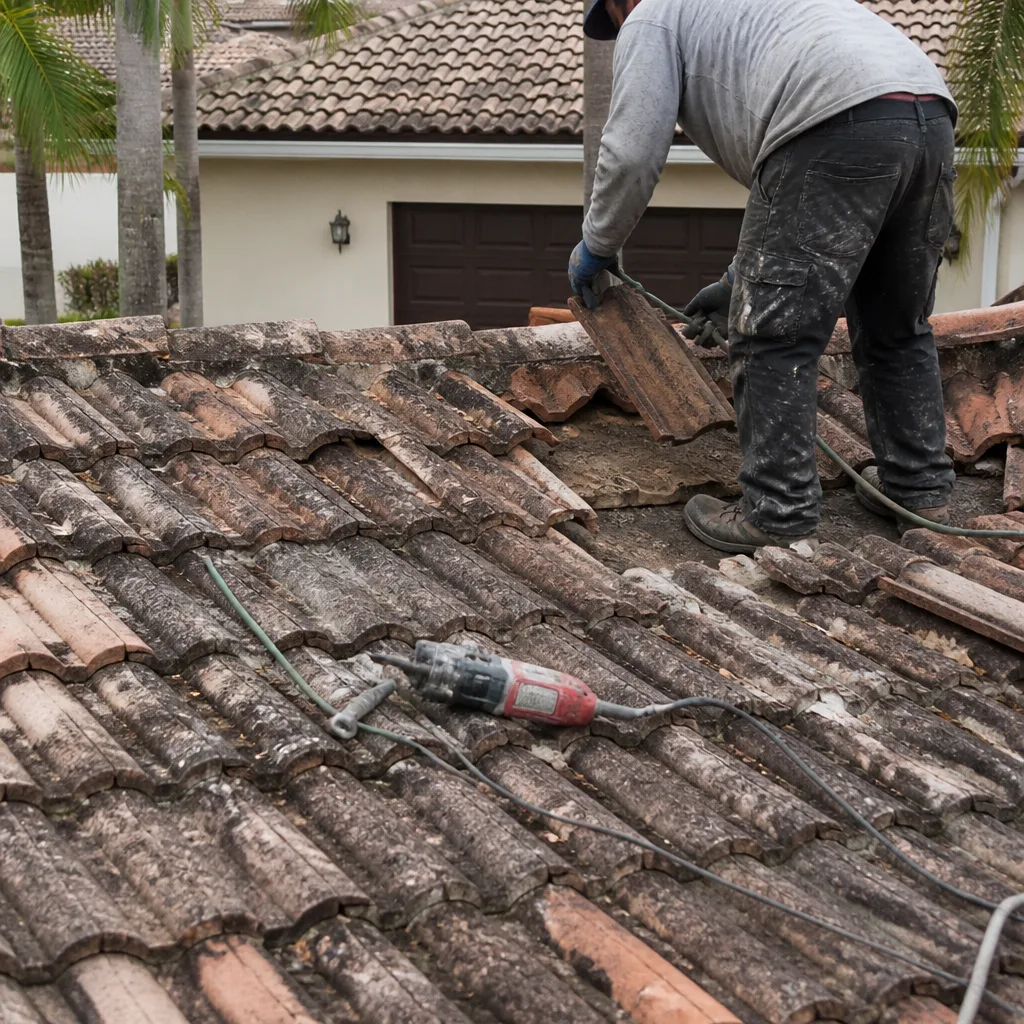 Before
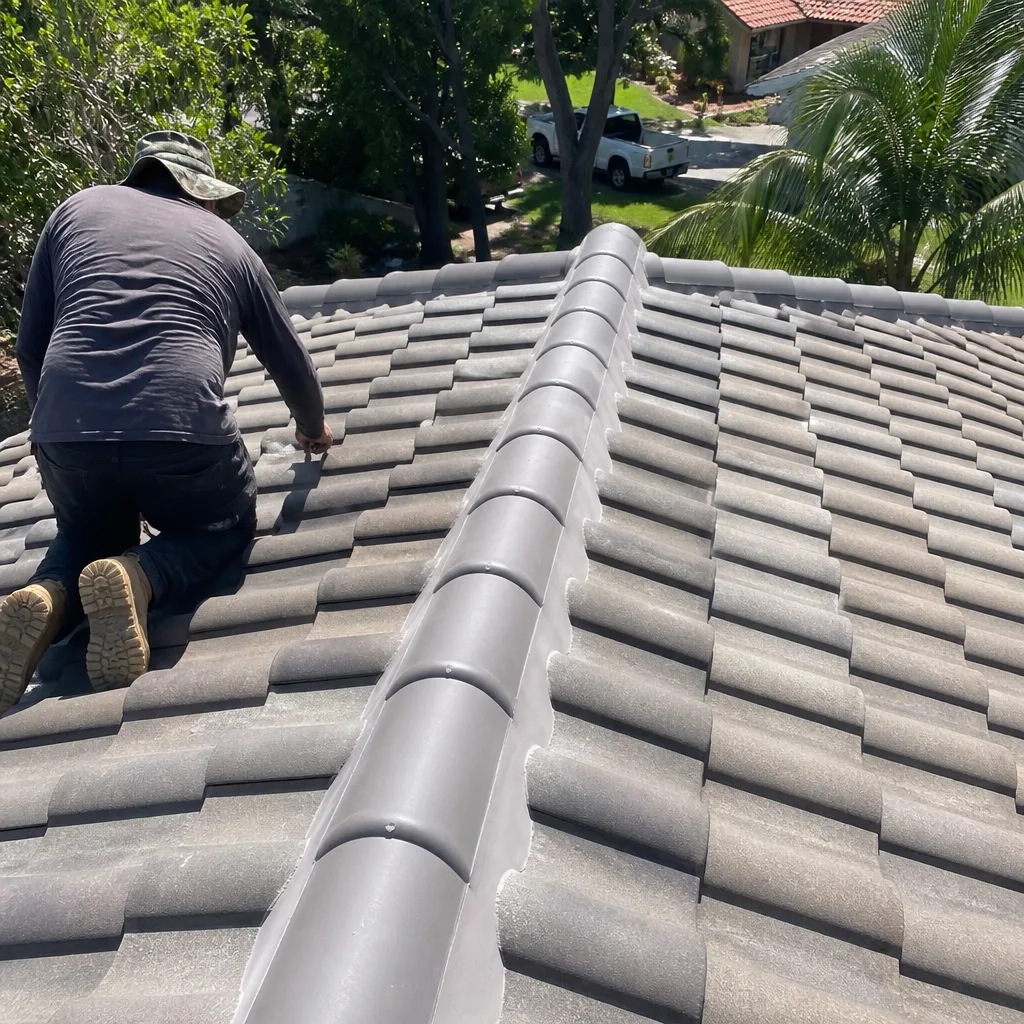 After
After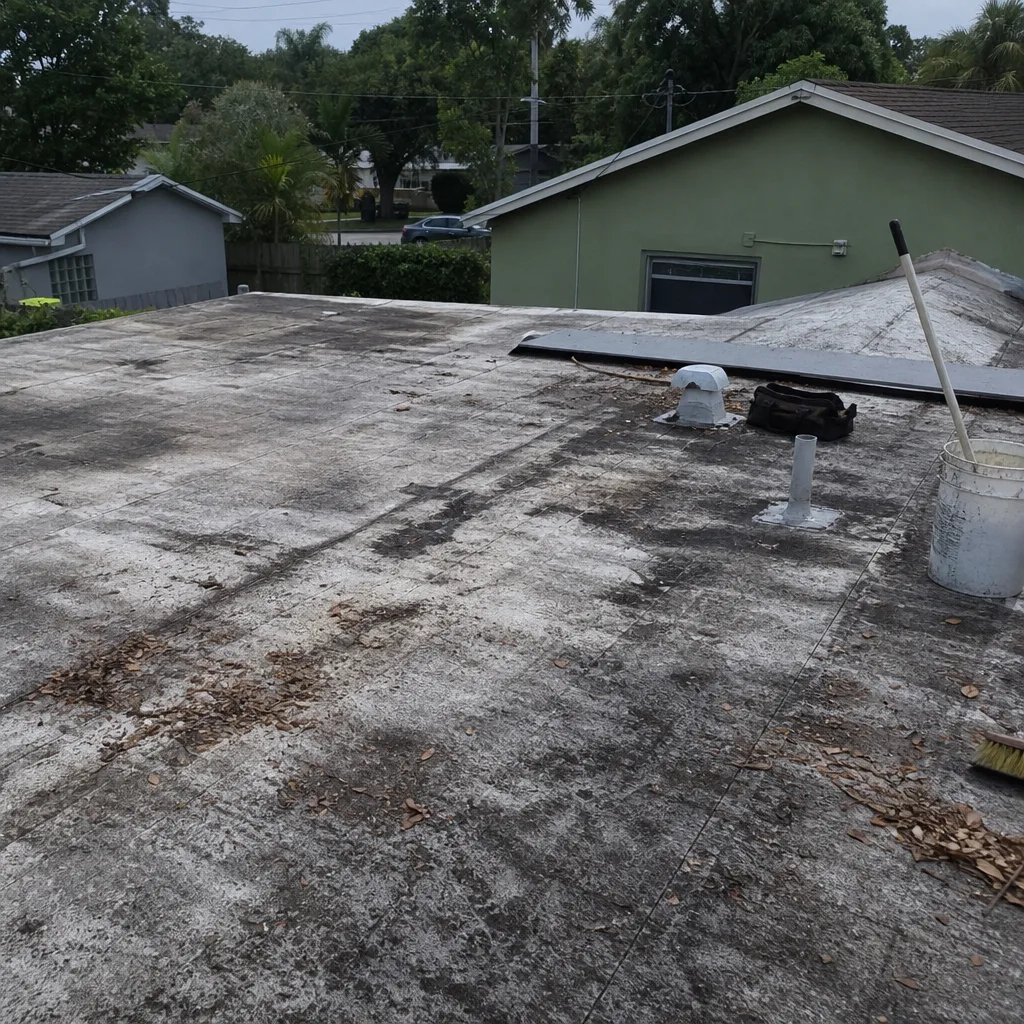 Before
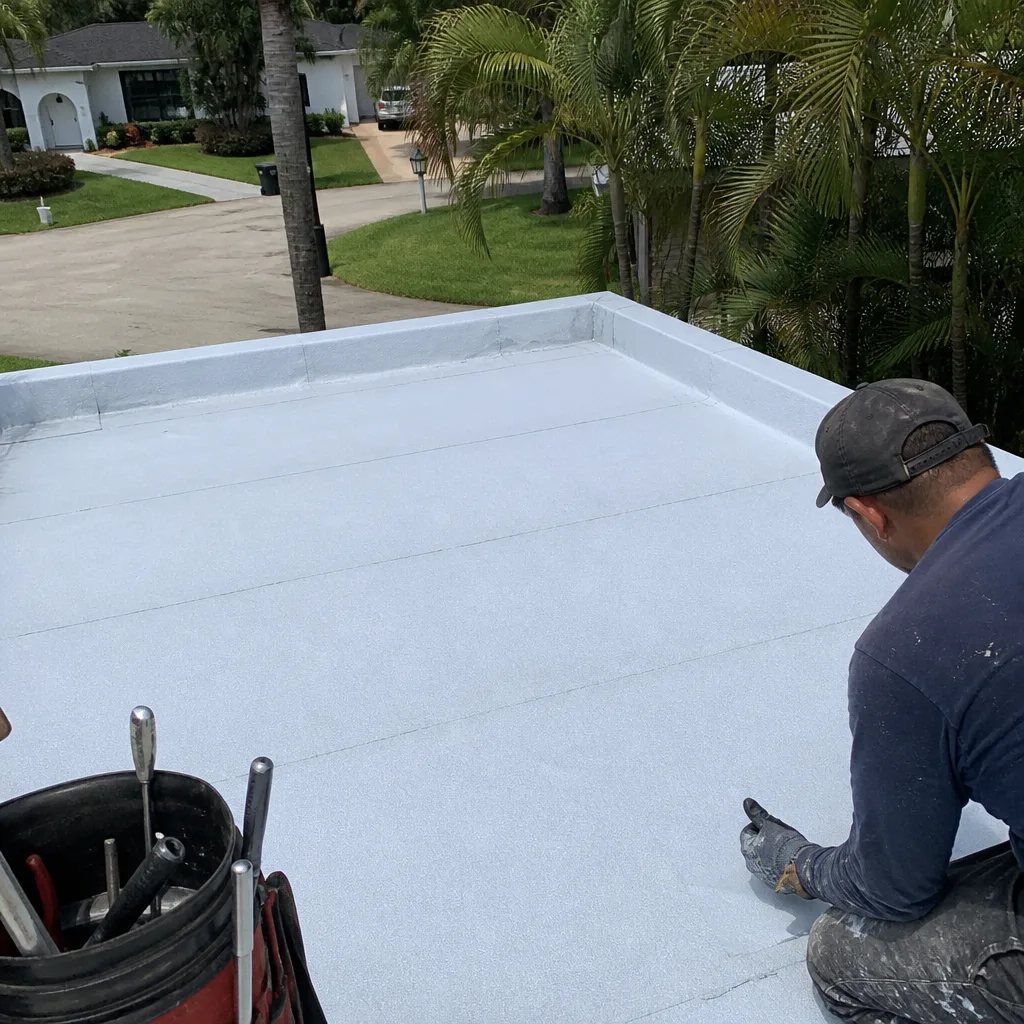 After
After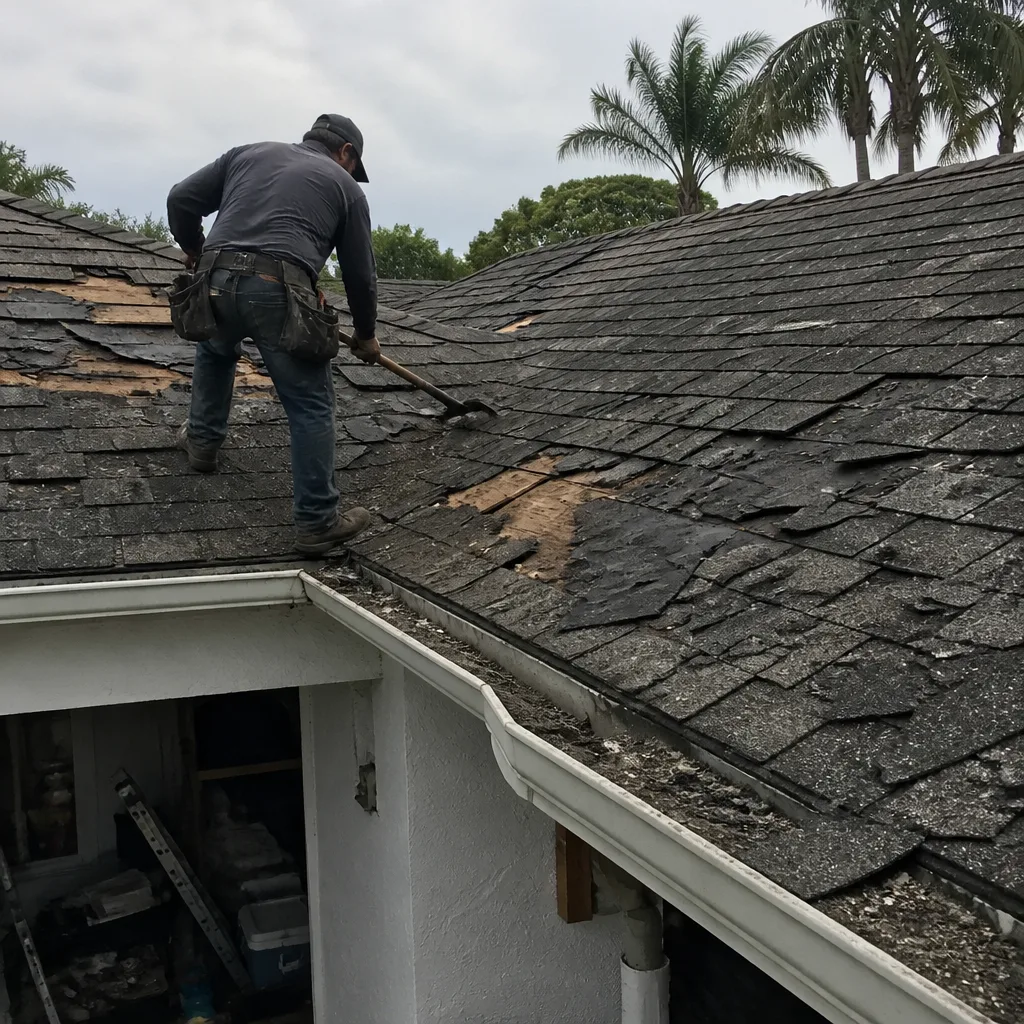 Before
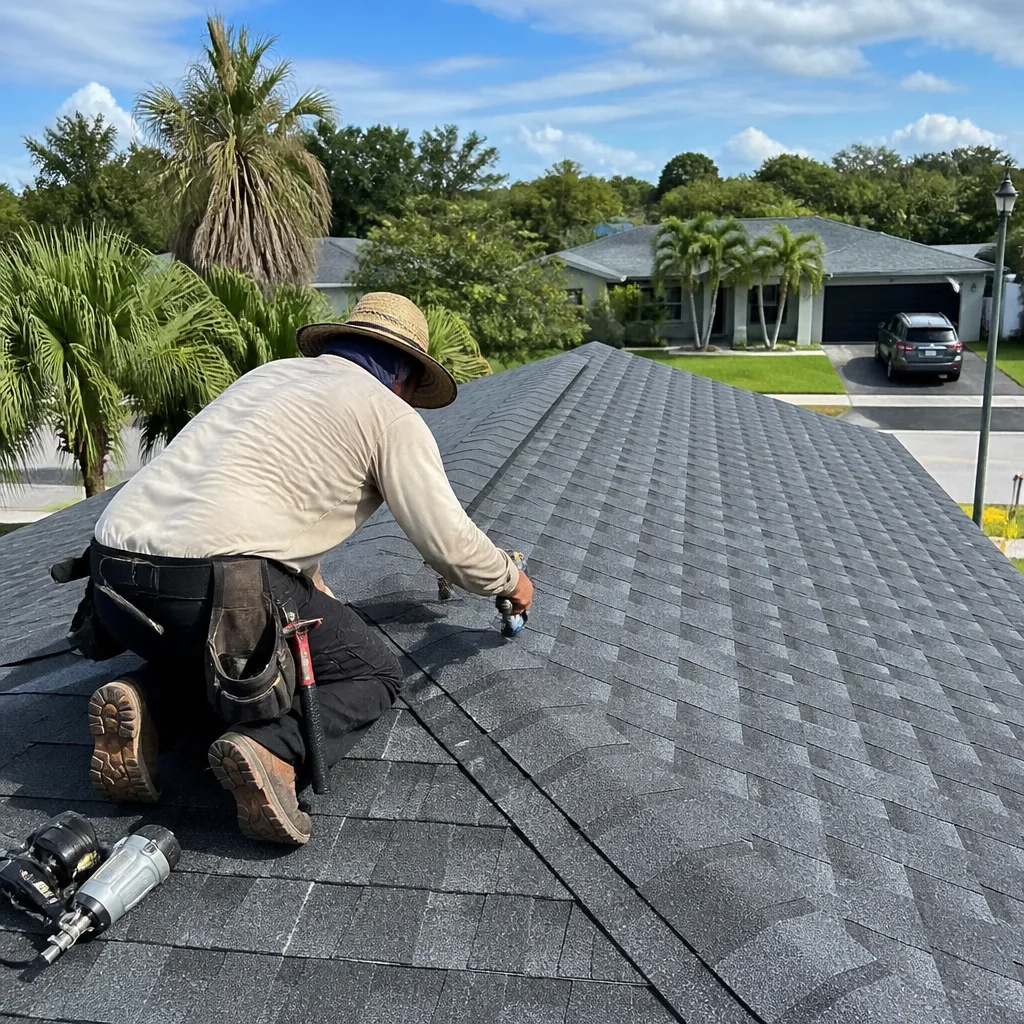 After
After