
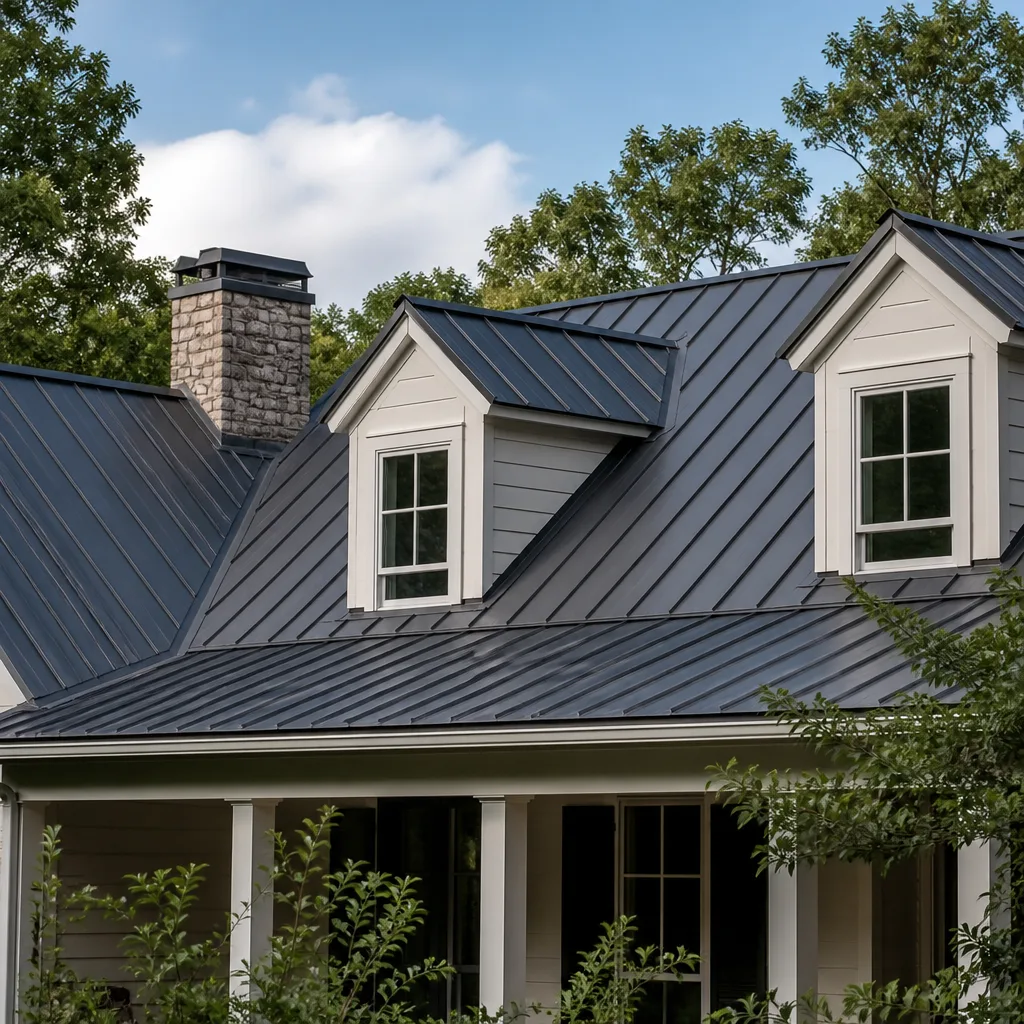
 Metal roofing
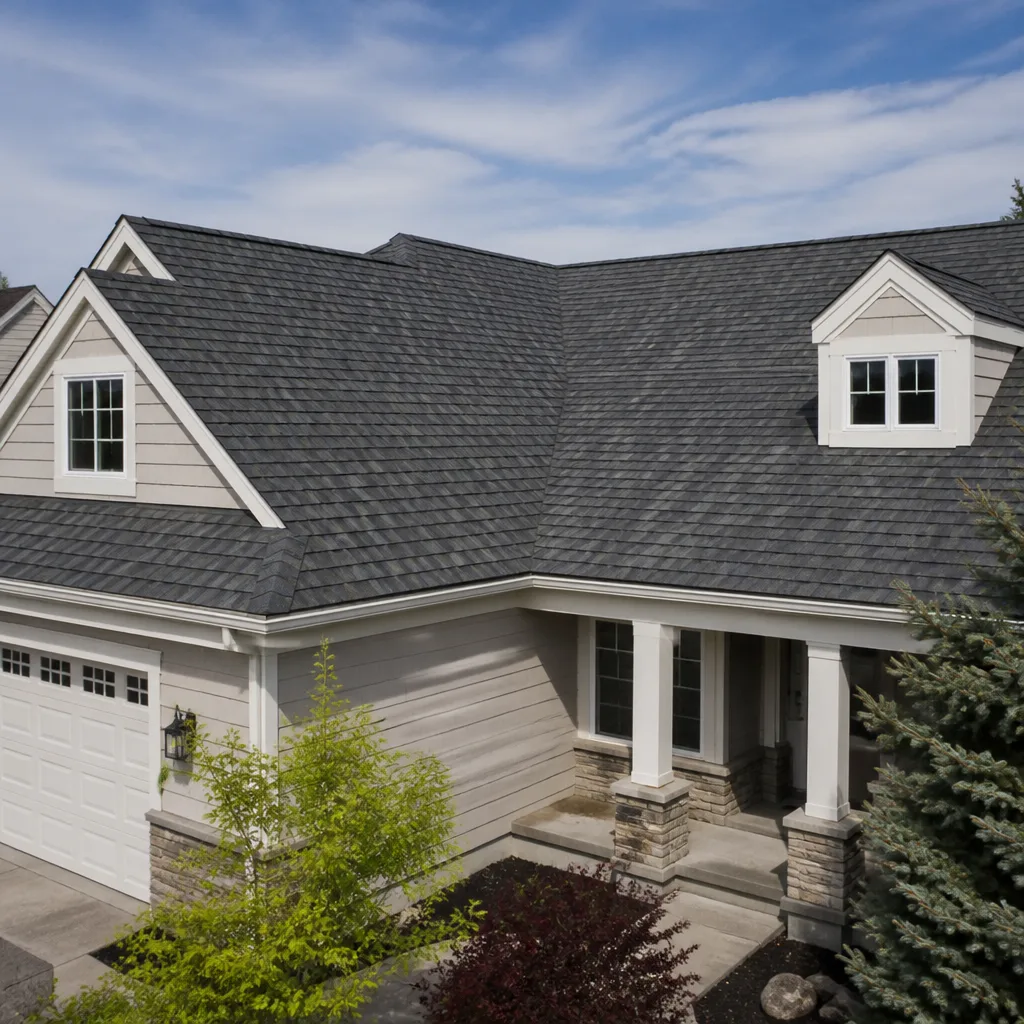 Architectural shingles
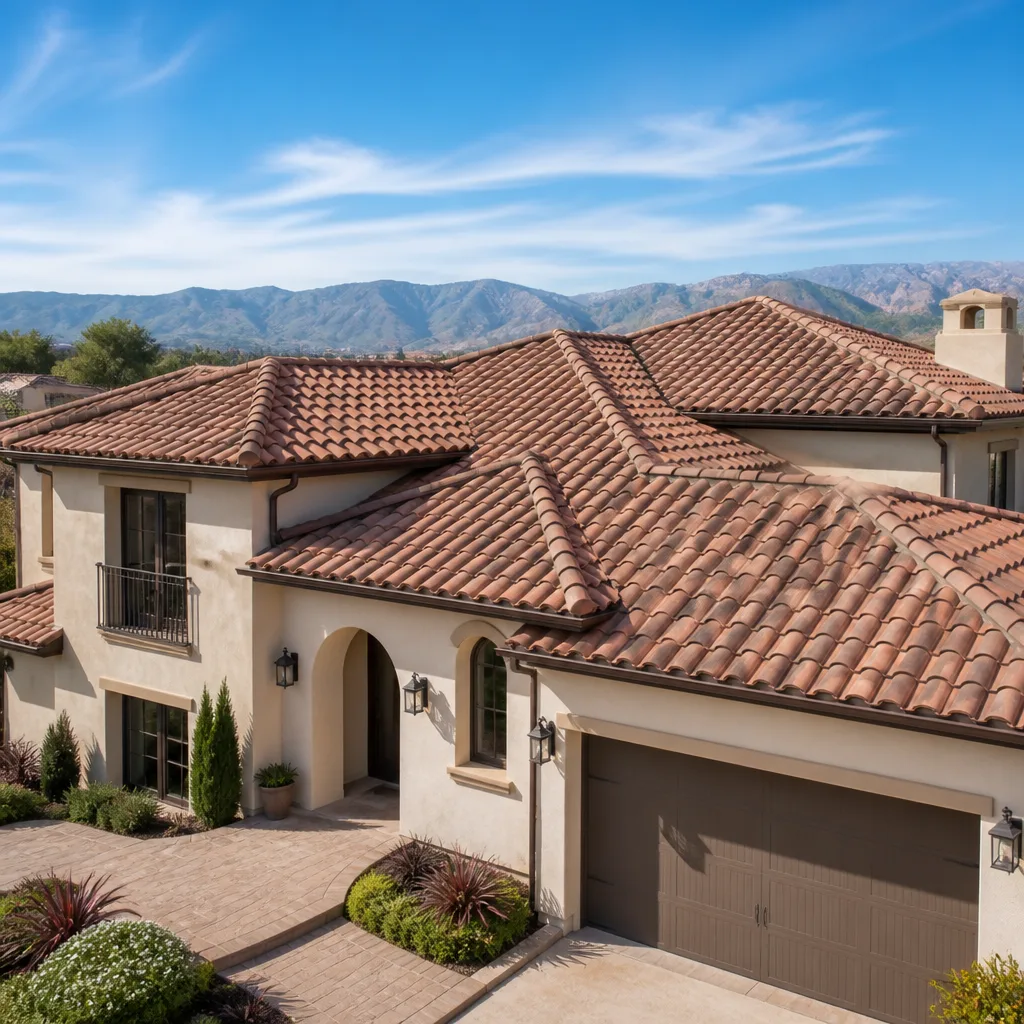 Tile roofing
 GAF
GAF Owens Corning
 Flat & low-slope
Free roof inspection with deck photos before we talk money - GAF and Owens Corning certified installation
CertainTeed Flashing Replacement: The Fort Lauderdale Owner’s Guide
CertainTeed flashing replacement in Fort Lauderdale typically costs between $280 and $650 installed, depending on the location on your roof and the extent of the water damage you’re chasing. We stock CertainTeed-compatible flashing on our trucks and can usually complete the swap the same day we diagnose it. Most homeowners discover flashing failure the hard way: a brown ceiling stain, peeling paint under a dormer, or a drip that shows up only during a hard South Florida storm. The flashing itself is a metal strip, usually aluminum or galvanized steel, that lives where your roof changes direction: chimneys, vent pipes, valleys, sidewalls, and skylights. When it fails, water gets exactly where it should never be, and in Fort Lauderdale’s rainy season, that means interior damage within weeks.
Flashing rarely gets the attention of a shingle or a gutter, but it’s the part that keeps water out of the places shingles can’t cover. We’ll get into what fails, what it costs, and what you can safely check before you call. For now, know this: if you’ve got a leak near a chimney, wall, or roof joint, the flashing is the first thing we look at, and usually the answer.
Key Takeaways
- CertainTeed flashing replacement in Fort Lauderdale runs $280 – $650 installed; most jobs finish same day.
- Flashing fails at bends and seams first; South Florida heat expands the metal, and repeat expansion cracks sealant long before the flashing itself rots through.
- We stock pre-bent CertainTeed-compatible profiles and custom-bend on site for odd geometries.
- Every job includes a written price and a written 365-Day Done Right Promise before we touch your roof.
Styles & brands we work with
Which CertainTeed Models This Applies To
CertainTeed flashing components pair with most of their shingle lines, including Landmark, XT 25, Highland Slate, Presidential Shake, and the Integrity Roof System. If your roof was installed with CertainTeed shingles, the flashing around your pipes, valleys, and sidewalls was, in nearly all cases, a compatible metal profile supplied or specified by your original roofer. Not all flashing is stamped with a CertainTeed part number. A lot of it is generic 26-gauge galvanized or .019-inch aluminum, pre-bent at the supply house. The compatibility question that actually matters is whether the replacement flashing has the right profile, gauge, and bend tolerance for the transition it’s sealing.
You can identify your flashing without climbing onto the roof. Take a photo from the ground or a ladder, and check for a stamped gauge on the exposed metal. Good Fort Lauderdale flashing installations use 26-gauge galvanized steel or .019-inch painted aluminum minimum. Thinner metal, like 28-gauge, is cheaper, and it fails faster and bends too easily during install. On the OEM-versus-aftermarket point for CertainTeed: most flashing replacements use a quality aftermarket equivalent that meets or exceeds the same ASTM spec. The exception is if you’re mid-warranty claim with CertainTeed on a full system, where matching OEM components can matter for documentation. We’ll tell you plainly which applies to your roof, and we don’t sell parts that don’t fit the weather here.
One compatibility gotcha specific to CertainTeed Integrity Roof System jobs: the pipe boots and hardware were designed for their system’s specific underlayment details, so mixing in an off-profile piece can actually trap water behind the flashing. We check that before we order or bend anything. Grant Whitlock, our owner, has pulled enough flashing out of Fort Lauderdale attics to know what a cheap prior repair looks like. Half the time, the flashing was fine; the install was garbage. We fix both.
Signs Your CertainTeed Flashing Replacement Is Failing
- Water stains on ceilings near chimneys, dormers, or room corners. This is the classic signal. Flashing fails at the seam or the sealant, and water follows the roof line to the interior. The leak location on your ceiling is usually not directly under the failure point, which is why having someone trace it properly matters.
- Peeling paint or swollen drywall below a roof-to-wall transition. Sidewall flashing is hidden behind stucco or siding, and when it goes, water wicks down the wall. The exterior looks fine for months; the interior paint starts lifting first.
- Damp or stained wood in the attic, especially after a heavy Fort Lauderdale downpour. We get rain that comes sideways and hard. If the flashing has any gap, the wind-driven rain gets in. Attic inspection after a storm tells you more than any roof walk.
- Visible cracks in the sealant around vent pipes and chimney bases. In our heat, sealant degrades fast. The metal flashing can have years left, but the caulk line breaks down from UV and thermal cycling. That’s a $75 fix if caught, and a ceiling repaint if ignored.
- Loose or lifted flashing that makes a slapping sound in heavy wind. Flashing that’s come unseated from the wall or pipe is no longer watertight, even if it hasn’t blown off. You may hear it before you see it. Either way, it needs to be resecured and resealed.
See the difference
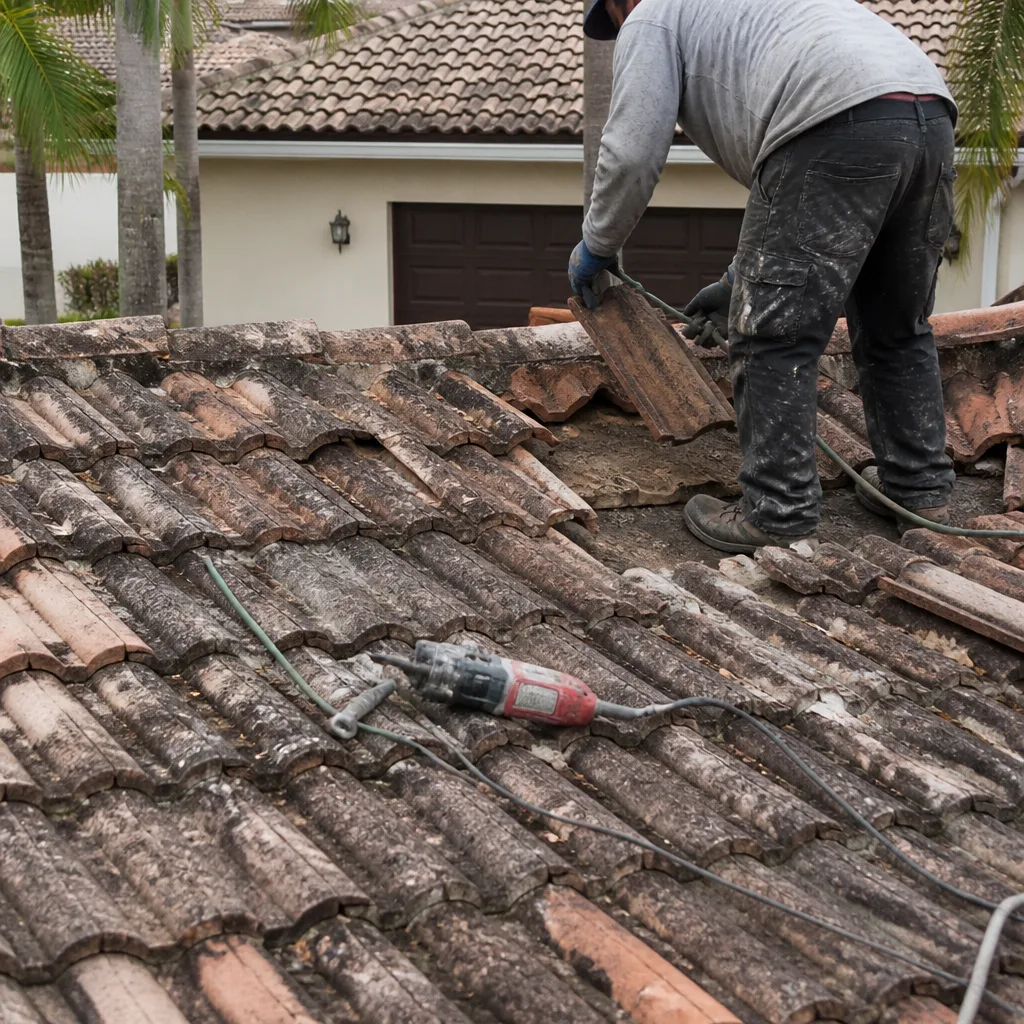 Before
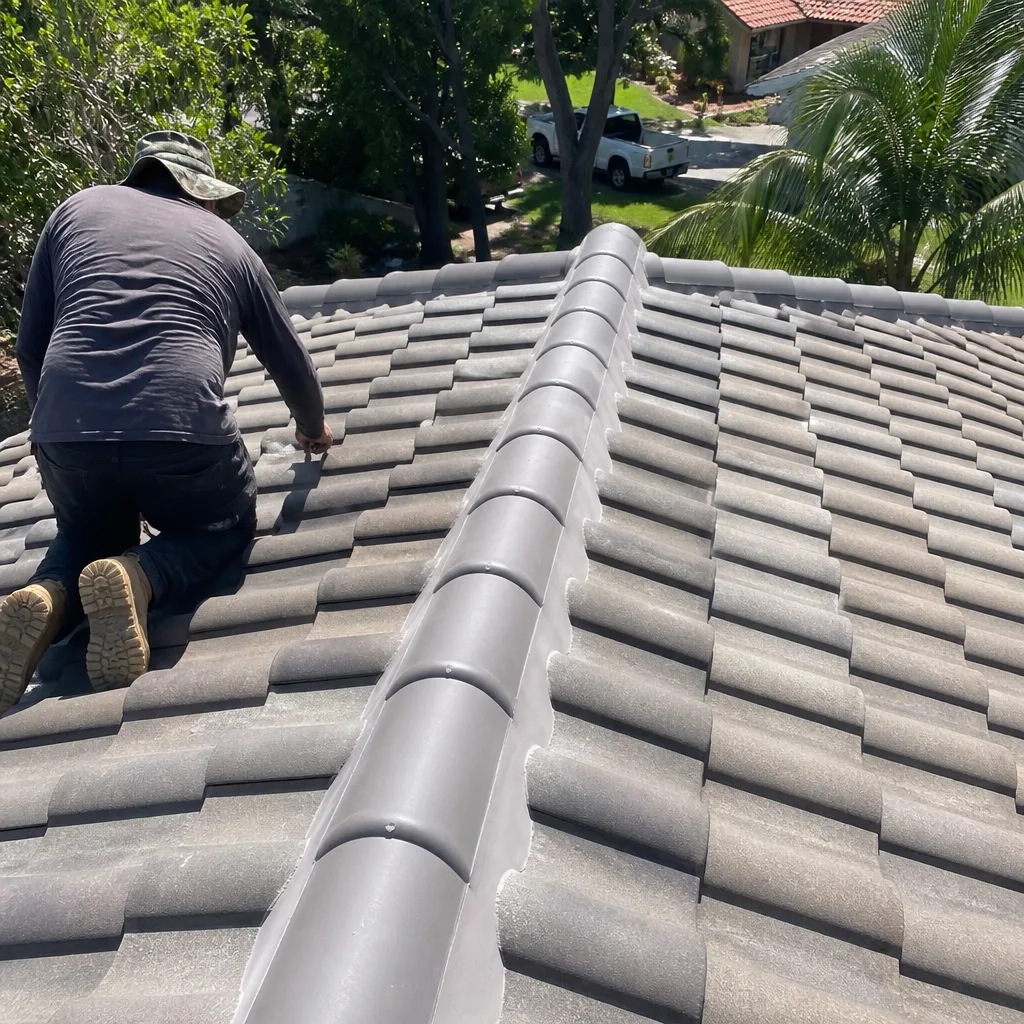 After
After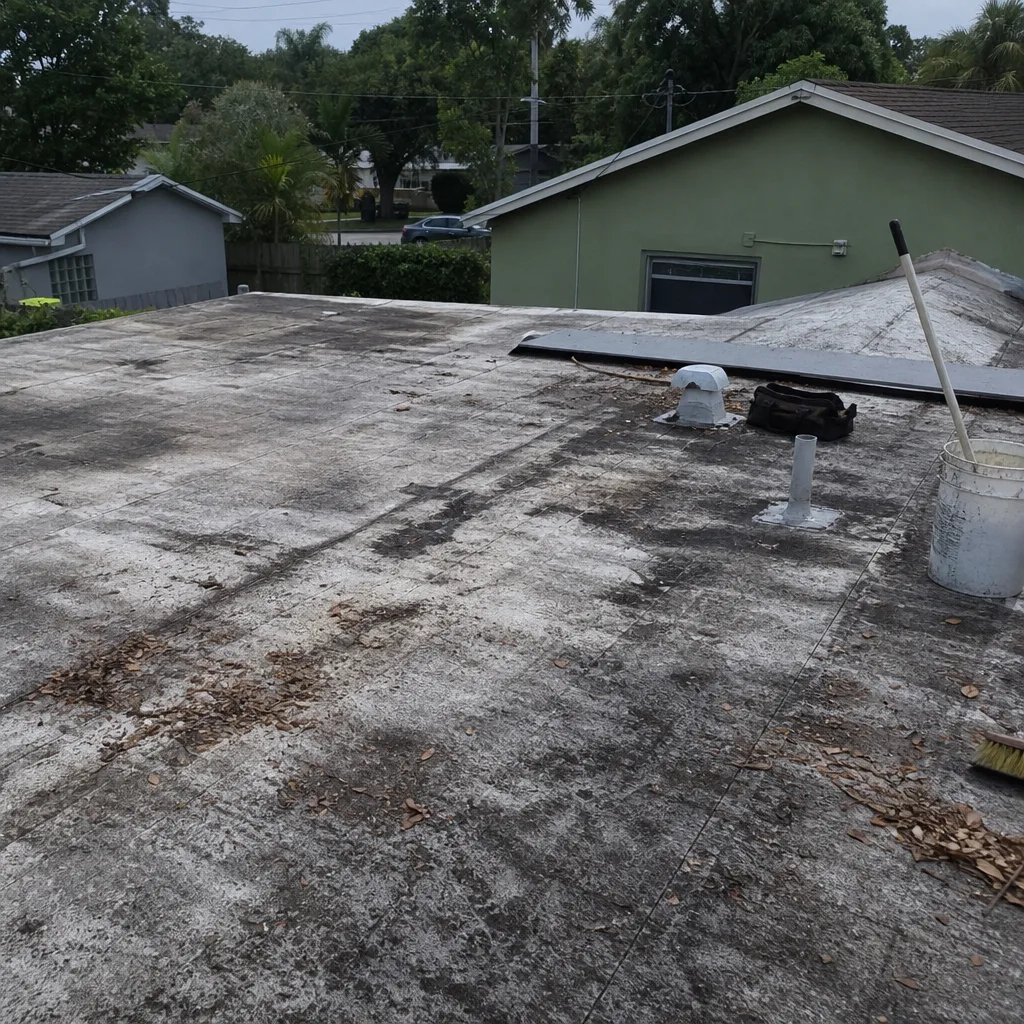 Before
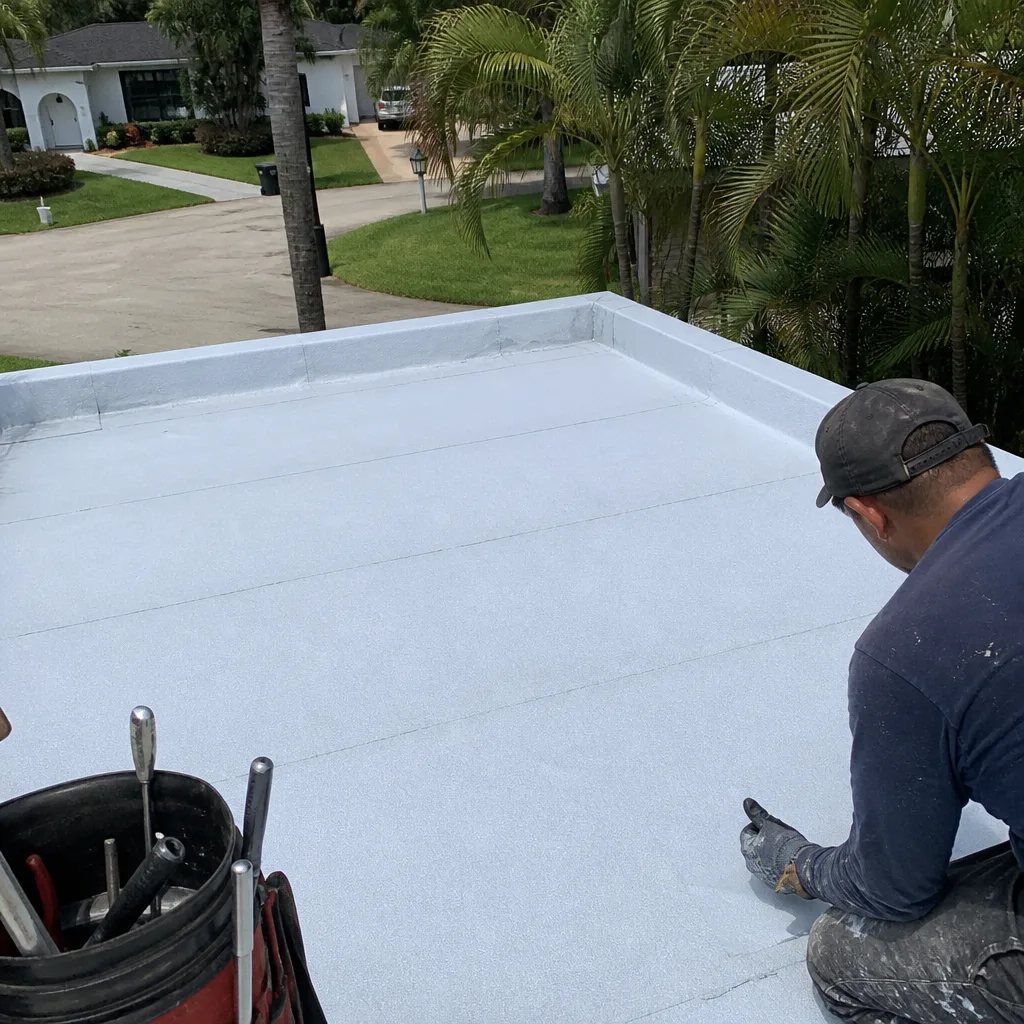 After
After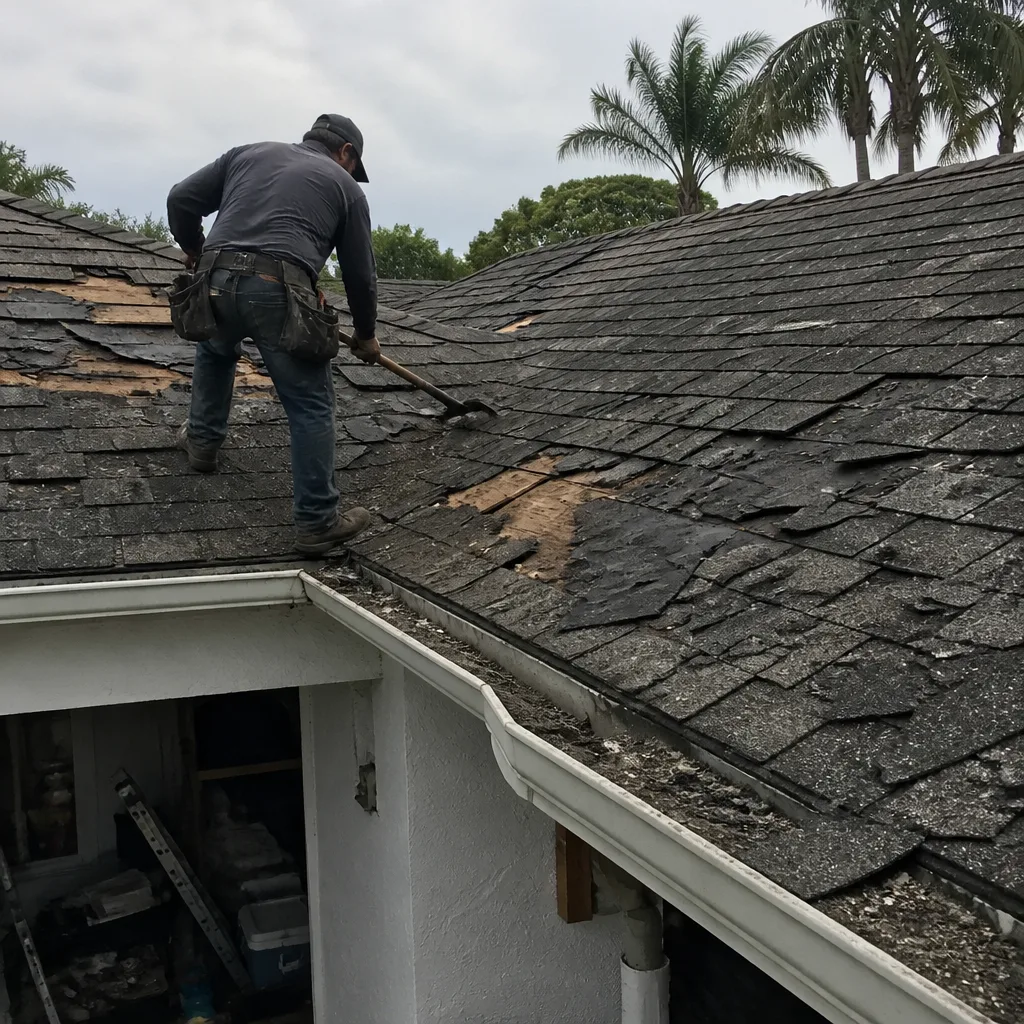 Before
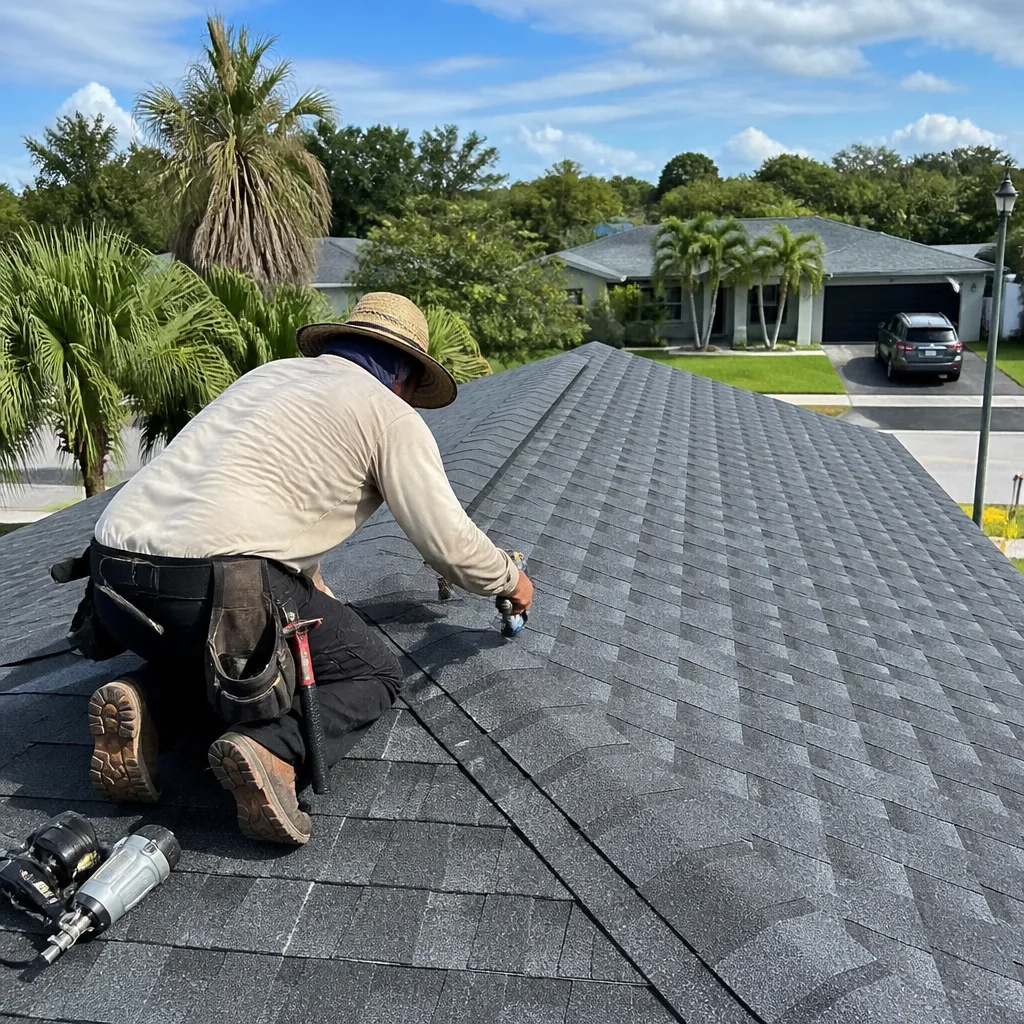 After
AfterReplacement Cost & What’s Included
Here’s what you’re actually paying for in Fort Lauderdale, based on the jobs we see most weeks:
- Pipe boot flashing (vent stack): $185 – $320 installed, including a new CertainTeed-compatible boot and proper sealing.
- Step flashing along a sidewall: $300 – $550 installed, depending on the wall length and whether we need to remove and reset shingles.
- Chimney flashing (base and counter-flashing): $450 – $800 installed. This is the most labor-intensive because we’re cutting into mortar and working around the full chimney perimeter.
- Valley flashing repair or replacement: $260 – $520 installed. Valley metal takes a lot of water in Fort Lauderdale, and getting the lap direction right matters more than the metal itself.
The range comes down to three things: access (steep pitch and height add setup time), how much shingle and underlayment we have to peel back to do the job right, and whether the decking underneath is already rotted from a long-running leak. We price the flashing and the labor separately, in writing, before any work starts. You see the number before we pick up a tool. Every flashing replacement carries our 365-Day Done Right Promise, in writing, for a full year. If the repair fails within a year, we come back and make it right at no charge.
DIY or Call Us?
Flashing replacement on a roof is not a safe DIY job, and I’m going to be straight about it. You’re working at height, often on a wet or mossy surface, and a fall from even a single-story Fort Lauderdale roof changes a weekend project into a hospital visit. The sealant work looks simple on a YouTube video, but getting the lap order wrong (upper piece over lower piece, every single time, no exceptions) is the difference between a dry attic and a slow leak that shows up in August. That said, you can safely do the diagnosis from the ground: take photos, check for visible cracks in the sealant, and note exactly where the interior stains appear. Send those to us, or call (754) 354-1224, and we’ll talk you through what we’re likely looking at before we ever come out.
If the failure is at a pipe boot and the roof pitch is walkable, a very careful homeowner with the right ladder and a fall-awareness mindset can sometimes do their own boot swap. I won’t pretend otherwise. But step flashing and chimney flashing are where we get called after the DIY version leaks. If you’re not certain about the lap order, the fastener type, or the sealant product for Florida humidity, that’s the signal to have us handle it.
FAQs
Galvanized steel or aluminum flashing in Fort Lauderdale lasts 15 to 20 years on average; the real failure point is the sealant, which degrades in Florida UV and humid heat in about 5 to 8 years. The metal lasts longer than the seal; that’s why most flashing problems are reseal jobs, not full replacements.
Yes, if the metal is intact and the failure is limited to cracked or pulled-away sealant, a reseal is usually $150 to $275 and takes under an hour. We’ll tell you if the metal has enough life left or if you’re going to be back up there next season; no point in resealing flashing that’s already rusting through. Call (754) 354-1224 for an honest assessment.
Most flashing replacements in Fort Lauderdale take 2 to 4 hours; a full chimney flashing with counter-flashing work can run 5 to 6 hours including mortar repair. We’ll give you a completed-time window with your written estimate, not a broad guess.
We keep pre-bent CertainTeed-compatible pipe boots, step flashing, and valley profiles in standard sizes on the truck, and we can custom-bend anything odd on site. If you’re mid-warranty and need a matching OEM piece, we can order it, and we’ll tell you the lead time before you commit. We also work daily with GAF and Owens Corning systems, so matching a mixed-brand roof is something we’re used to doing.
Written by Grant Whitlock, Owner, Mercer Roofing Co Fort Lauderdale at Mercer Roofing Co Fort Lauderdale, serving Fort Lauderdale and nearby areas. A good roof shouldn’t be something you think about – that means we did our job right.