
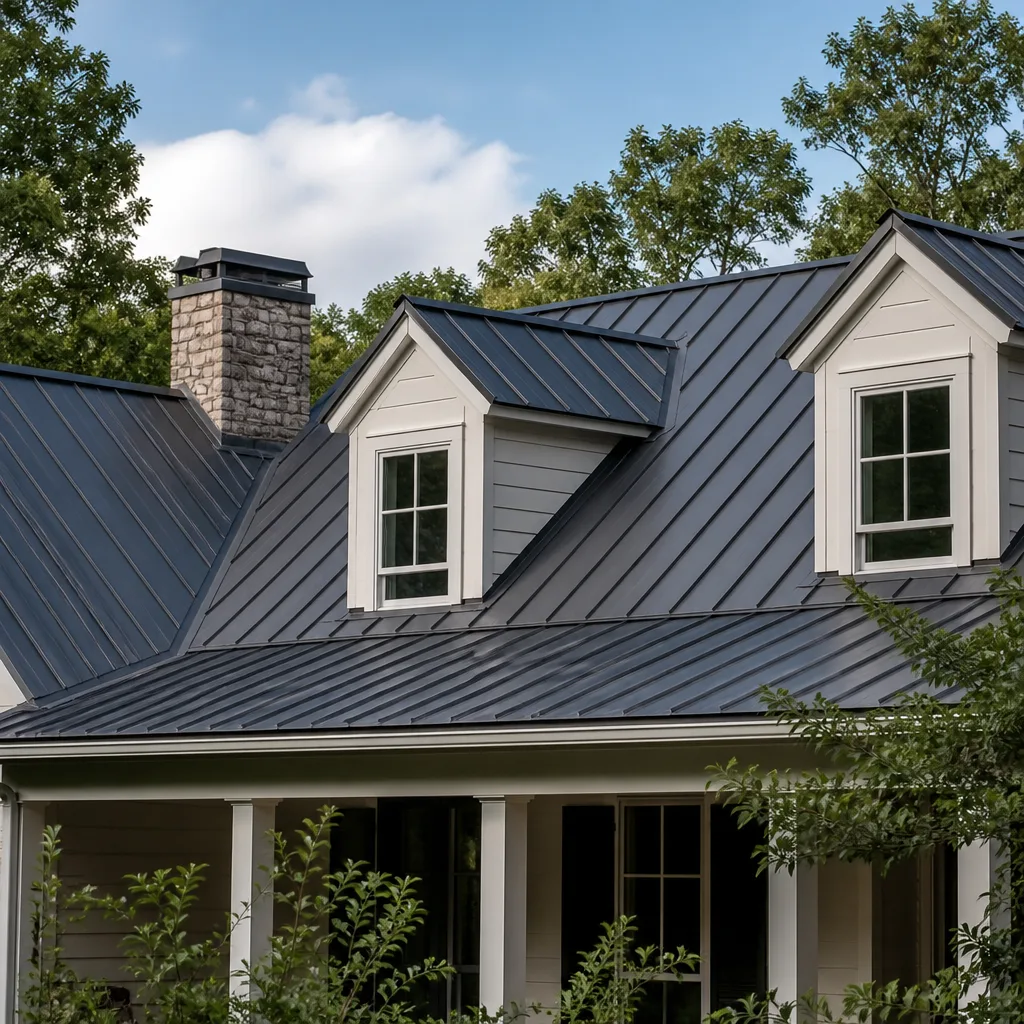
 Metal roofing
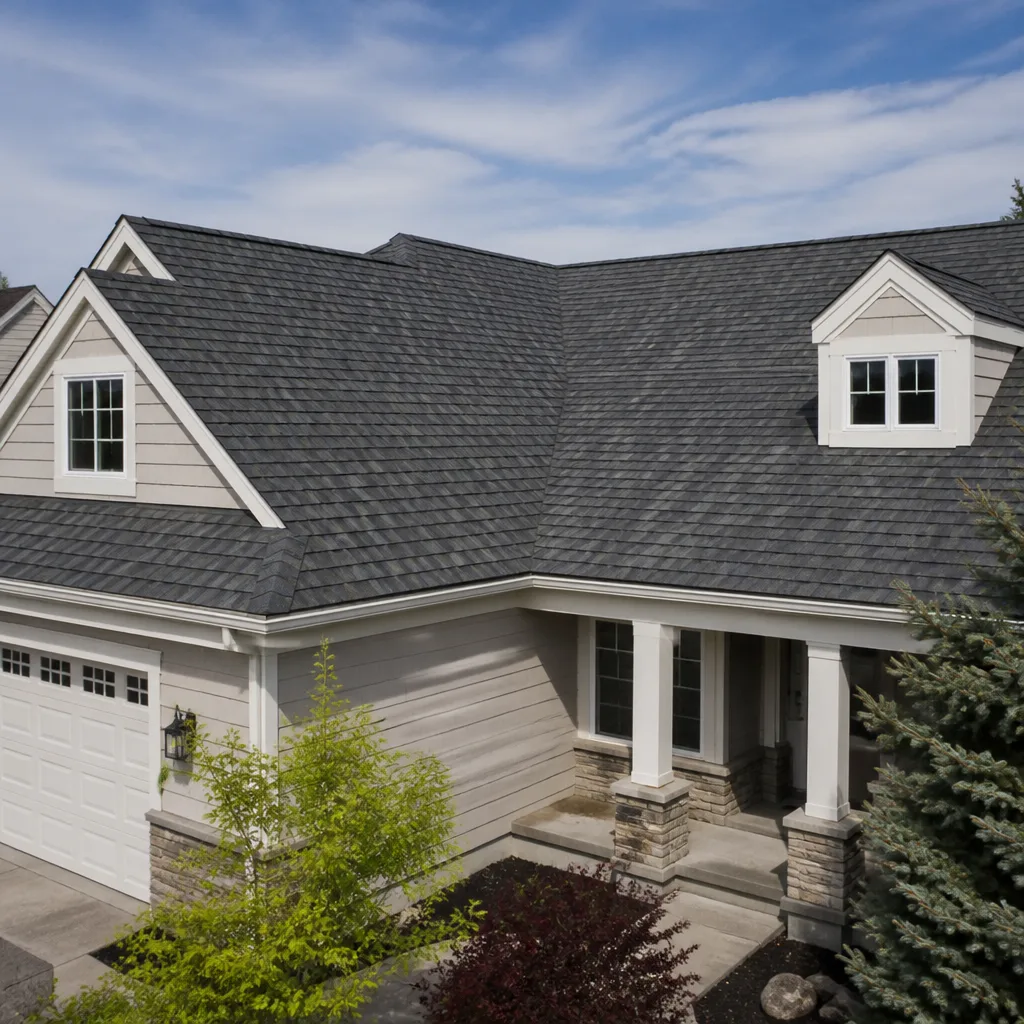 Architectural shingles
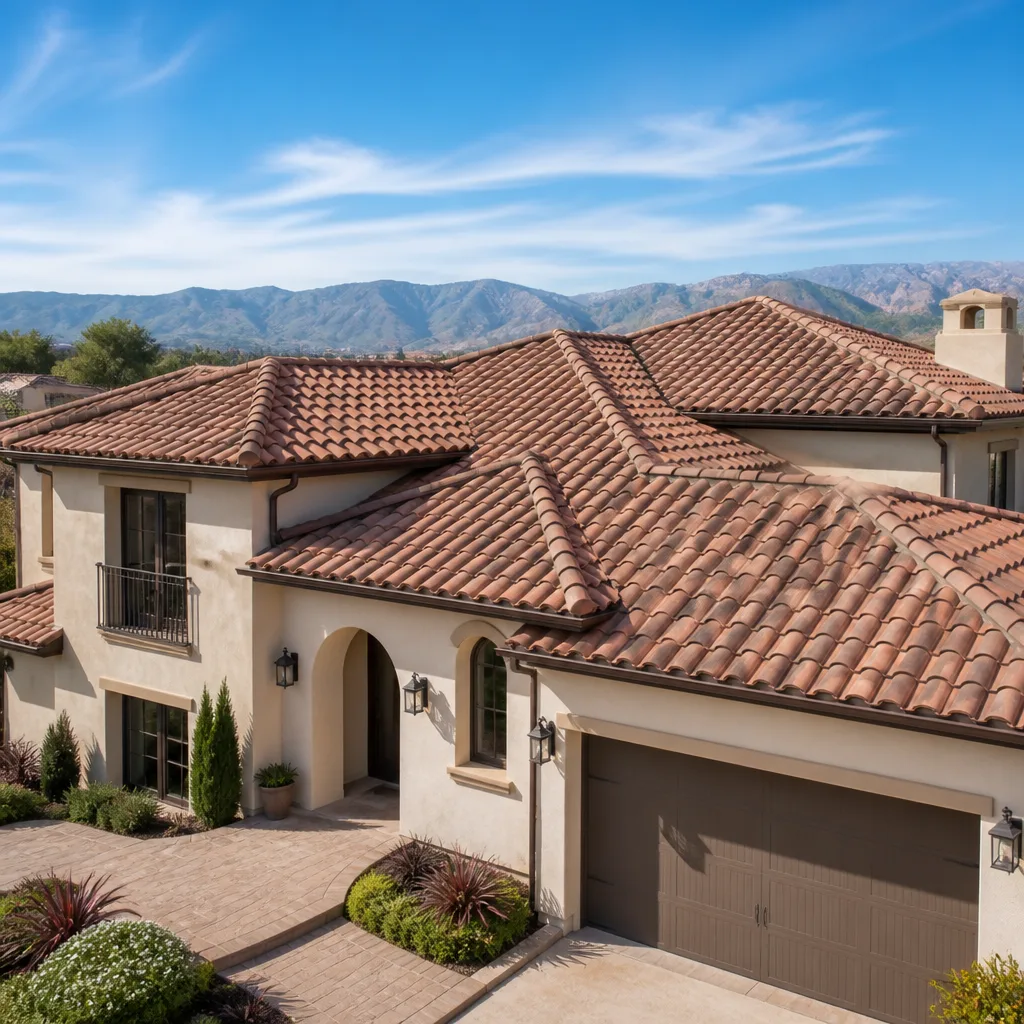 Tile roofing
 GAF
GAF Owens Corning
 Flat & low-slope
Free roof inspection with deck photos before we talk money - GAF and Owens Corning certified installation
Boral Flashing Replacement: The Fort Lauderdale Owner’s Guide
Boral flashing replacement in Fort Lauderdale typically runs $380 to $740 installed, depending on linear footage, roof pitch, and accessibility. We stock Boral-compatible step flashing, apron flashing, and valley flashing on our trucks, so most repairs are completed in a single visit. Homeowners usually discover the problem the slow way: a water stain on the ceiling after a hard South Florida afternoon downpour, then a climb into the attic that shows dampness tracing back to the roofline.
Flashing is thin metal, usually aluminum or galvanized steel, shaped to direct water away from roof intersections, chimneys, skylights, and walls. Boral tile and stone-coated steel systems depend on flashing that matches the profile of the roofing material. When flashing fails, water gets under the roofing material and follows the roof deck until it finds a seam to drip through. By then, the damage has usually been happening for weeks or months. The good news: flashing replacement is one of the most straightforward and cost-effective roof repairs we handle.
Key Takeaways:
- Installed Boral flashing replacement: $380 to $740 for typical Fort Lauderdale homes
- We stock Boral-compatible flashing profiles on the truck, so most jobs finish same-day
- Every replacement includes our written 365-Day Done Right Promise
- Flashing is the most common failure point on Boral tile roofs in Broward County’s heat-and-rain cycle
Which Boral Models This Applies To
Boral’s roofing lineup includes concrete and clay tile systems, as well as stone-coated steel panels, and each uses different flashing profiles. The tile lines, including the SlimLine and Barcelona profiles we see most often in Fort Lauderdale neighborhoods, use step flashing with a longer vertical leg to accommodate the tile’s thickness and raised profile. Stone-coated steel systems use a lower-profile flashing that interlocks with the panel ribs. You cannot substitute one for the other and expect it to hold through the next hurricane season.
If you have the original paperwork from your roof install, the flashing part numbers will be listed alongside the tile or panel specifications. Without paperwork, a quick measurement works: Boral tile flashing typically has a vertical riser of three to four inches, longer than standard asphalt shingle flashing. The gauge is heavier too, usually 24-gauge galvanized steel or .032-inch aluminum, because Boral’s tile profile channels more water at the eaves. We match by profile and gauge, not just by brand name, which is where a lot of generic flashing jobs go wrong.
One compatibility note we run into regularly: Boral roof systems installed before 2015 often used a now-discontinued valley profile. When those fail, a universal valley flashing can work, but only if we field-form it to match the existing tile reveal. This is not a parts-store swap. It requires a roofing tech who has bent and cut flashing on actual Boral roofs in Florida conditions. As an independent provider we are not affiliated with Boral directly, but we install and repair their systems alongside other quality manufacturers like GAF, Owens Corning, and CertainTeed.
Styles & brands we work with
Signs Your Boral Flashing Replacement Is Failing
- Water stains on ceilings or upper walls after rain. This is the most common first sign. Flashing failure lets water enter at roof intersections, and the water follows the deck until gravity finds a ceiling joist. The stain may appear several feet away from the actual leak.
- Visible rust or corrosion on exposed flashing. In Fort Lauderdale’s salt air and humidity, galvanized flashing corrodes faster than it does inland. If you see orange streaks or pitting on the flashing at chimneys or walls, the protective coating is gone and the metal is thinning underneath.
- Lifted or curling flashing edges. Decades of thermal expansion and contraction, plus wind from summer storms, eventually loosen flashing fasteners. Once a corner lifts, wind-driven rain gets behind it and the failure accelerates.
- Granules or tile fragments in gutters near roof intersections. When flashing fails at a valley or wall, water pools and accelerates wear on the surrounding roofing material. If you’re cleaning out gutters and noticing unusual debris concentration near one intersection, that’s a clue.
- Damp or musty attic smell, especially after the wet season. Slow flashing leaks don’t always show up as visible stains right away. Moisture collects in insulation and decking, and the smell is often the first thing you notice. By the time you smell it, the leak has been active for a while.
See the difference
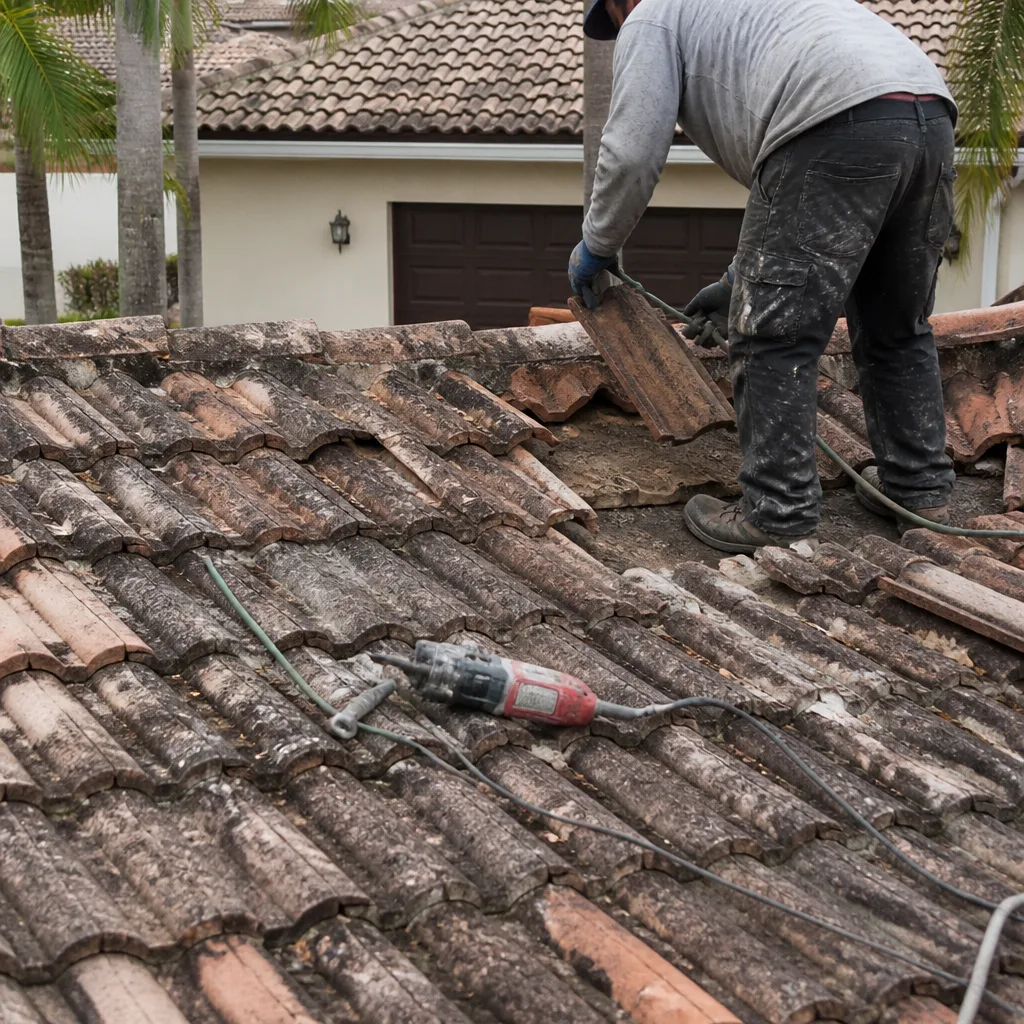 Before
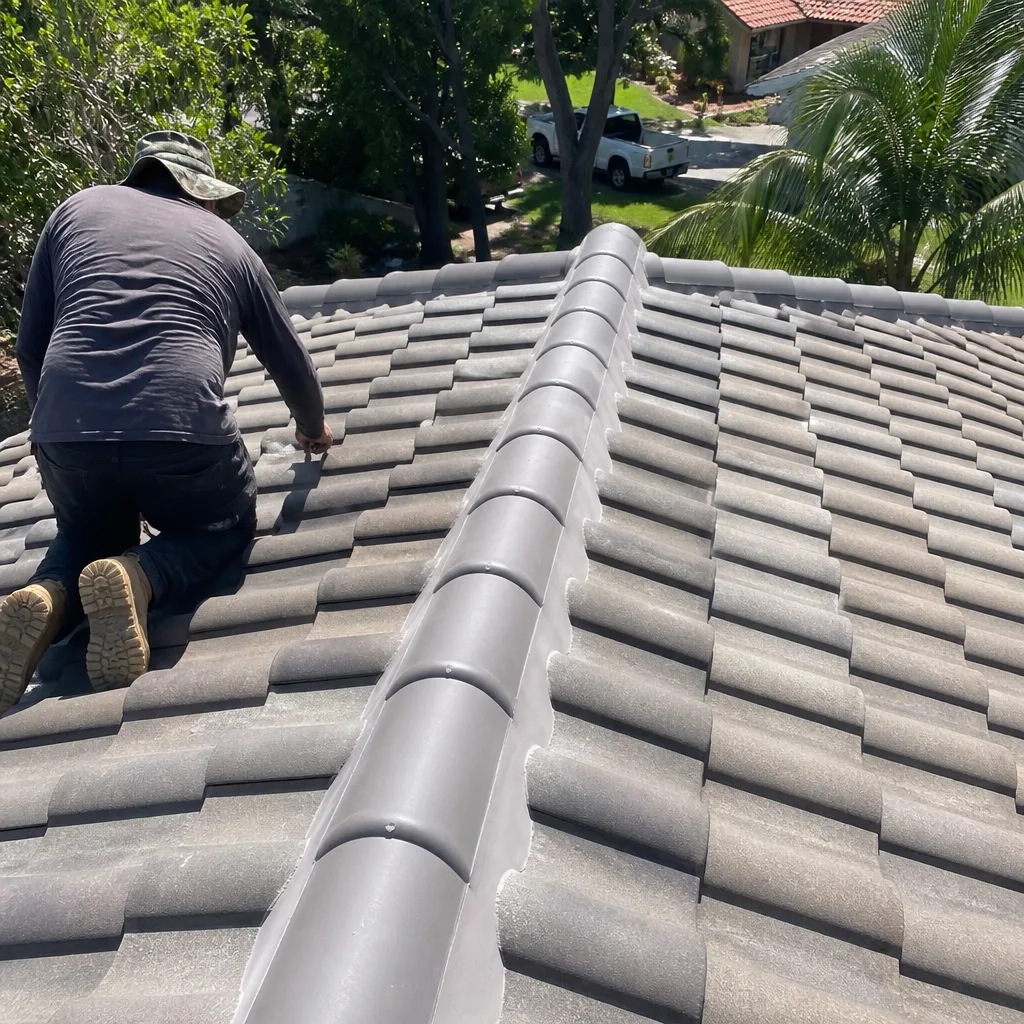 After
After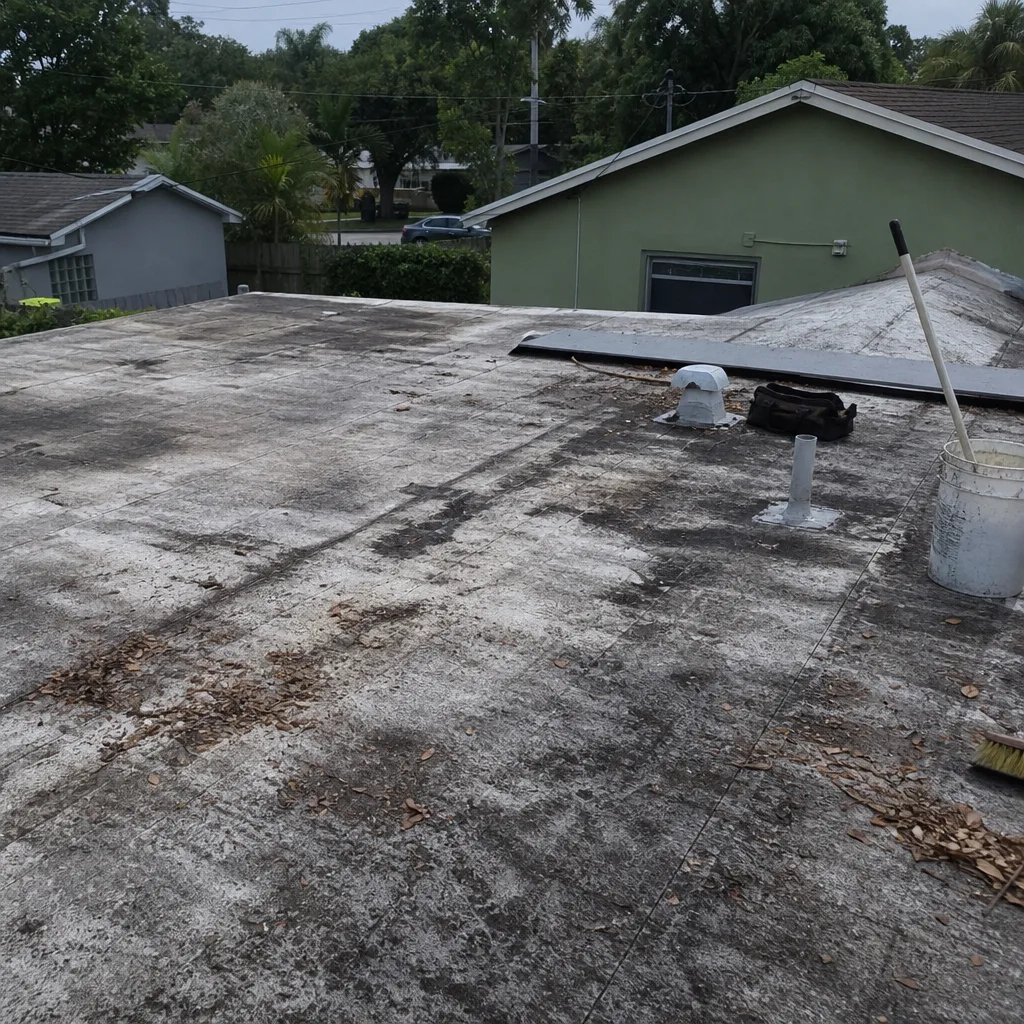 Before
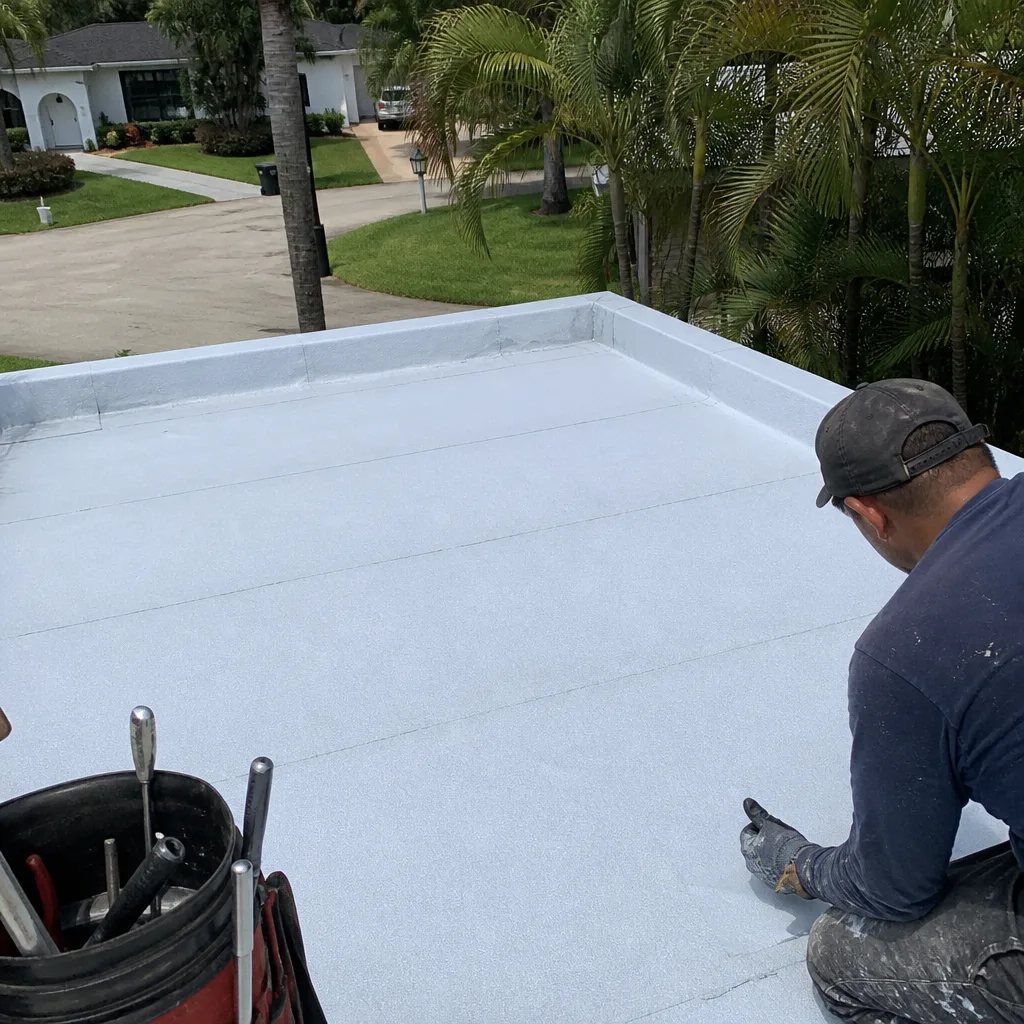 After
After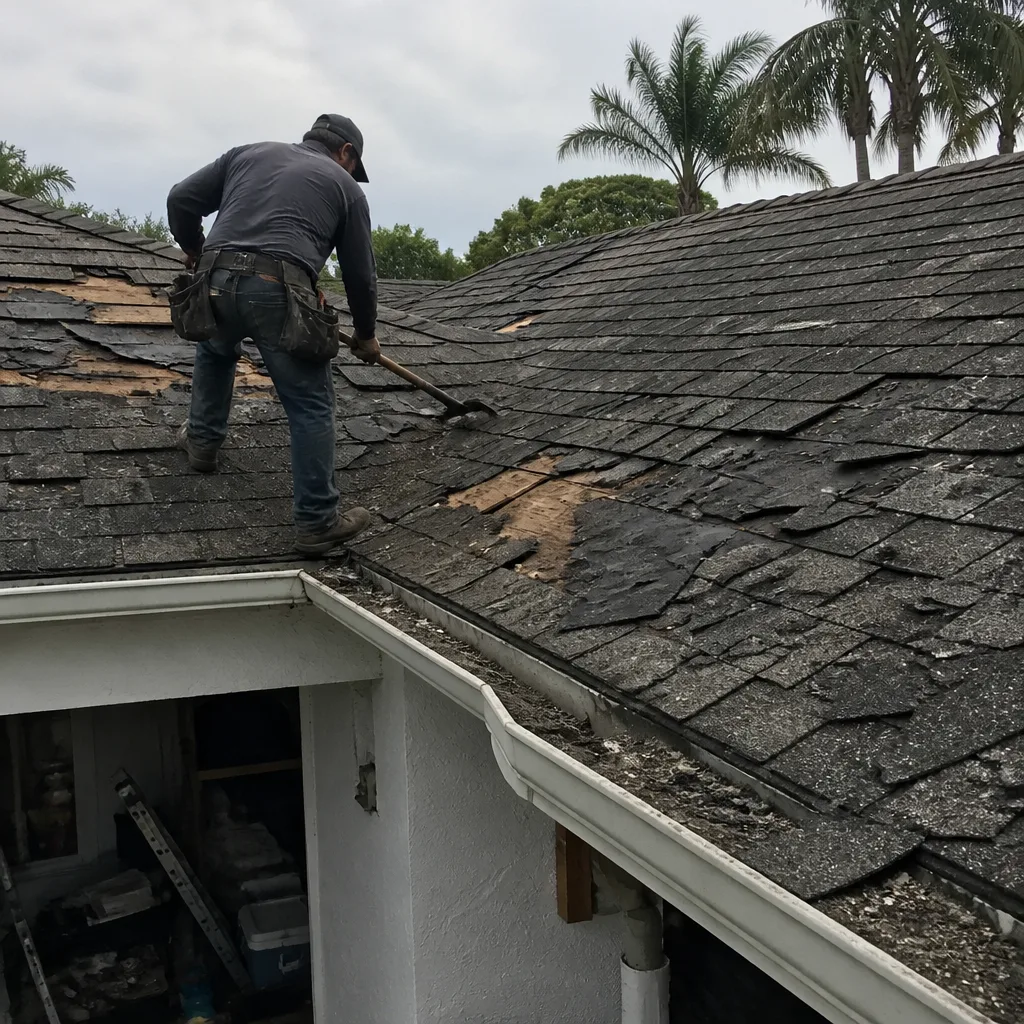 Before
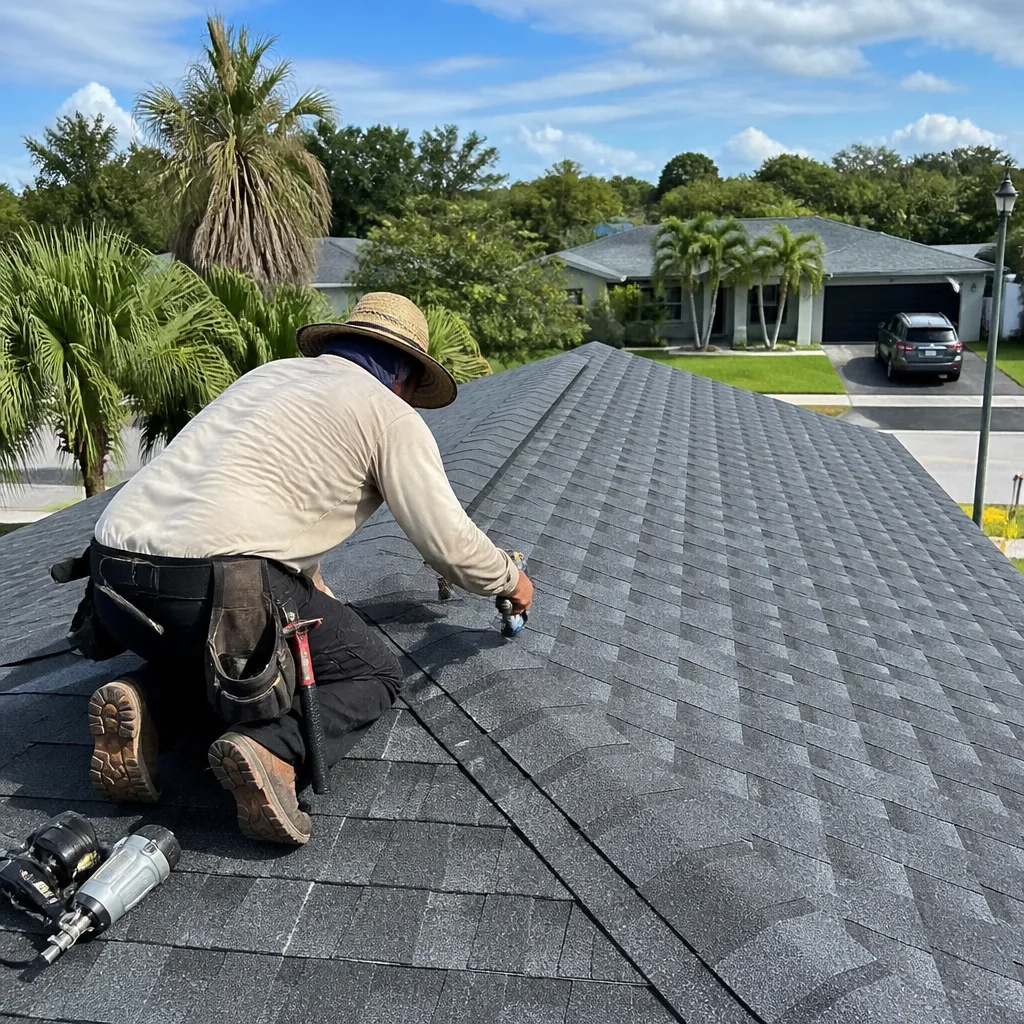 After
AfterReplacement Cost & What’s Included
In Fort Lauderdale, expect to pay $380 to $740 for a typical Boral flashing replacement on a single-story home. The range covers step flashing replacement at a wall intersection up to a full valley flashing replacement with new underlayment at the seam. Two-story homes, steep pitches above 7/12, and any work requiring scaffolding push toward the top of the range or slightly beyond.
| Scope | Typical Fort Lauderdale Installed Price |
|---|---|
| Replace 10 linear feet of step flashing | $380 – $520 |
| Replace valley flashing (up to 16 ft) | $520 – $740 |
| Chimney or skylight flashing replacement | $520 – $840 |
| Add underlayment repair at failure point | $180 – $340 |
| Full perimeter flashing replacement (avg single-story home) | $1,400 – $2,600 |
Every price above includes removal of the old flashing, new Boral-compatible flashing matched to your profile, new fasteners and sealant, and haul-away of debris. The written price you receive before we start is the price you pay. No change orders, no surprises. And every flashing replacement carries our 365-Day Done Right Promise: if the repair fails within a year, we come back and make it right at no charge.
DIY or Call Us?
Walking your roofline to visually inspect flashing from the ground or from a ladder is something any homeowner can do safely. Look for lifted edges, rust, and gaps where flashing meets the wall or tile. If you see caulk that has cracked or pulled away, that’s a sign the flashing underneath may have shifted. You can also check the attic with a flashlight after a heavy rain to trace any moisture back to its entry point.
What you should not do is get on the roof and attempt a flashing replacement yourself. Boral tile is heavy and can crack underfoot if you don’t know where to step. Working at the roofline with metal snips while balancing on a pitch is how people get seriously hurt. We see it every year, including a homeowner in Victoria Park last spring who slipped while trying to reseal a chimney flashing and broke two ribs. Flashing installation also has to be layered correctly, shingle-style, so water always moves down and out. Get the layering wrong and you’ve created a leak that’s worse than the one you started with.
Call (754) 354-1224 and we’ll send a background-checked, photo-badged technician to inspect and quote the job. You’ll know the name and see the face before they knock, and you’ll have a written price in hand before any work begins.
FAQs
Galvanized steel flashing on a Boral roof in Fort Lauderdale typically lasts 15 to 25 years, while aluminum flashing lasts 20 to 30 years. Coastal salt air shortens the galvanized steel lifespan toward the bottom of that range. Call (754) 354-1224 to have us inspect yours, and we’ll tell you honestly how much life is left.
Small sealant failures can sometimes be re-caulked, but once flashing has rusted, lifted, or split, it needs replacement. Patching over corroded flashing with sealant is a temporary fix that fails in the next heavy rain. If we can repair it safely and honestly, we’ll say so and quote it that way.
Most step flashing replacements are completed in two to four hours. A full valley or chimney flashing replacement typically runs four to six hours. We’ll give you the time estimate in writing before we start.
We stock the most common Boral-compatible flashing profiles on our trucks, including standard step, apron, and valley profiles in 24-gauge galvanized steel and .032-inch aluminum. Rare profiles or custom color matches may require a one-to-two-day order, and we’ll tell you that up front. Call (754) 354-1224 for an exact quote; estimates are free.
Written by Grant Whitlock, Owner, Mercer Roofing Co Fort Lauderdale at Mercer Roofing Co Fort Lauderdale, serving Fort Lauderdale and nearby areas.